












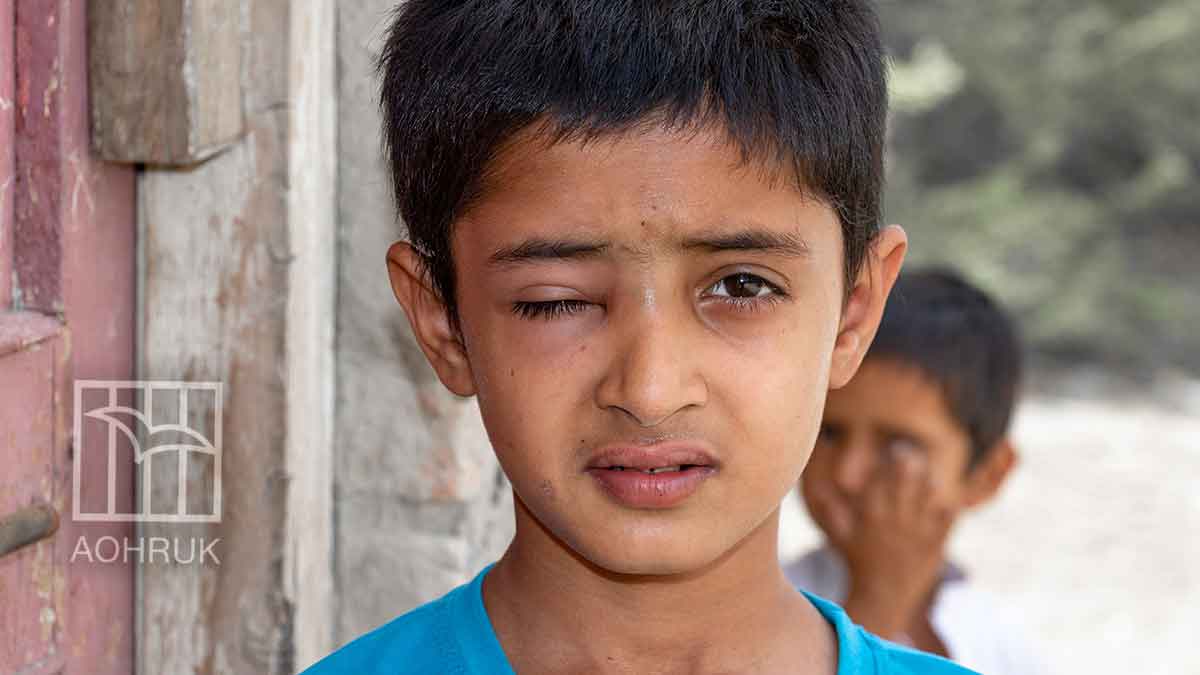
The Gaza Strip is facing one of the gravest health and human rights crises in its modern history, with unprecedented numbers of eye injuries recorded among Palestinian civilians during the war. This is occurring amid a sustained blockade that prevents the entry of specialised medical equipment and treatments, turning thousands of otherwise treatable injuries into permanent disabilities.
Health data indicate that since the start of the war on 7 October 2023, the number of injured has exceeded 171,000, with approximately 11 per cent suffering eye injuries — nearly 17,000 cases — including a high proportion of children. This was confirmed in media statements by Dr Abdul Salam Sabah, Consultant Ophthalmologist and Director of the Ministry of Health’s Eye Hospital in Gaza.
The medical reality in Gaza is incapable of coping with this volume of severe injuries. Health facilities are recording cases of irreversible blindness on an almost daily basis, as they are unable to perform urgent surgical interventions due to the lack of precision equipment and the continued ban on the entry of essential medical supplies.
Many of the injuries involve penetrating trauma to the eyeball or shrapnel lodged inside the eye — conditions that require immediate intervention within a very limited timeframe. Any delay in such cases effectively results in the permanent loss of vision.
Available data show that more than 3,000 people have already lost their eyesight during the war, while the actual number is likely significantly higher as documentation continues. Children, who account for nearly 20 per cent of eye injury cases, face compounded risks due to their physiological vulnerability, raising serious concerns about the long-term expansion of visual disability within Palestinian society for years to come.
In the northern Gaza Strip alone, thousands of eye injuries have been recorded, a large proportion of which resulted in the removal of the eye or bilateral injuries threatening total blindness.
Causing permanent disabilities among civilians — whether through direct targeting or through the use of weapons with wide-area and indiscriminate effects — constitutes a serious violation of international humanitarian law, which mandates special protection for civilians and prohibits the infliction of injuries not justified by military necessity.
The prevention of medical equipment and essential diagnostic tools from entering Gaza also amounts to collective punishment, and represents a clear breach of the occupying power’s obligations under the Geneva Conventions, which require ensuring the functioning of health facilities and access to treatment for the population under its control.
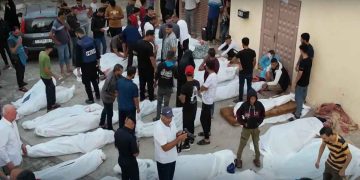
Alongside this health catastrophe, the daily killing of civilians in Gaza continues, with hundreds of Palestinians killed in recent months, including large numbers of women and children. This constitutes a fundamental violation of the right to life, a non-derogable right that cannot be suspended or diminished, whether or not a ceasefire agreement exists.
The killing of civilians, the infliction of life-altering injuries, and the destruction of the basic conditions necessary for survival amount to grave crimes that require accountability and cannot be justified under any political or military pretext. In Gaza, deliberate injury, enforced medical deprivation, and siege intersect to produce death or disability as a daily reality — leaving humanitarian consequences that will endure for decades after the cessation of military operations.