









Killings continue to surge in Arab towns inside the 1948-occupied Palestinian territories at an alarming pace, underscoring what rights advocates describe as the Israeli occupation authorities’ persistent failure to uphold their legal duty to protect Palestinian citizens. The growing influence of organised crime networks and the widespread availability of firearms within Arab communities have contributed to a climate of near-total impunity, turning lethal violence into a sustained and normalised phenomenon.
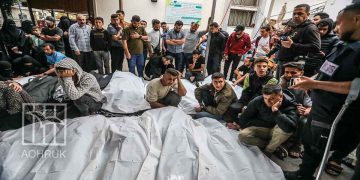
Overnight and into Thursday morning, five people were killed in separate shooting incidents across Arab localities, bringing the total number of murder victims since the beginning of the year to 42. Twelve of those killings have occurred since the start of the current month alone, reflecting a sharp and dangerous escalation in both the frequency and geographic spread of violence.
Among the victims was 20-year-old Farid Abu Mubarak from Shaqib al-Salam in the Naqab (Negev), who was fatally shot. In the city of Rahat, 22-year-old Mukhtar Abu Madigham, son of a former mayor, was found dead inside his vehicle. The town of Yarka witnessed two consecutive killings, including Sheikh Najib Hamad Abu Rish, who was shot while on his way to work. In Lod, 60-year-old Hussein Saleh Abu Riqiq was also killed by gunfire. Hours earlier, a man was shot dead in the town of Fureidis, further illustrating the entrenched insecurity facing Arab communities.
Under international human rights law, including the International Covenant on Civil and Political Rights, Israeli occupation is obligated to safeguard the right to life and personal security of all individuals under its effective control. However, the persistent rise in homicide rates within Arab towns, coupled with low crime-solving rates and limited action to curb illegal weapons, points to a repeated failure to meet these obligations.
Observers note a stark disparity in policing, preventative services, and resource allocation between Arab and Jewish communities, reinforcing structural discrimination in public safety provision. Despite longstanding awareness of the sources and trafficking routes of illegal firearms, authorities have failed to take decisive and sustained action, allowing criminal networks to expand their operations and deepening perceptions of unequal protection under the law.
The cumulative figures reflect a systemic crisis rather than isolated incidents. In 2025 alone, 252 Palestinian citizens of Israeli occupation were killed in violent crimes, a record high. Early indicators in 2026 suggest that the same pattern is continuing, raising serious concerns about the absence of meaningful structural reforms and effective preventative strategies.
Beyond investigative shortcomings, the crisis is compounded by the lack of comprehensive disarmament initiatives, inadequate infrastructure investment, and entrenched socio-economic marginalisation, factors that create fertile ground for organised violence to flourish in communities that increasingly report feeling unprotected.
International human rights standards impose not only a duty to refrain from direct violations, but also a positive obligation to take reasonable measures to prevent foreseeable threats to life and to ensure effective investigation and accountability. Repeated failure to do so, particularly where a discriminatory pattern is evident, may give rise to international scrutiny.
As the number of victims continues to rise, Arab communities inside the 1948 territories remain trapped in a deteriorating security environment marked by structural neglect and unequal protection, with the right to life and personal safety becoming an urgent and unresolved demand.