










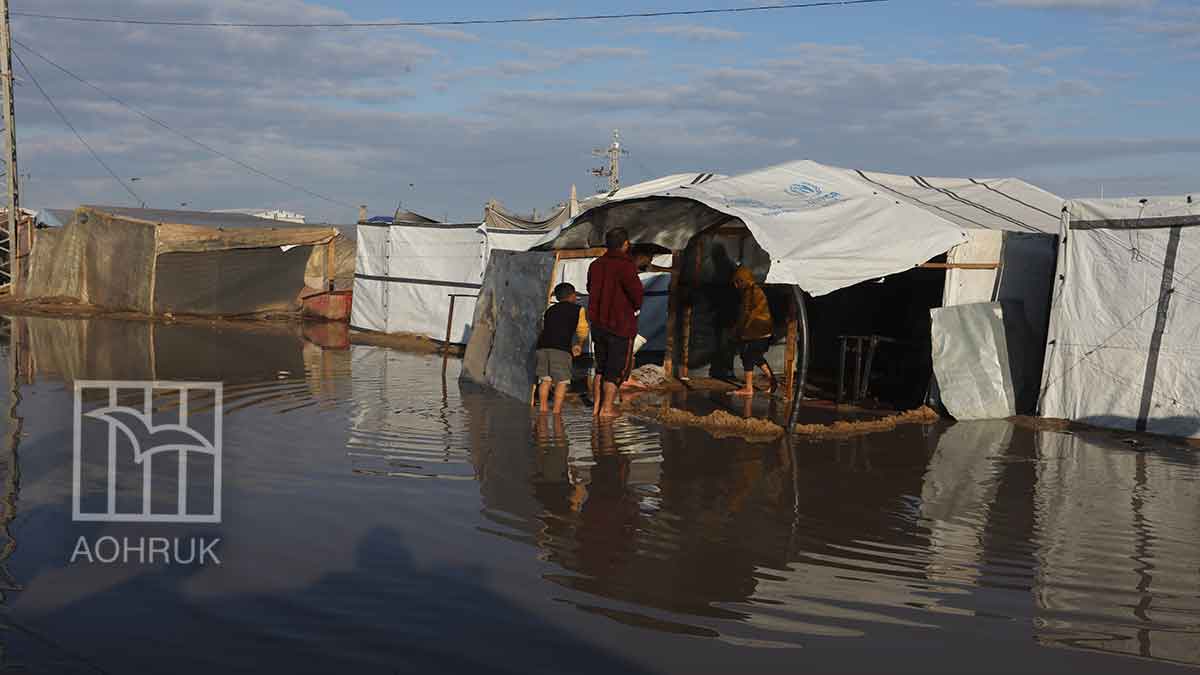
The United Nations has reported that approximately 55,000 Palestinian families in the Gaza Strip have been impacted by recent rainstorms, with damage to their shelters and belongings, further worsening the ongoing humanitarian crisis after years of displacement and infrastructure destruction.
UN Deputy Spokesperson Farhan Haq stated at a press briefing in New York that the UN Office for the Coordination of Humanitarian Affairs (OCHA) recorded damage to tens of thousands of homes, tents, and shelters, as well as dozens of child-friendly spaces, disrupting protection activities for nearly 30,000 children across the territory.
Haq noted that continued Israeli restrictions are hampering humanitarian relief efforts and delaying aid delivery, increasing the vulnerability of affected families and exacerbating the risks they face, especially during the winter season.
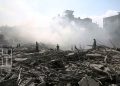
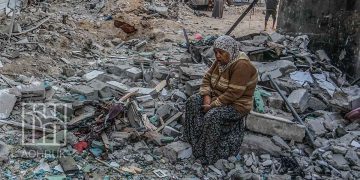
Hundreds of thousands of displaced people in Gaza are living in dire conditions following the destruction of their homes and forced displacement due to Israeli intensified military campaign. They face severe shortages of blankets and heating supplies, leaving them exposed to extreme cold and heavy rainfall.
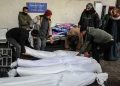
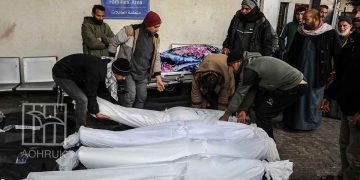
This natural disaster has coincided with a rise in deaths among children and infants from the cold, with 13 fatalities reported at hospitals due to the harsh weather, highlighting the fragility of the humanitarian situation and the absence of basic protective infrastructure. This represents a grave violation of civilians’ rights to safety and dignity.
The situation underscores the urgent need for immediate humanitarian intervention, including the provision of shelter materials and heating supplies, and ensuring unhindered aid delivery to alleviate the daily suffering of Gaza’s residents, especially children and displaced families.
Depriving civilians of safe shelter and protection from natural disasters constitutes a clear violation of the occupying power’s obligations under international law, including the rights to life, environmental protection, personal security, and dignified living conditions.
Moreover, obstructing humanitarian aid access compounds these violations, turning natural phenomena like rainstorms into life-threatening dangers for civilians.