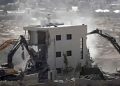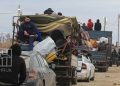
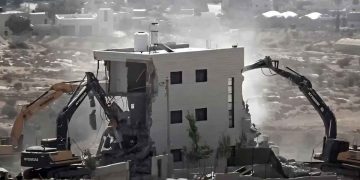

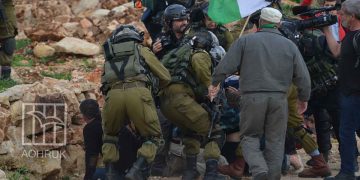










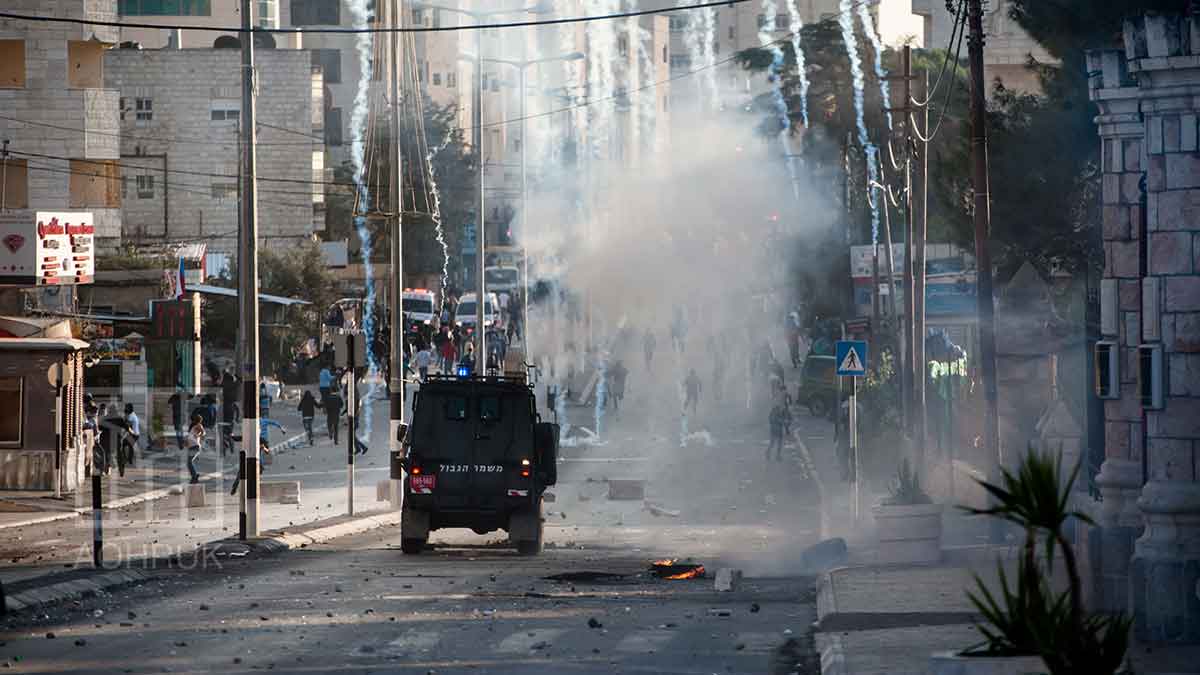
In the early hours of Monday morning, the Israeli occupation forces (IOF) stormed the city of Tubas and the town of Aqaba in the northern West Bank, less than 24 hours after withdrawing from a large-scale offensive that lasted four days. That assault left widespread destruction of both public and private property, alongside hundreds of injuries and arrests.
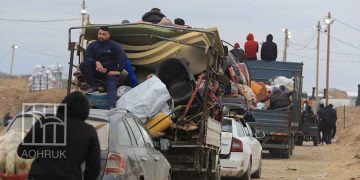
According to eyewitnesses, the IOF troops conducted a wide deployment throughout the city and town, imposing a full curfew from dawn. Military bulldozers began sealing off main and side roads, isolating neighbourhoods and paralysing daily life.
The IOF troops also stormed several civilian homes, turning some into military outposts, a practice that routinely exposes residents to coercive conditions and undermines their sense of safety within their own homes.
The Tubas Directorate of Education announced the suspension of in-person schooling across the entire governorate, shifting to remote learning due to the ongoing curfew and the inability of students and teachers to move freely. This underscores the military operations’ impact on basic rights, such as access to education and child safety.
Last Wednesday, the occupation launched a wide-ranging military campaign in Tubas, affecting the city, several villages, and Al-Far’a refugee camp. The four-day assault resulted in the destruction of infrastructure and severe damage to civilian property.
Meanwhile, the Israeli occupation army continues another military operation in the town of Qabatiya, south of Jenin. That operation has involved a curfew, the conversion of homes into military posts, and further raids and arrests.
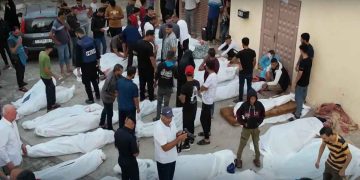
These developments are part of a broader military escalation in the West Bank since the war on Gaza began. To date, Israeli assaults in the West Bank have resulted in the killing of at least 1,085 Palestinians, around 11,000 injuries, and the arrest of more than 21,000 individuals.
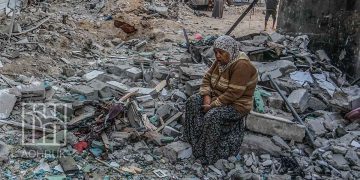
In Gaza, from 8 October 2023 through two years of war, more than 70,000 people have been killed and around 171,000 wounded, most of them women and children. The war has left vast swathes of residential areas and essential infrastructure in ruins, with reconstruction costs now estimated at $70 billion.
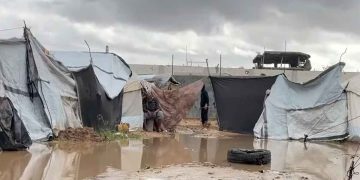
This field reality highlights a grave deterioration in humanitarian conditions and a surge in violations against civilians, including restrictions on movement, the violation of home sanctity, and attacks on civilian infrastructure. These practices continue to deepen the suffering of residents and heighten their vulnerability, amid deafening international silence.