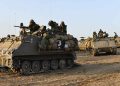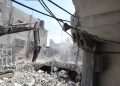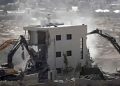


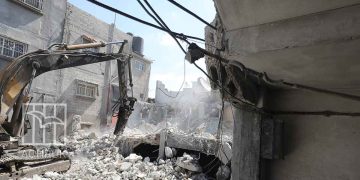
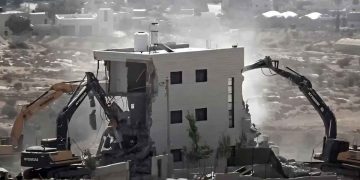
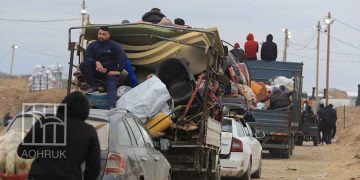


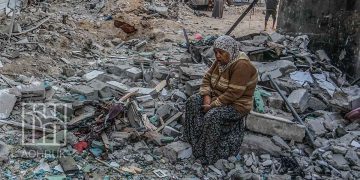









The Gaza Strip witnessed a sweeping military escalation at dawn on Thursday, as Israeli aircraft and artillery carried out a series of simultaneous strikes on scattered areas in both the north and south of the enclave, accompanied by the demolition of homes and structures in zones under Israeli control inside the Strip.
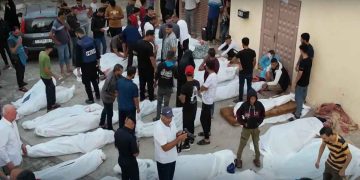
The escalation came a day after a drone attack left five Palestinians dead including two children, in west of Khan Yunis in the south.
According to eyewitness accounts, Israeli warplanes launched several strikes on areas east of Rafah and Khan Yunis, while at least one strike targeted the town of Beit Lahiya in the northern Strip.
This was accompanied by intense artillery shelling and helicopter gunfire in northern and eastern Khan Yunis, as Israeli forces detonated residential buildings and civilian structures east of Gaza City.
Witnesses reported artillery rounds landing on the Shujaiya and Tuffah neighbourhoods in eastern Gaza, while continuous gunfire was heard from military vehicles stationed in the area.
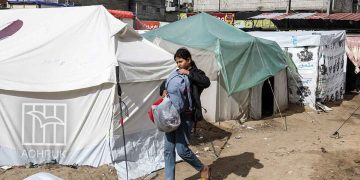
On Wednesday evening, five Palestinians, including two children, were killed and others wounded when drone fire struck tents sheltering displaced families west of Khan Yunis, in yet another breach of the ceasefire.
Despite the ceasefire taking effect on 10 October, Israeli forces have violated it hundreds of times, leading to the killing and wounding of hundreds of Palestinians, according to local data.
The continued bombardment and demolition of civilian-populated areas raise grave legal concerns under international humanitarian law, foremost among them the obligation to distinguish between civilians and combatants, and the prohibition on targeting or endangering civilian lives or destroying their property without imperative military necessity.
Striking tents sheltering displaced persons, circumstances known to include families and children who had fled violence elsewhere, constitutes a clear violation of the occupying power’s duty to protect civilians and prevent exposing them to further harm.
International law also prohibits the destruction of private property except in cases of absolute military necessity, rendering the repeated demolition of homes and civilian structures subject to wide legal scrutiny, particularly in the absence of any transparent or publicly stated justification.
These recurrent breaches of the ceasefire undermine any humanitarian pathway aimed at alleviating civilian suffering, placing direct responsibility on the militarily dominant force for the escalating loss of life and worsening conditions endured by the population.
The genocide launched by Israel on 7 October 2023 and sustained for two years has left more than 70,000 Palestinians dead and some 171,000 wounded, the majority of them children and women, alongside massive destruction that the United Nations estimates will require around $70 billion to rebuild.