




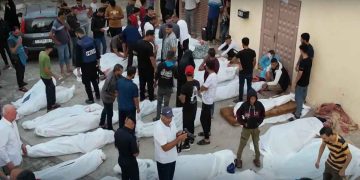







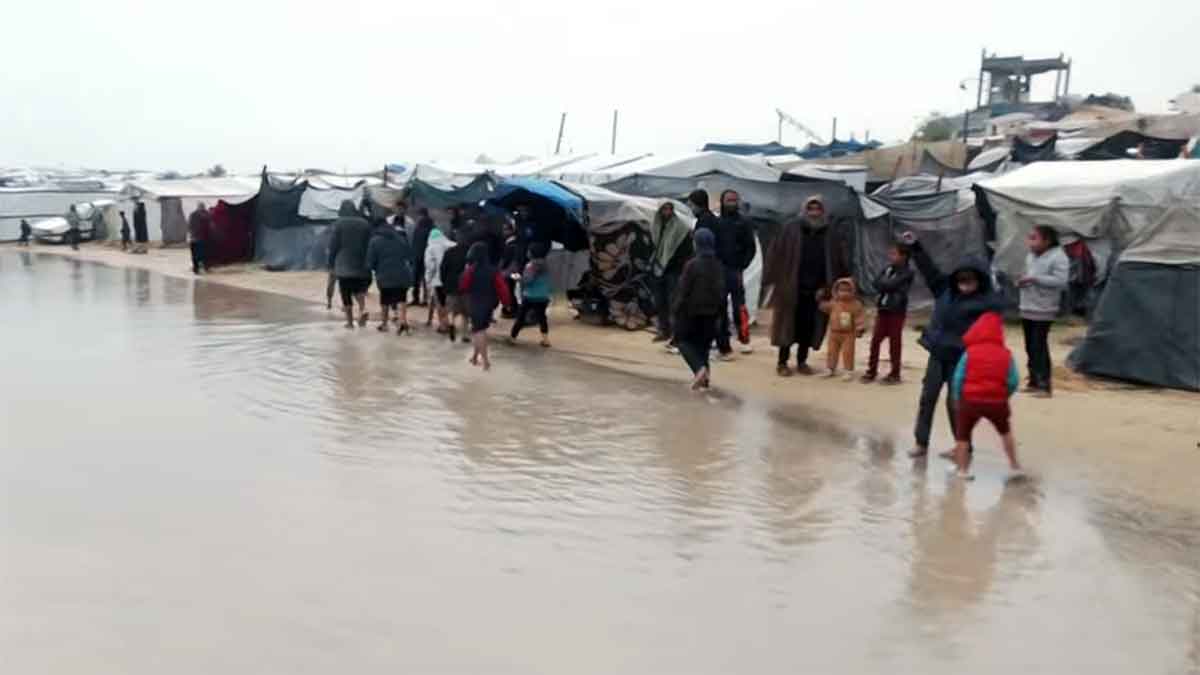
The deep low-pressure system that struck the Gaza Strip in less than twenty-four hours has laid bare the scale of the humanitarian collapse facing the population. The storm caused the deaths of eleven people and injured others, leaving behind extensive destruction and flooding across the overcrowded, displacement-stricken territory.
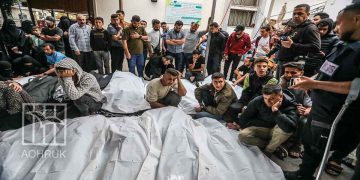
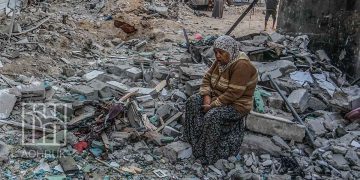
In the north of the Strip, the collapse of a house sheltering displaced families in the Bir al-Naaja area of Beit Lahia resulted in the deaths of five people and injuries to others. The incident highlights the level of danger facing tens of thousands who have been forced to live in structurally compromised buildings that have lost their ability to withstand damage after many months of bombardment and lack of maintenance.
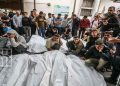
In western Gaza City, two people died after a large wall fell onto tents housing displaced families in the al-Rimal neighbourhood. A young girl also died due to the severe cold in the same city, followed shortly after by an infant in al-Shati refugee camp — scenes that reflect the complete absence of heating and safe shelter for children, who should be the most protected group under any circumstances.
The day before, another person died when a wall collapsed in al-Shati camp, while two children were injured after their tent collapsed in Abu Jabal camp in the al-Amadi area.
The extreme cold also led to the death of an infant inside a tent in the al-Mawasi area of Khan Younis, a tragic repetition of fatalities caused by harsh weather conditions that turn winter in Gaza into a direct threat to life.
Civil defence teams, operating with almost no resources, confirmed the collapse of no fewer than ten homes in recent hours, the most recent being two houses in the al-Karama and Sheikh Radwan neighbourhoods. They also evacuated residents from other homes after entrances collapsed or major cracks appeared, in a situation where swift evacuation is a luxury made impossible by destroyed infrastructure and flooded streets.
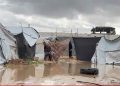
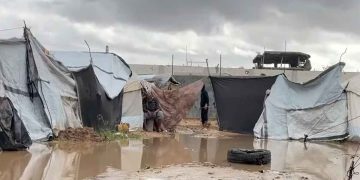
Entire displacement camps in the al-Mawasi area of Khan Younis were submerged, and large sections of al-Bassa and al-Baraka in Deir al-Balah were heavily damaged, as was the central market in Nuseirat, along with the Yarmouk and Port areas in Gaza City. Tent clusters have turned into swamps unfit for human habitation.
What is unfolding in Gaza cannot be treated as isolated natural disasters. The devastation caused by the storm has exposed the fragility of civilian infrastructure, the absence of safe shelters, and the lack of basic protections that populations under international law are entitled to.
Children dying from cold, homes collapsing on their occupants, and the drowning of displacement camps are not accidental incidents; they are violations of fundamental rights, foremost among them the right to life and physical safety, as well as the right to adequate housing, protection during conflict, access to healthcare, and the means necessary for survival.
This reality also underscores clear legal responsibilities. Protecting civilians is not optional, and providing them with a safe environment during war and displacement is not a voluntary act of charity; it is an obligation imposed by the rules of international humanitarian law. When a person finds themselves trapped between bombardment on one side and climate disasters on the other, without infrastructure, shelter, heating, or an effective rescue system, it means that the entire framework of civilian protection has collapsed.