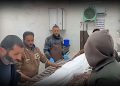






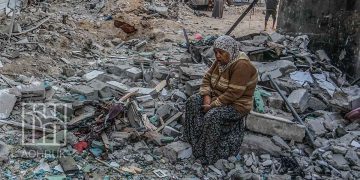

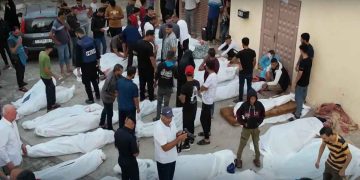







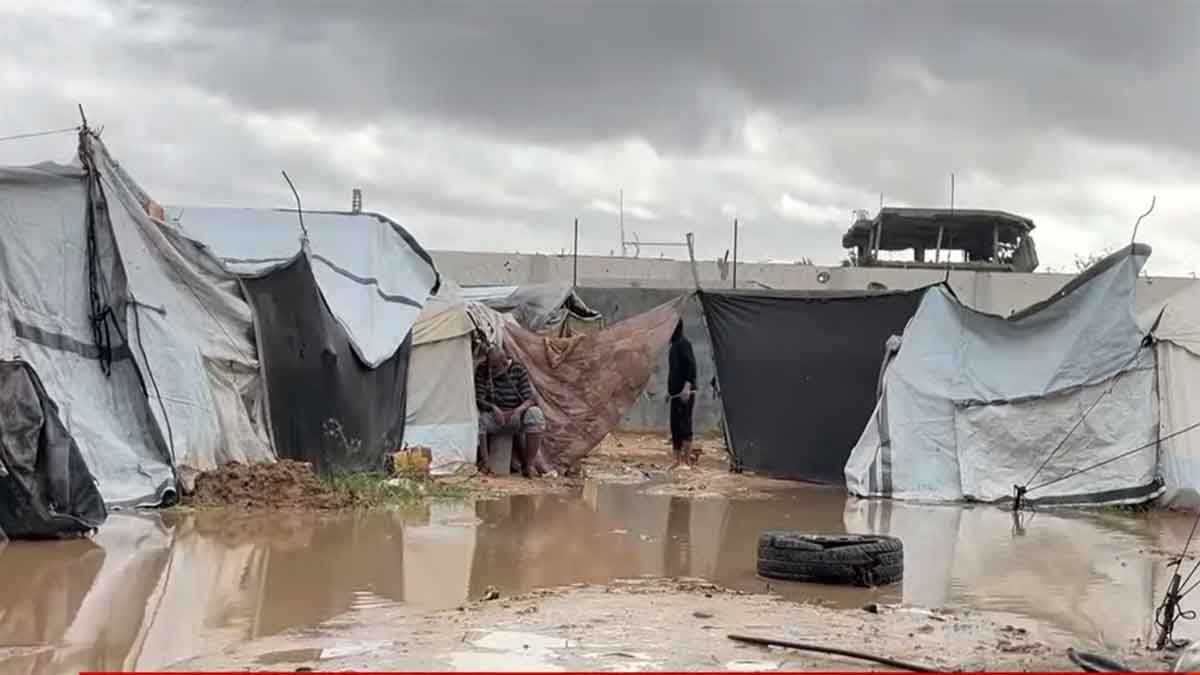
A young Palestinian woman was killed at dawn on Sunday in the Al-Rimal neighbourhood west of Gaza City after a wall of a previously damaged house collapsed onto her tent, as a powerful storm system swept across the Gaza Strip since Saturday evening.
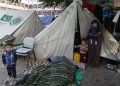
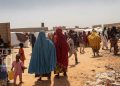
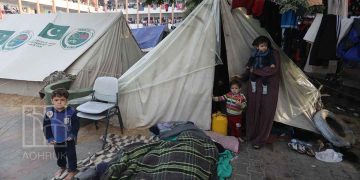
At the same time, heavy rainfall and strong winds caused the flooding and destruction of thousands of tents housing displaced families across various parts of the Gaza Strip, further exacerbating an already dire humanitarian crisis.
Medical sources reported that the woman, aged 30, died instantly when the wall collapsed, while several members of her family were injured.
Eyewitnesses stated that the wall was part of a partially destroyed building that collapsed under intense winds onto a nearby tent, underscoring the extreme fragility of temporary shelters and the grave risks posed by living near unsafe rubble.
In the southern Gaza Strip, hundreds of tents erected along the coast of Khan Younis were flooded as a result of rising sea waves associated with the storm. Meanwhile, Gaza City saw the destruction of hundreds of other tents, amid a complete lack of protection from cold weather and rain.
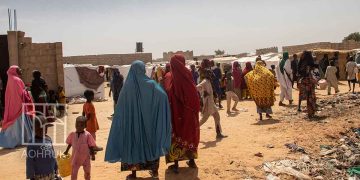
Tens of thousands of displaced people are currently living in tents made of thin nylon and fabric, set up along roads, in public squares, playgrounds, and school grounds, without infrastructure or basic safety measures.
Meteorological authorities warned of increasing wind speeds and the potential formation of flash floods, while specialists indicated that additional storm systems are expected to affect the Palestinian territories in the coming days. This raises serious concerns about escalating risks to residents, particularly children, the elderly, and patients.
These developments occur within the context of ongoing violations of civilians’ fundamental rights in the Gaza Strip, foremost among them the right to life, the right to adequate housing, and the right to health.
Under international humanitarian law, the occupying power bears positive obligations to protect civilians and ensure their safety. These duties include taking effective measures to prevent foreseeable risks, ensuring safe shelter, and facilitating the entry of relief supplies, fuel, and shelter materials.
International law also prohibits exposing civilians to avoidable dangers, including leaving them in unsafe shelters near unstable rubble or depriving them of basic protection from harsh weather conditions. Failure to remove hazardous debris, prevent the entry of mobile housing units and heating materials, and the continued closure or restriction of crossings directly contribute to exposing civilians to predictable and preventable harm.
Despite the ceasefire entering into force on 10 October, no tangible improvement has been observed in humanitarian conditions. Border crossings remain largely closed, and agreed quantities of food, relief items, medical supplies, and shelter materials have not been allowed in. As a result, families remain without heating in plunging night-time temperatures, increasing health risks — particularly for children — with deaths already recorded among them.
Since 8 October 2023, the Gaza Strip has been subjected to a large-scale assault that has resulted in more than 71,000 Palestinian deaths, over 171,000 injuries, and the destruction of approximately 90 percent of civilian infrastructure. Reconstruction costs are estimated at around USD 70 billion. Against this backdrop of devastation, winter storms have become a direct threat to life in the absence of effective protection and sufficient humanitarian assistance.
The continued exposure of Gaza’s civilian population to foreseeable and preventable dangers, and their abandonment without safe shelter or protection from the elements, constitutes a serious breach of the legal obligations borne by the occupying power. This situation requires urgent action to ensure civilian protection, provide safe shelter, and open crossings for the unimpeded entry of relief supplies — in a manner that upholds human dignity and prevents the recurrence of such tragedies.