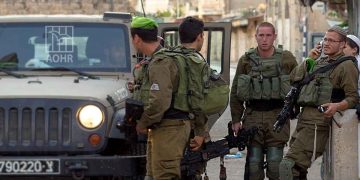

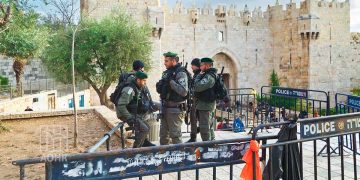




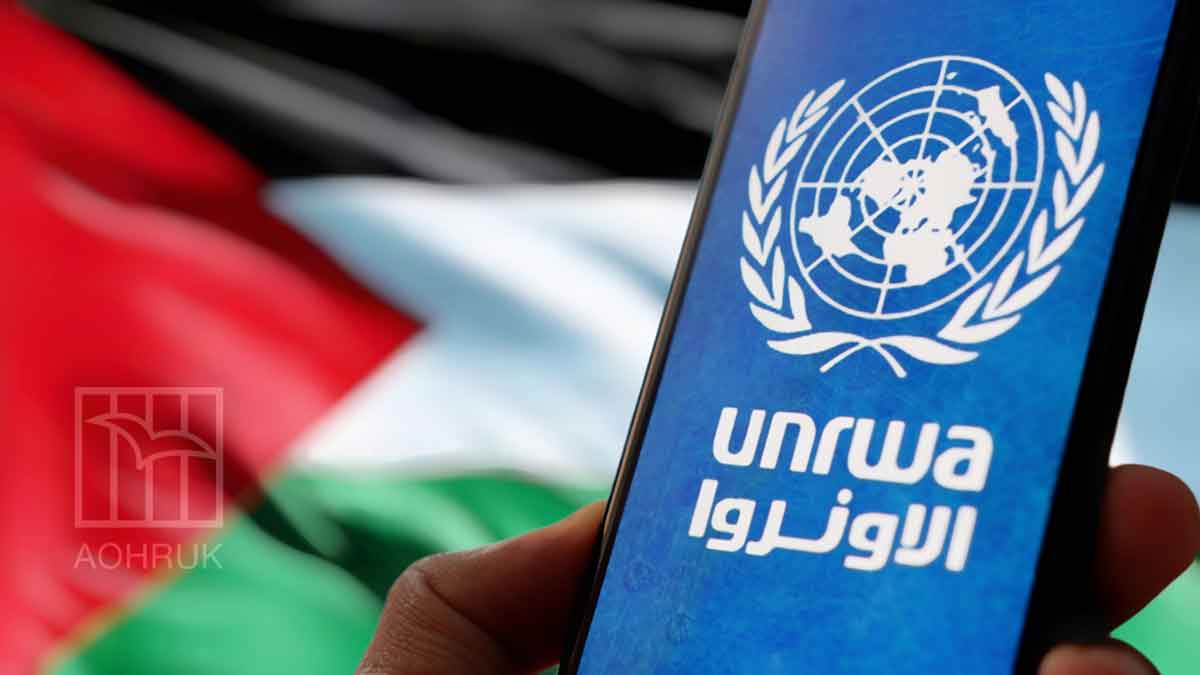
The Jerusalem Governorate announced that the occupation authorities have issued official notices ordering the disconnection of electricity and water supplies to buildings belonging to the United Nations Relief and Works Agency for Palestine Refugees in the Near East (UNRWA) within the city, in a move that constitutes a direct threat to the Agency’s presence and its ability to provide essential services to refugees.
The notices cover ten UNRWA buildings, including schools, clinics, training centres, and administrative offices, among them the Agency’s main headquarters in the Sheikh Jarrah neighbourhood.
This step follows the Israeli Knesset’s approval of a law permitting the cutting of electricity and water services to the Agency, a measure that constitutes a clear violation of international law and the Charter of the United Nations, under which UNRWA was established to ensure the protection of Palestinian refugees and the safeguarding of their fundamental rights until a just solution to their cause is reached.
The targeting of UNRWA buildings represents a grave threat to the basic rights of refugees, including the right to education, healthcare, and humanitarian relief. Such measures transform humanitarian institutions into instruments of political pressure and deepen the suffering of civilians who depend on the Agency’s services under already harsh living conditions, particularly in light of the ongoing occupation and the systematic policies of discrimination against Palestinians.
Over the years, the occupation has falsely accused the Agency of links to what it terms “terrorist organisations” in order to justify the restriction of its activities and to undermine its standing before the international community, at a time when Palestinian refugees are in urgent need of sustained support to ensure their protection and the fulfilment of their basic needs.
International norms make clear that all civilians, including refugees, have the right to access essential services such as education, healthcare, water, and electricity, without discrimination or coercive deprivation.
Accordingly, the targeting of humanitarian institutions, particularly UNRWA, which was established by the United Nations to provide protection and services to Palestinian refugees, constitutes a direct violation of the principle of neutrality and of the protection afforded to civilian personnel and humanitarian installations under international humanitarian law, including the four Geneva Conventions and their Additional Protocols.
Moreover, any measure that cuts off basic services from refugees constitutes a breach of international legitimacy resolutions, including General Assembly Resolution 302, which established UNRWA, and violates the obligations of the occupying power under international law, as it bears responsibility for the protection of the civilian population in occupied territories. Such actions may also be classified as forms of collective punishment prohibited under international law, as they deprive civilians of their essential needs as a means of political or punitive pressure, thereby exacerbating the humanitarian crisis and threatening the lives of civilians and refugees alike.
This escalation stands as a stark indication of the continued violations of the rights of Palestinian civilians and humanitarian institutions in Jerusalem, and it calls for urgent international action to ensure the continued operation of UNRWA and to protect refugees from being deprived of the most basic of their human needs.