












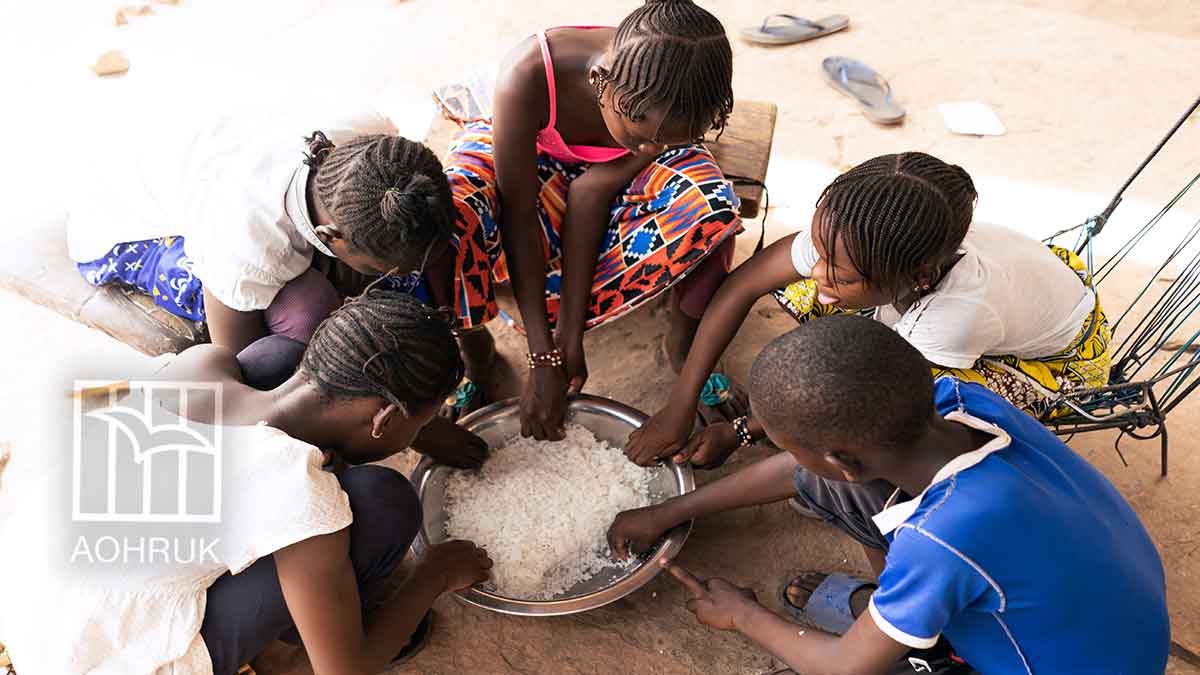
Sudan is facing a severe humanitarian crisis that threatens the lives of millions, amid the continued conflict and a critical shortfall in international funding for food assistance.
The United Nations World Food Programme (WFP) warned in a statement that food assistance in Sudan could be exhausted within two months due to a lack of funding.
The programme explained that unless additional urgent funding is secured, millions of people will be deprived of life-saving assistance within weeks, noting that food rations have already been reduced to the bare minimum required for survival.
The statement indicated that food stocks in the country may run out by the end of next March, citing the UN-backed Integrated Food Security Phase Classification (IPC) report, which confirmed that famine has spread to the cities of El Fasher in North Darfur and Kadugli in South Kordofan.
It also warned that residents of the city of Dilling are facing famine-like conditions, pointing to the difficulty of obtaining accurate data due to communications outages and restricted movement in conflict areas.
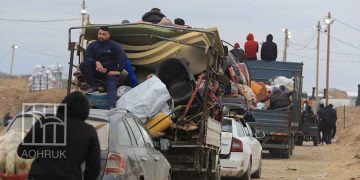
The World Food Programme further revealed that the ongoing conflict has led to the world’s largest hunger crisis and the largest displacement emergency, with more than 21 million people suffering from acute food insecurity, while at least 11 million displaced persons are living in overcrowded shelters.
International humanitarian law, particularly the four Geneva Conventions and their Additional Protocols, stipulates the protection of civilians during armed conflicts and guarantees their access to food and essential assistance. The Universal Declaration of Human Rights and the International Covenant on Economic, Social and Cultural Rights also affirm the right to food as an integral part of the right to an adequate standard of living and a life of dignity.
In light of the current crisis, the lack of funding and the absence of aid constitute a direct threat to these fundamental rights, raising serious questions about the responsibilities of states and international organisations to protect civilians and ensure the urgent and safe delivery of humanitarian assistance.