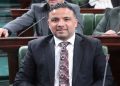


















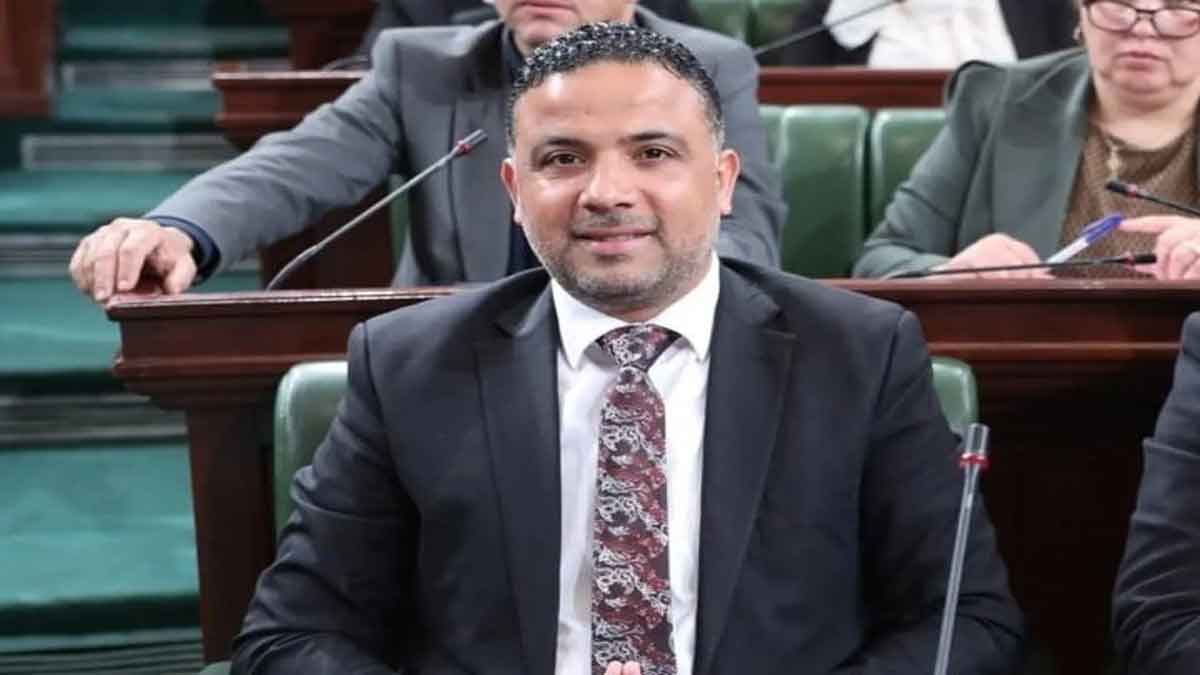
The Algerian authorities have extradited former Tunisian parliamentarian Seifeddine Makhlouf to Tunisia, in a blatant violation of international laws concerning the protection of refugees and political dissidents.
This extradition comes at a time when Makhlouf is facing politically motivated trials and court rulings issued by a judiciary widely viewed as being under the control of President Kais Saied. His return constitutes a forced repatriation that puts him at serious risk of persecution and prosecution for political reasons.
International law, most notably the principle of non-refoulement, serves as a cornerstone in safeguarding refugees and political asylum seekers. It prohibits the return of any individual to a country where they face a real risk of persecution or political prosecution. In this case, Makhlouf was secretly transferred from Algeria to the Tunisian border, highlighting a clear disregard for international legal standards and basic human rights protections.
Subjecting a politically accused individual to show trials or in-absentia rulings in the absence of fair judicial procedures is a direct violation of international human rights conventions, including the International Covenant on Civil and Political Rights, which guarantees the right to a fair trial, legal defence, and judicial independence.
The use of bilateral extradition mechanisms to enforce politically driven rulings places individuals at serious risk and effectively transforms legal agreements into tools of repression. Such actions threaten the very foundations of refugee and dissident protection and set a dangerous international precedent.
This incident underscores the fragility of protections for political dissidents in the region and reinforces the urgent need for the international community to reassess legal cooperation frameworks, ensuring they are not weaponised for political score-settling at the expense of international law and human rights.