

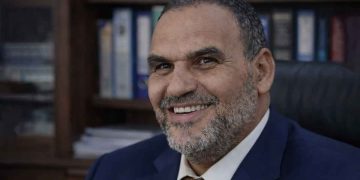








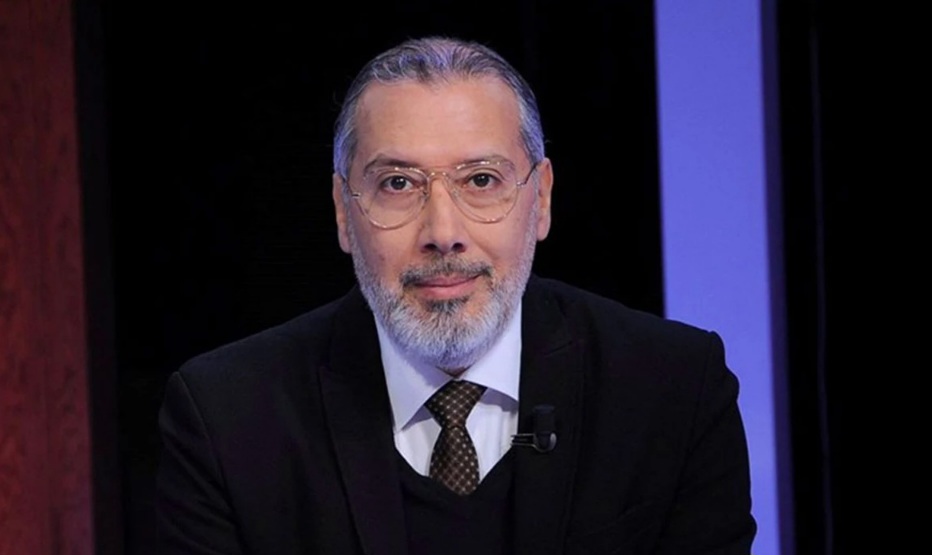
Borhane Bsaïs, a journalist currently detained in the civil prison of Mornaguia, has sent a message to the public through his lawyer, shedding light on the conditions of his detention and the profound impact it has had on his life and that of his family. He highlights what he perceives as a shrinking space for freedom of expression and the extension of punitive measures beyond the individual to harm innocent family members.
Bsaïs, who was previously sentenced under Decree 54 and has already served eight months of his sentence, now faces a new case before completing the first. In his message, he remarks that this creates a sense of “continuous punishment.”
He describes the allegations against him, related to tax violations and money laundering, as exaggerated and legally unfounded, asserting that the real motive is his journalistic work and independent views.
Bsaïs points to the economic impact on his family, as a sum of 80,000 dinars (a family savings) was confiscated, meant to cover the needs of his household and his grandchild, Haroun. The seizure has left his family without any supplementary income and increasingly vulnerable, demonstrating the indirect punishment inflicted upon them.
He also reveals that he is subject to a “special classification” within the prison, which restricts visitations to behind-glass encounters, depriving his family of vital emotional and physical contact. This violates internationally recognised human rights principles, which affirm the detainee’s right to family contact and the protection of families from the effects of judicial measures.
Bsaïs’ message touches on several core issues: the proportionality of punishment in relation to alleged offences, the impact of punitive measures on freedom of expression, and respect for family and detainee rights under international standards, including the Convention on the Rights of the Child and the right to a fair trial and freedom of the press.
His letter serves as a call to reflect on the balance between enforcing the law and safeguarding fundamental rights, especially freedom of expression and the protection of families. It is a stark reminder that criminal penalties should not extend to those whose only connection is familial, and that humanitarian standards must prevail, even within prison walls.