













Egyptian prisons have witnessed a double humanitarian tragedy, marked by the deaths of two elderly detainees and the subsequent outbreak of protests and hunger strikes inside detention facilities, in a stark indication of the continued pattern of medical neglect and the authorities’ failure to ensure healthcare and a dignified life for prisoners.
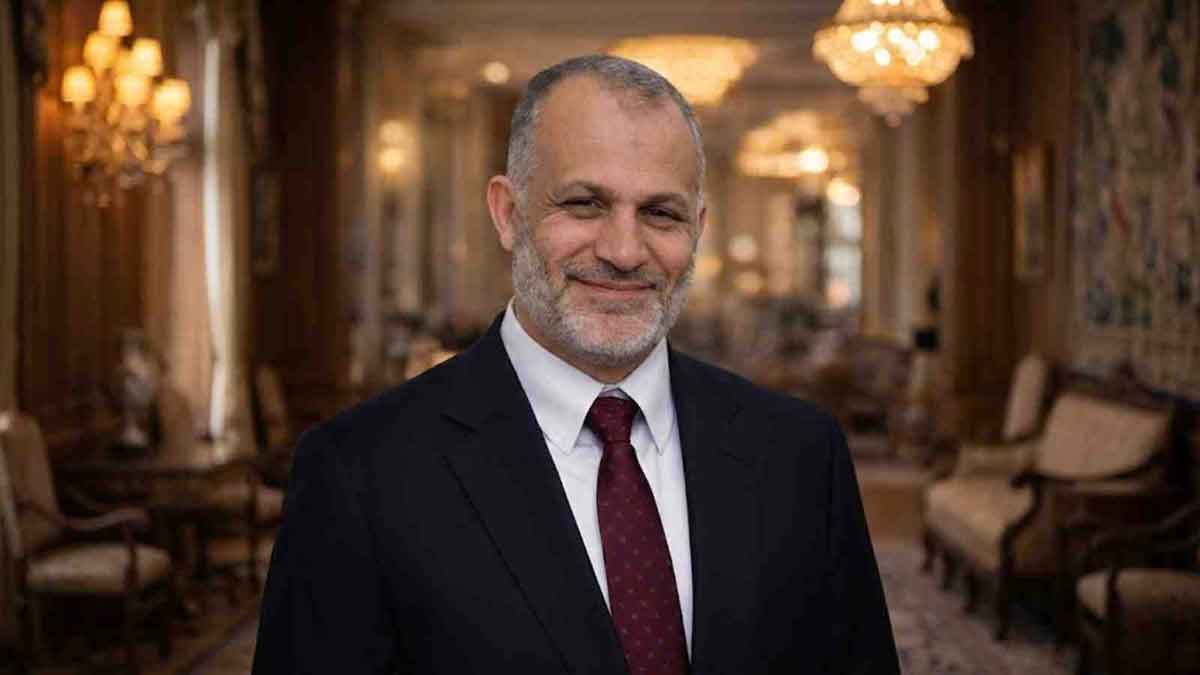
The developments began with the death of Dr Galal Abdel-Sadiq Mohamed Al-Sahlab (71) on Monday, after enduring years of suffering in prison since his arrest on 24 November 2013.
Al-Sahlab was a professor emeritus and former head of the Physics Department at the Faculty of Science, Assiut University. Over an academic career spanning more than four decades, he published numerous scientific papers in the fields of solid-state physics, crystallography, and thermal and optical properties since the 1990s. He progressed through the academic ranks after his appointment as a teaching assistant in 1975, eventually serving as head of department between 2012 and 2013, and supervised a large number of master’s and doctoral theses.
Al-Sahlab’s death in custody, after years of arbitrary detention, exposes the authorities’ failure to provide adequate healthcare for elderly and chronically ill detainees, constituting a flagrant violation of international human rights standards and prisoners’ dignity, including the United Nations Standard Minimum Rules for the Treatment of Prisoners (the Nelson Mandela Rules).
In a similar incident, detainee Sameh Amer, in his fifties, died yesterday, Wednesday, inside Badr 3 Prison, after his health deteriorated as a result of persistent medical neglect. Amer suffered from heart valve problems, placing him among those in urgent need of specialised medical care.
Amer’s death triggered protests inside the prison, including banging on cell doors, chanting, and setting fire to blankets in some cells, which led to several detainees suffering from suffocation, while others were transferred to the prison hospital for treatment.
In response, prison forces reportedly stormed several sections and flooded some cells with water. Tensions continued until dawn on Thursday.
Detainees subsequently announced the start of a hunger strike in protest against the ongoing policy of medical neglect inside prisons, a step reflecting the depth of suffering and despair generated by current detention practices.
These incidents confirm the authorities’ direct responsibility for the deaths of elderly and ill detainees and reveal a grave failure to guarantee their right to life and physical integrity behind bars. They also highlight the lack of oversight and transparency, and the regime’s disregard for national and international human rights standards, including the right to health and human dignity.
The developments call for an urgent, transparent, and independent investigation into the circumstances surrounding these deaths, accountability for any medical negligence, a comprehensive review of detention conditions to ensure immediate access to specialised healthcare for all who need it, the empowerment of independent monitoring bodies to visit prisons and assess conditions, and the humanitarian release of elderly and sick prisoners in accordance with the law.
The recurrence of such incidents and the spread of hunger strikes reflect the scale of the ongoing crisis within Egypt’s prisons and underscore the government’s failure to uphold its human rights obligations, necessitating immediate action to prevent further deaths and to safeguard the lives and dignity of all detainees.