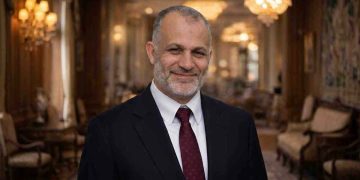







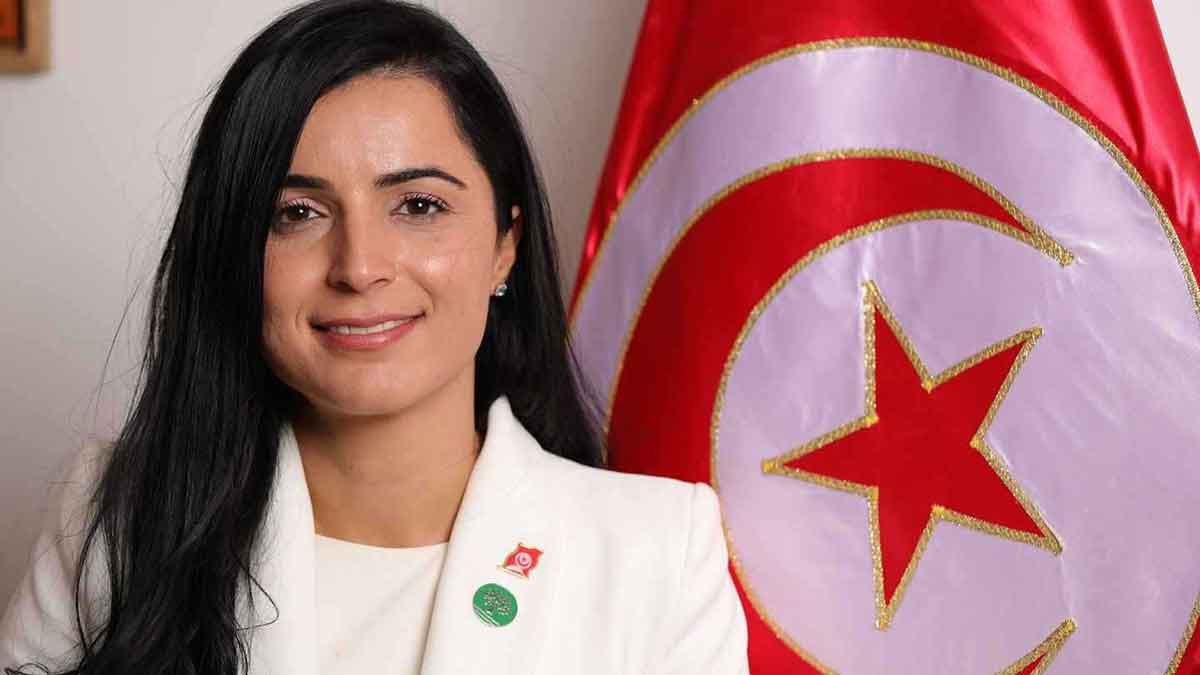
Tunisian security authorities arrested opposition figure Olfa Hamdi upon her arrival at the airport, in a move that aligns with a broader pattern of crackdowns targeting politicians, activists, and journalists since President Kais Saied assumed expanded powers in 2021.
Olfa Hamdi, leader of the Third Republic Party, has repeatedly criticised Saied’s policies and called for the organisation of a transitional government and the holding of early presidential elections. Her arrest was carried out without the announcement of clear charges or the application of transparent judicial procedures, reflecting the use of security apparatuses as tools to silence political opposition rather than uphold the rule of law and citizens’ rights.
Such practices constitute a violation of fundamental rights guaranteed under international law, including the rights to freedom of opinion, expression, and political participation. They also breach fair trial standards, which require that charges be clearly communicated and that detainees be granted immediate access to legal counsel and family members.
The continued arrests of opposition leaders, activists, and journalists indicate a systematic pattern aimed at restricting the political sphere and subordinating it to executive authority, effectively turning the judiciary into an instrument of power rather than an independent body safeguarding rights.
This approach undermines political pluralism and places public life at risk, reinforcing the notion that criticism of the authorities may be met with arbitrary security and judicial measures, rather than addressed through dialogue or democratic legal mechanisms.
What is unfolding reflects a troubling shift in the relationship between the state and the public sphere. Political criticism is no longer met with political response or democratic engagement but with security and judicial actions that place opponents under constant threat. The imprisonment or intimidation of politicians, activists, and journalists not only targets individuals but also threatens the very foundations of political life, erodes trust in state institutions, and weakens the principle of peaceful transfer of power.
In this context, the recurrence of such measures suggests the existence of a systematic policy aimed not at upholding the law but at neutralising dissent and controlling public space, placing the country at a critical juncture in terms of its commitment to constitutional values and international obligations.