







Amid the atmosphere of the holy month of Ramadan, which is meant to be marked by freedom of worship and spiritual tranquillity, renewed scenes of tension are unfolding in the occupied city of Jerusalem, linked to access to Al-Aqsa Mosque. This comes against the backdrop of tightened security measures and the continued incursions by settlers into the mosque compound, raising legal and human rights concerns that extend beyond security considerations to encompass religious freedoms and the right of an occupied population to practise its faith without restriction.
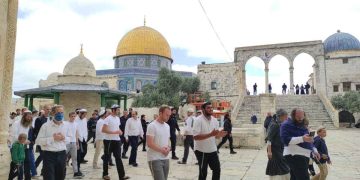
Settler incursions into Al-Aqsa Mosque have continued throughout Ramadan, despite the sacred status of the month for Muslims. Israeli police have extended the morning incursion period by an additional hour, while cancelling the post-noon incursions.
According to posts circulated by settler groups on social media platforms, the duration of incursions during Ramadan will reach five hours daily, except on Fridays and Saturdays, from 6:30 until 11:30 in the morning Jerusalem time.
Before the advent of Ramadan, incursions were organised in two periods: a morning session from 7 to 11 in the morning, and another after the noon prayer from 12:30 to 2:00 in the afternoon In previous years, it had become customary to halt incursions during the latter part of the day and throughout the final ten days of the month.
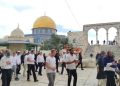
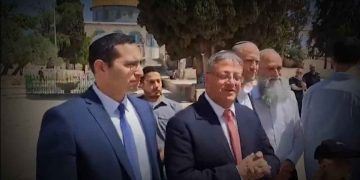
On Wednesday, Al-Aqsa Mosque witnessed a new incursion by a number of settlers through the Moroccan Gate in the western wall of the compound, in an image that has become routine since the early 2000s. These incursions date back to 2003, following a decision by Israeli police, despite objections from the religious authorities responsible for administering the mosque and their repeated calls for such actions to be stopped.
In parallel, Israeli police have not announced official age restrictions on the entry of worshippers from Jerusalem or from within the Palestinian territories occupied in 1948, nor have they declared any notable facilitation measures for worshippers from the West Bank. This is occurring as field data indicate the continuation of severe restrictions on Palestinian movement since the outbreak of the war on the Gaza Strip in October 2023.
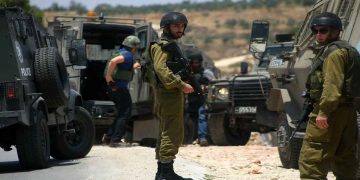
Coinciding with the first days of Ramadan, the occupation authorities announced a heightened state of security alert in the West Bank, including Jerusalem, with particular focus on the city and its surroundings, as well as what is known as the “seam line.” Recommendations were also put forward to impose numerical quotas and age restrictions on the entry of worshippers from the West Bank on Fridays, based on estimates of large numbers seeking to perform prayers at the Haram al-Sharif.
In the weeks preceding Ramadan, arrest campaigns and expulsion orders escalated in Jerusalem, within the framework of what the occupation authorities describe as preventive measures implemented annually ahead of religious seasons. However, the breadth of these actions underscores their incompatibility with the principles of necessity and proportionality under international law.
The right to freedom of worship and access to holy sites is among the fundamental rights enshrined in international instruments. International humanitarian law obliges an occupying power to respect the religious and cultural life of the occupied population and to refrain from collective measures that infringe upon their civil rights.
Likewise, altering patterns of access to places of worship or imposing wide-ranging restrictions without clear individual justifications is viewed as a measure that may amount to an unjustified curtailment of religious freedoms.
Within the framework of international law, the annexation of East Jerusalem or any unilateral changes to its legal status are not recognised. The city is considered occupied territory under United Nations resolutions, rendering any measures affecting its religious, demographic, or administrative character subject to continuous legal scrutiny.
Protection of religious property and holy sites forms part of general obligations during times of conflict, including the prevention of attacks or uses that compromise their sanctity or impede believers’ access to them.
Palestinians continue to uphold occupied Jerusalem as the capital of their aspired state, on the basis of international legitimacy. Meanwhile, policies on the ground persist with a direct impact on residents’ daily rights, including freedom of movement, worship, and peaceful assembly; rights that remain central to any legal or human rights discourse concerning the city’s status and future.