









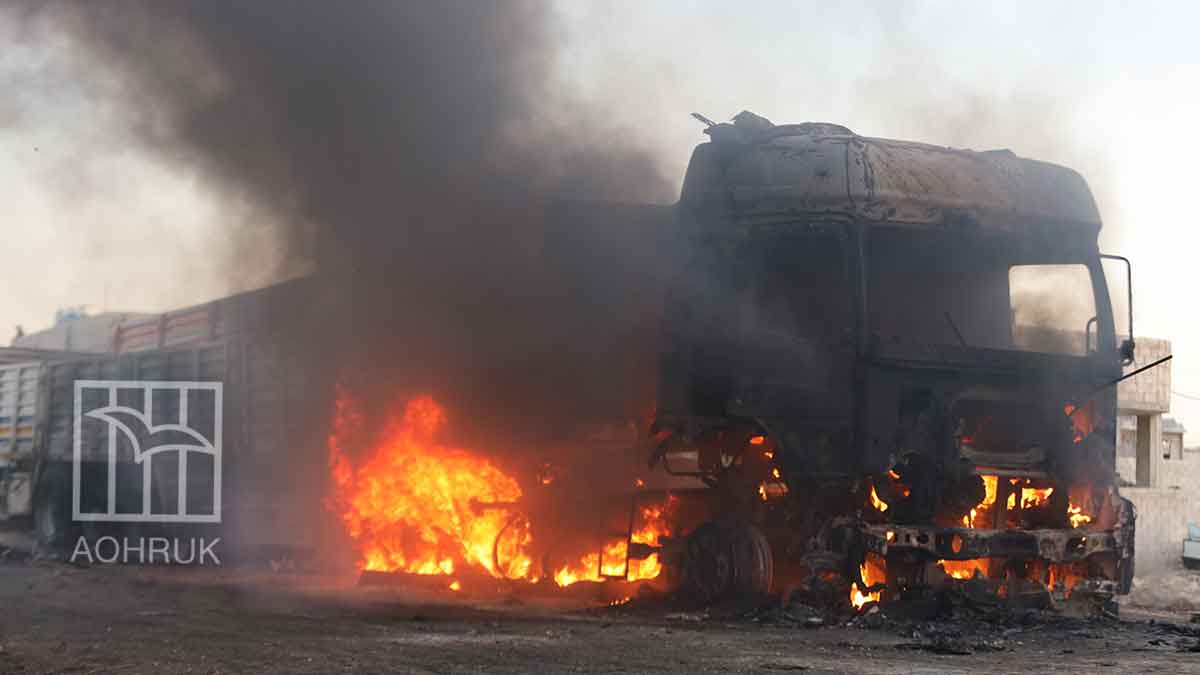
Amid one of the most complex humanitarian crises in the world, attacks on civilian infrastructure in Sudan continue to intensify, this time striking a humanitarian convoy bound for areas that had only recently emerged from a prolonged siege.
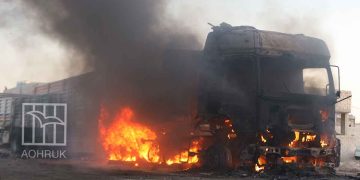
The Sudan Doctors Network, an independent body, announced the killing of three relief workers and the injury of four others after a humanitarian aid convoy was targeted by drones in South Kordofan state.
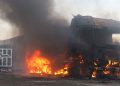
In a statement, the network said that aid lorries were destroyed by drones affiliated with the Rapid Support Forces and the Sudan People’s Liberation Movement North, Abdelaziz al Hilu faction, which is allied with it, in the Kartala area of South Kordofan.
According to the statement, three aid workers were killed while carrying out their duties and four others were wounded. The network did not specify the affiliation of the convoy or whether it belonged to a local or international organisation. It explained that the lorries were loaded with food supplies and humanitarian assistance and were heading to the cities of Kadugli and Dilling, following the announcement that the siege on both had been lifted, in order to provide urgent support to affected civilians.
Targeting humanitarian convoys and relief personnel constitutes a grave breach of international humanitarian law, which obliges parties to a conflict to distinguish between military objectives and civilian objects, and to ensure the protection of humanitarian workers while facilitating the unhindered delivery of aid to civilian populations.
The Geneva Conventions and their Additional Protocols require the respect and protection of relief personnel and facilities dedicated to humanitarian work, and prohibit deliberate attacks against them or against the means of transport used to deliver food and medical supplies. Obstructing or targeting aid, particularly in contexts marked by famine and siege, is widely regarded as a direct threat to the rights to life, food and health, all of which are safeguarded under international human rights law.
Moreover, the use of drones in populated areas demands strict adherence to the principles of proportionality and precaution, in order to avoid unjustified harm to civilians and humanitarian workers. Any attack of this nature is therefore subject to stringent legal scrutiny.
These developments come amid an ongoing armed conflict that has persisted since April 2023 between the Sudanese Armed Forces and the Rapid Support Forces, rooted in disputes over the integration of the latter into the national military establishment. The conflict has claimed tens of thousands of lives and displaced approximately thirteen million people, while famine has spread across parts of the country.
The repeated targeting of humanitarian convoys in conflict zones underscores the profound challenges facing efforts to protect civilians and ensure the delivery of life saving assistance. As humanitarian needs continue to deepen, strict compliance with international humanitarian law, alongside accountability for violations affecting relief workers or obstructing aid, remains an urgent necessity.