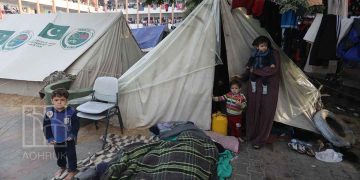













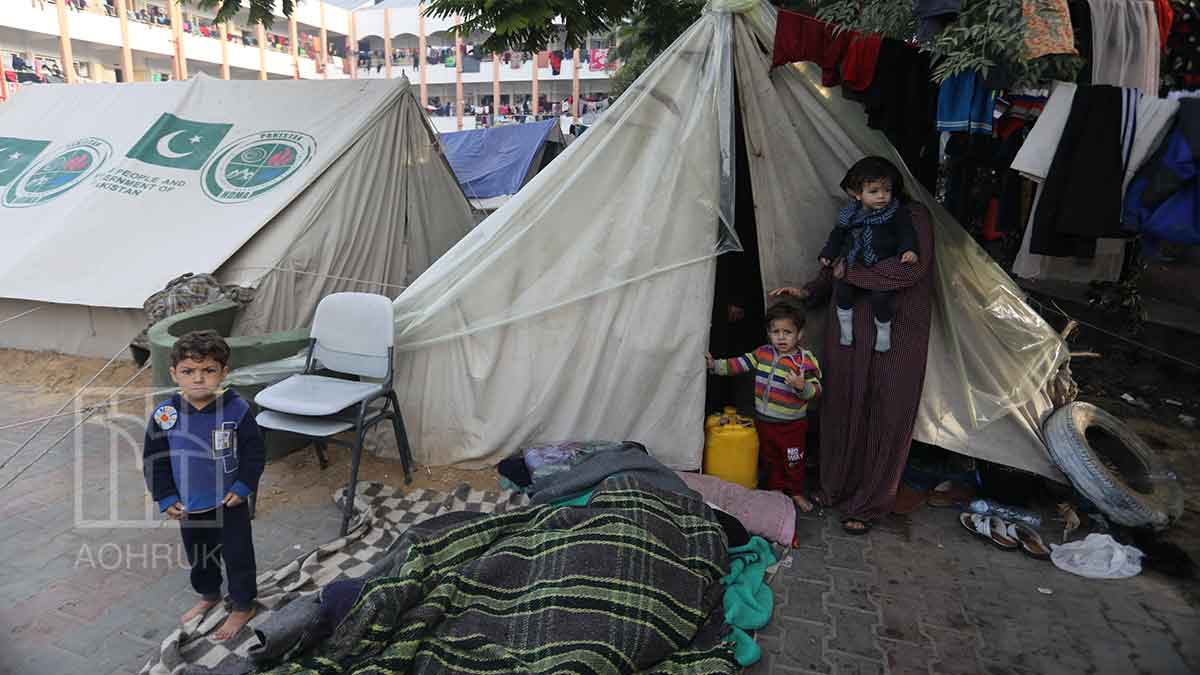
With every weather depression striking the Gaza Strip, the suffering of thousands of families who have lost their homes is renewed, as they continue to live for months in fragile tents that offer no protection from the summer heat or the winter cold.
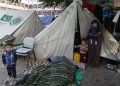
In this context, the heavy rainfall on Monday and early Tuesday once again flooded displacement tents, exposing the extreme vulnerability of civilians amid the ongoing assault and the paralysis of reconstruction efforts.
Rainwater inundated thousands of tents across multiple areas of the Strip, soaking clothing, blankets, and the few belongings displaced families possess, further compounding their hardship since the onset of the Israeli offensive on 7 October 2023.
The current weather system continues to impact large parts of Gaza, in the absence of basic living conditions, including adequate sanitation, insulated flooring, and suitable shelter materials.
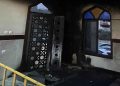
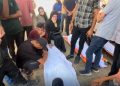
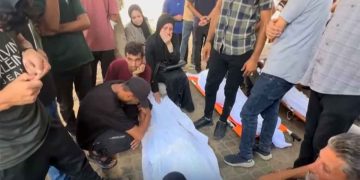
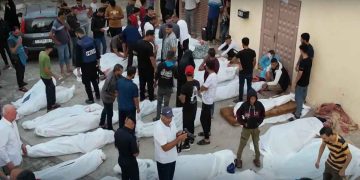
Fatalities have been reported following the collapse of damaged homes weakened by winter storms, while additional deaths, particularly among children and the elderly, have been recorded due to severe cold and the lack of heating. These conditions underscore the immediate risks to the right to life and physical safety of civilians.
Field medical data indicate increasingly dire conditions, with approximately 127,000 out of 135,000 tents now deemed uninhabitable. This means the overwhelming majority of displaced persons are living in temporary shelters that fail to meet even the minimum standards of adequate housing, including protection from the elements, privacy, and health safety.
Displaced families are also facing acute shortages of blankets and heating, with a deficit exceeding 70 percent across the Strip, rising further in remote and isolated areas lacking basic infrastructure and services. This exposes the most vulnerable groups, particularly children, the elderly, and persons with disabilities, to serious health complications amid limited medical capacity and a collapsing healthcare system.
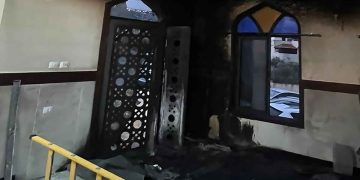
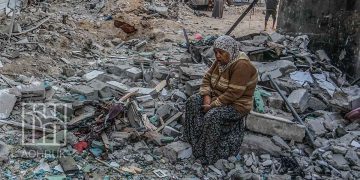
According to official Palestinian statistics, approximately 92 percent of residential buildings in Gaza have been either partially or completely destroyed, forcing the majority of the population into temporary shelters or leaving them in structurally unsafe homes at risk of collapse due to flooding and heavy rain.
Such widespread destruction constitutes a direct violation of the right to adequate housing, as protected under international human rights law. Moreover, the targeting or destruction of civilian property without imperative military necessity represents a grave breach of international humanitarian law.
Since 7 October 2023, Israeli occupation has been carrying out a large-scale military campaign in Gaza, resulting in more than 72,000 deaths and over 171,000 injuries among Palestinians, alongside extensive destruction of civilian infrastructure, including homes, healthcare facilities, educational institutions, and water and electricity networks.
Against this backdrop, the humanitarian crisis continues to deepen with each passing storm, leaving civilians, particularly the displaced, bearing the daily cost in their lives and fundamental rights.