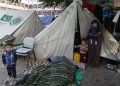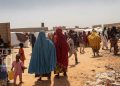
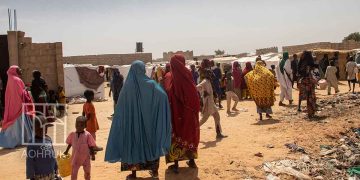
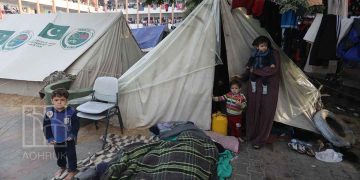








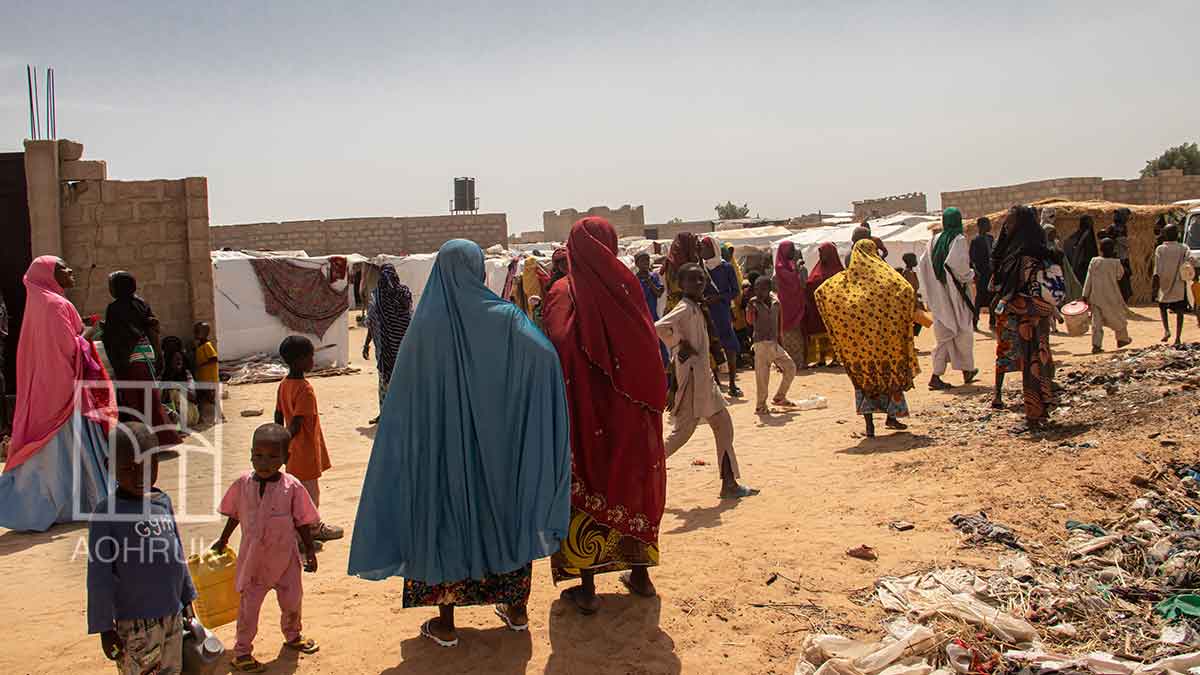
More than three thousand displaced people from the Mustariha area in North Darfur State are enduring dire humanitarian conditions, amid a total absence of shelter, food and safe drinking water, following attacks attributed to the Rapid Support Forces, according to the Sudan Doctors Network, an independent local body.
The network reported that families fled their homes without belongings or provisions after armed incursions, arson and looting, only to find themselves stranded in the open under life threatening conditions. The majority of those displaced are women, children and the elderly, in addition to pregnant women. The network warned of an urgent need for humanitarian intervention to provide shelter, medical care, food and potable water, in order to avert an imminent humanitarian catastrophe.
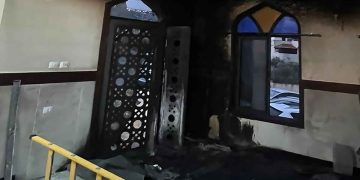
For its part, the International Organization for Migration stated that those displaced from Mustariha have dispersed across various sites within Kabkabiya locality in North Darfur State. Meanwhile, the Emergency Lawyers group reported that the attack involved armed raids and the burning of homes, preceded by drone strikes targeting civilian sites, including a health centre, a market and residential houses, resulting in deaths, injuries and the forced displacement of residents.
These developments unfold within the context of a non international armed conflict that has been ongoing since April 2023 between the Sudanese Armed Forces and the Rapid Support Forces. This classification engages the provisions of international humanitarian law, including Common Article 3 of the Geneva Conventions, which prohibits the targeting of civilians and attacks against their lives and physical integrity, as well as assaults on civilian objects.
The burning of homes, the looting of private property and the forcible displacement of residents constitute grave violations that may amount to war crimes if proven to have been committed deliberately or on a widespread scale. Likewise, targeting medical facilities or impeding their operation represents a clear breach of the special protection afforded under international humanitarian law to medical units and personnel.
Moreover, the forced displacement of civilian populations, in the absence of imperative military necessity, contravenes peremptory norms governing armed conflict and clashes with international human rights standards that guarantee the rights to adequate housing, food, water and health. These rights do not lapse even in times of emergency.
Since the outbreak of fighting in Sudan, humanitarian conditions have deteriorated to an unprecedented degree, with an estimated thirteen million people displaced internally and across borders, and tens of thousands killed, according to converging estimates. The fighting has been concentrated in the Darfur region, which bears a long history of mass violations, raising fears of a recurrence of patterns of large scale violence against civilians.
The Rapid Support Forces control most of the Darfur states, while the army retains parts of North Darfur and other areas of the country. Civilians thus remain trapped between front lines, amid restricted humanitarian access and complex security constraints.
Under international law, parties to the conflict bear an explicit obligation to protect civilians and to ensure unimpeded access for humanitarian assistance. Impunity for grave violations undermines prospects for peace and entrenches cycles of violence, necessitating effective accountability mechanisms, whether at the national or international level, to ensure that allegations are investigated and those responsible are held to account.
In light of the fragility of the situation in North Darfur, the need for urgent action appears pressing to safeguard civilians, halt attacks on residential areas and secure safe humanitarian corridors, preserving at least a minimum of human dignity for thousands of families left without shelter or sustenance in one of the most complex humanitarian crises in the world today.