



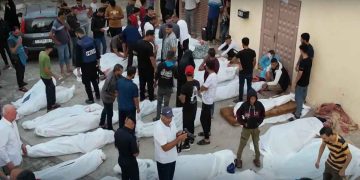






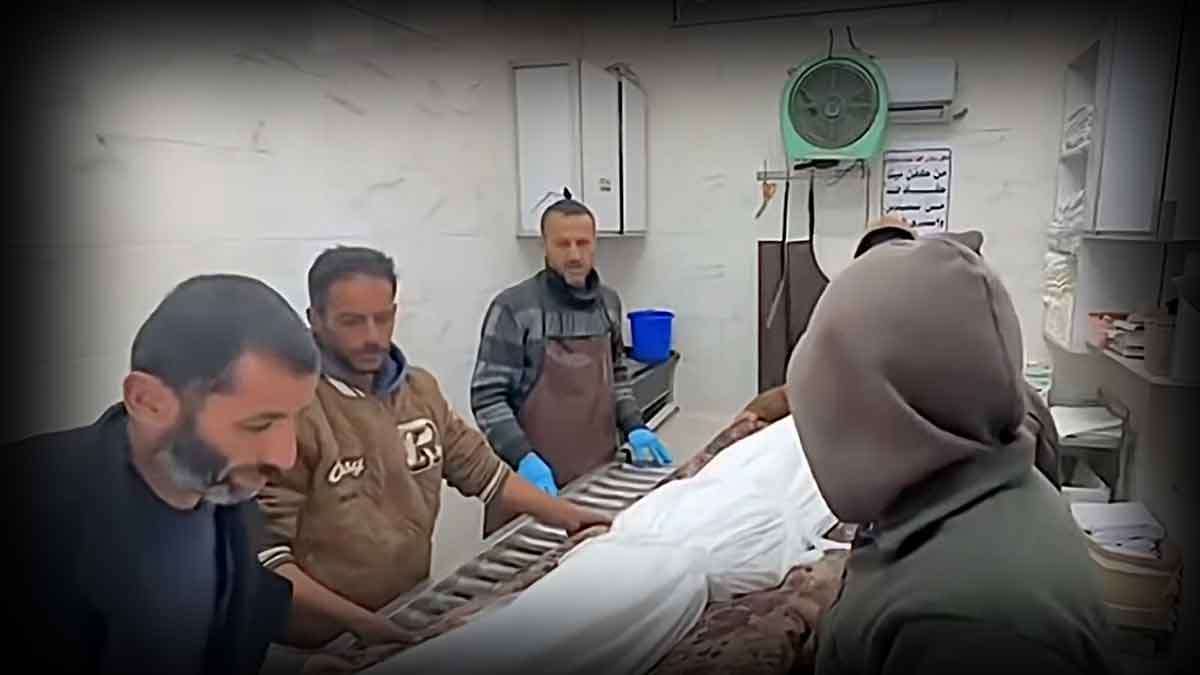
The number of Palestinians killed on Friday rose to six after Israeli gunfire and airstrikes targeted various areas across the Gaza Strip, even though the locations hit lie outside the areas of Israeli occupation military deployment under the ceasefire agreement.
Medical sources reported that Hossam Abu Khousa, 43, was shot and killed by Israeli occupation forces in the Atatra area of Beit Lahia in the northern Gaza Strip. Earlier, another Palestinian had been killed by Israeli fire in the same area in a separate incident.
In southern Gaza, three Palestinians were killed and others were injured when an airstrike targeted a civilian gathering in the Al-Mawasi area, west of Khan Younis. The strike occurred during the pre-dawn meal (suhoor) in the tenth day of Ramadan, a time typically marked by civilian gatherings.
In central Gaza, the Ministry of Interior and National Security announced that a police officer was killed and another seriously injured after an airstrike hit a police checkpoint on Salah al-Din Street at the entrance to Al-Bureij refugee camp.
Under international law, civilians are afforded full protection from direct targeting under the Geneva Conventions. Attacks that are indiscriminate or disproportionate, causing civilian harm that outweighs any anticipated military advantage, are strictly prohibited.
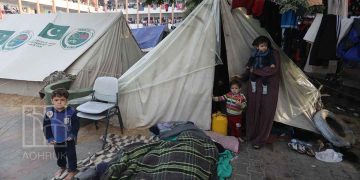
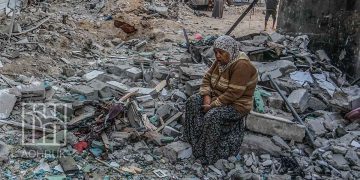
The ceasefire agreement followed two years of devastating war that began on October 8, 2023, resulting in the deaths of more than 72,000 Palestinians and injuries to over 171,000 others, the majority of them women and children. Approximately 90 percent of Gaza’s civilian infrastructure, including homes, hospitals, schools, and water and electricity networks, has been destroyed.
Since the ceasefire came into effect, violations have been reported almost daily, resulting in the deaths of 618 Palestinians and injuries to 1,663 others, according to local data. The continued loss of civilian life raises serious concerns about the effectiveness of monitoring and compliance mechanisms, and underscores the urgent need for prompt, independent, and transparent investigations into all incidents involving civilian casualties, as well as ensuring victims’ rights to justice and reparations.
International humanitarian law affirms that the protection of civilians is a non-derogable obligation, even during armed conflict. Any use of force must adhere to the principles of military necessity, proportionality, and precaution. In light of ongoing attacks, the international community bears responsibility to act to halt these violations and ensure accountability for those responsible.