













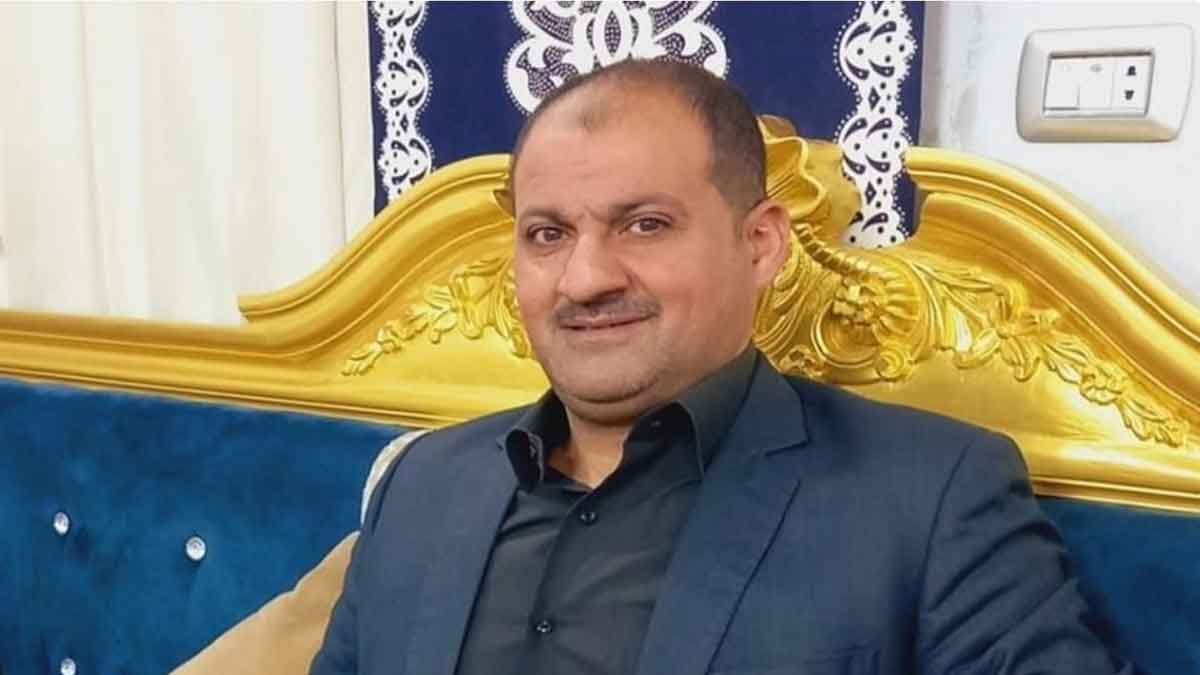
The Amman Magistrates’ Criminal Court has sentenced political activist Kamil Al-Zoubi to two years’ imprisonment in a case related to freedom of expression, following a previous one-year prison term he had already served.
These rulings come amid the continued prosecution of activists and journalists in Jordan for expressing their views online, raising serious concerns regarding the protection of freedom of expression as guaranteed under the Jordanian Constitution and international human rights law.
In a similar case, a Jordanian court sentenced detainee Daham Al-Amoush, who is currently in intensive care in critical condition under unclear circumstances in prison, to 12 years’ imprisonment with hard labour. The sentence was later reduced to eight years. The decision has prompted grave concerns regarding the right to life and access to adequate medical care, and raises serious questions under international legal and humanitarian standards.
International human rights law, including the International Covenant on Civil and Political Rights, affirms that all detained persons are entitled to necessary medical care and to the protection of their physical and mental integrity.
Jordanian law itself provides for the protection of prisoners and the obligation to ensure appropriate medical treatment. Imposing lengthy prison sentences on a detainee in critical medical condition raises concerns of inconsistency with both domestic legal obligations and international standards.
Human rights concerns have intensified following repeated attempts by Al-Amoush’s family to renew his passport to facilitate his transfer to Germany for medical treatment. Jordanian authorities reportedly refused to renew the passport on multiple occasions, effectively preventing him from seeking treatment abroad. Such measures raise serious issues regarding the right to health and freedom of movement, particularly in urgent humanitarian circumstances.
Taken together, these cases reflect a continuing pattern of restrictions on freedom of expression in Jordan, where cybercrime legislation and security measures are increasingly used to prosecute activists and critics. The reliance on broadly framed legal provisions to pursue dissenting voices raises broader concerns regarding adherence to principles of the rule of law, judicial fairness, and accountability.