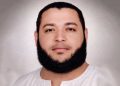
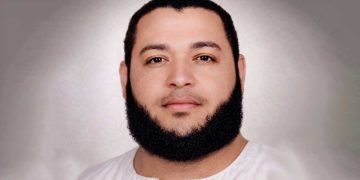










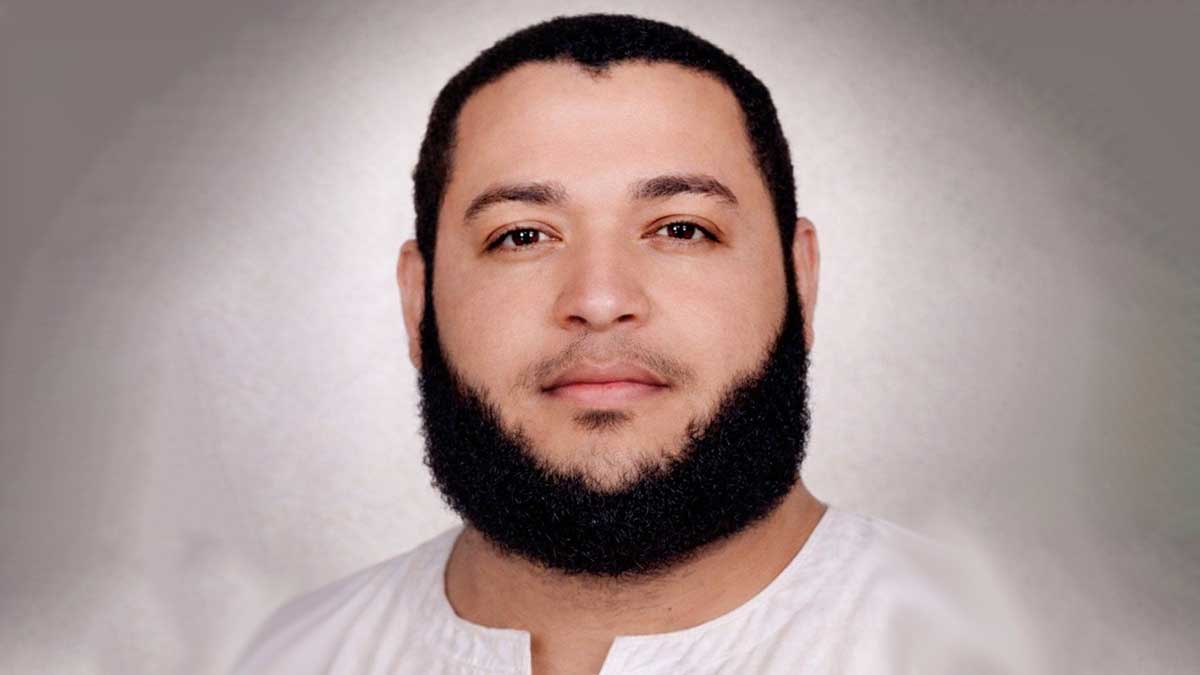
Egyptian detainee Ibrahim Hashem El-Sayed died in Minya Maximum Security Prison at the age of 43, shortly after performing the Taraweeh prayer, having spent 11 years in detention since his arrest in 2014 while serving a 15-year prison sentence.
El-Sayed, originally from the city of Abu Suwayr in Ismailia Governorate, was a teacher and a Qur’an instructor. He had served 11 years of his 15-year sentence since his arrest in 2014.
His death inside a high-security prison has raised serious concerns regarding the adequacy of medical care and monitoring in detention facilities, particularly given the legal responsibility of the detaining authority to ensure the safety and well-being of prisoners.
El-Sayed’s death in custody constitutes a grave violation of international conventions ratified by Egypt, including the International Covenant on Civil and Political Rights, which guarantees the right to life and protection from cruel or inhuman treatment, as well as the Convention against Torture, which prohibits all forms of deliberate medical neglect.
The state bears direct responsibility for the lives of those it detains, and any failure to provide adequate medical care or respond to emergencies may constitute a legal violation and an international crime.
El-Sayed’s death occurs within a broader pattern of abuses that suggests a systematic policy of neglect and mistreatment of detainees, leading in some cases to death, whether the prisoners are political detainees, criminal defendants, or individuals detained for economic or social reasons.
This case requires an independent and transparent judicial investigation, including granting the family full access to the official forensic medical report and conducting a comprehensive review of healthcare conditions within prisons, particularly in maximum-security detention units. Those responsible for any negligence or misconduct must be held accountable to ensure that prisoners’ lives do not become hostages to repressive policies.