

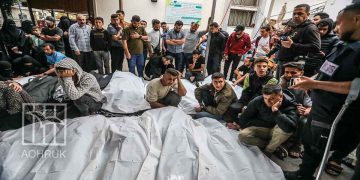













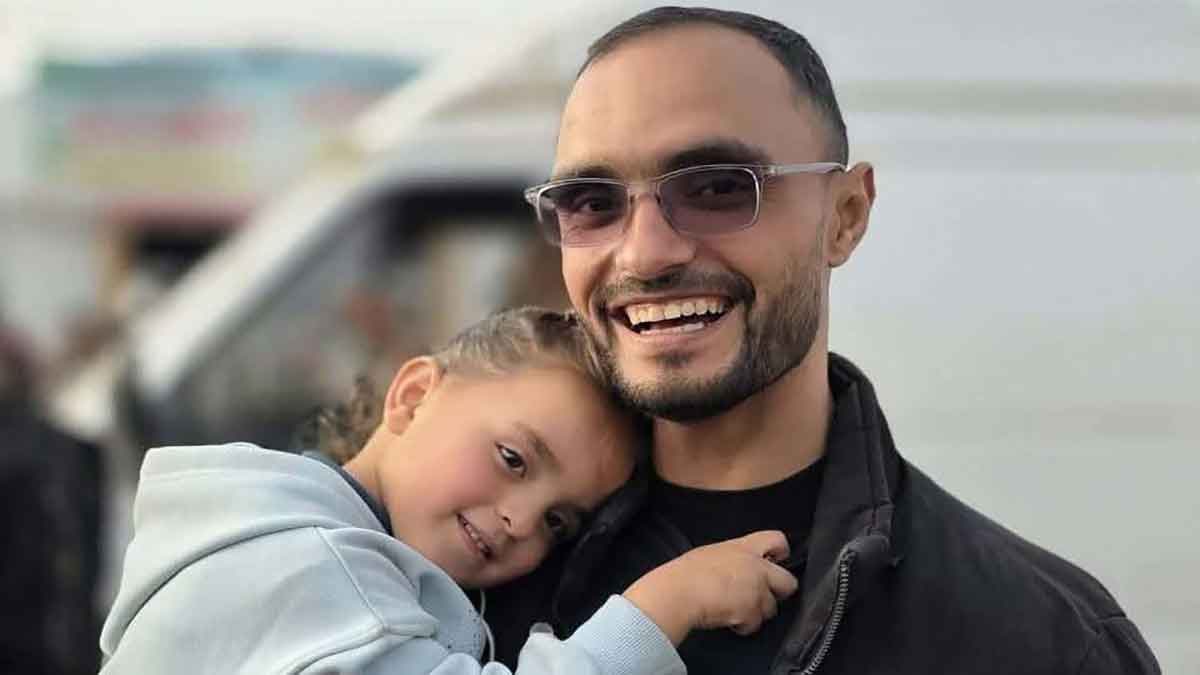
As part of its ongoing aggression against the Gaza Strip, Israeli occupation forces killed a young Palestinian man and critically injured his daughter on Saturday in a bombing in the center of Khan Younis, in the southern Gaza Strip.
A medical source reported that Ahmed Muhammad al-Qudra, 34, was killed in the bombing, while his daughter, Julia, sustained critical injuries. Her exact age was not disclosed.
Eyewitnesses stated that an Israeli drone targeted al-Qudra with at least one missile in an area outside the deployment zone stipulated by the ceasefire agreement.
Since the ceasefire agreement came into effect until Thursday evening, the continuous bombing and gunfire have resulted in the deaths of 636 Palestinians and injuries to 1,704 others.
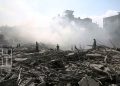
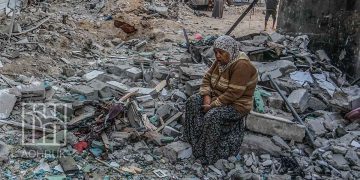
This comes against the backdrop of a long history of brutal aggression against Gaza, launched by the Israeli occupation on October 7, 2013, with US support. This aggression has resulted in over 72,000 deaths and approximately 172,000 injuries, as well as the destruction of nearly 90 percent of civilian infrastructure, with reconstruction costs estimated at around $70 billion, according to the United Nations.
Civilians are supposed to enjoy absolute protection from direct targeting under the Geneva Conventions, which prohibit indiscriminate or disproportionate attacks that would cause civilian casualties exceeding any anticipated military advantage.
The continued loss of Palestinian lives raises questions about the effectiveness of monitoring and enforcement mechanisms and underscores the need for immediate, independent, and transparent investigations into all incidents in which civilians are killed, while ensuring the victims’ right to justice and reparation.
International humanitarian law affirms that the protection of civilians is an unconditional obligation, even during armed conflict, and that any use of force must be governed by the principles of military necessity, proportionality, and precaution. With these incidents continuing despite the ceasefire, concerns are deepening that the agreement is turning into a mere formality that does not provide effective protection for the civilian population, at a time when the humanitarian crisis in the Gaza Strip is worsening in an unprecedented manner.