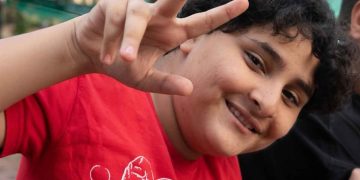

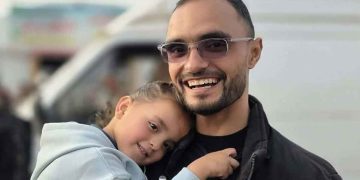
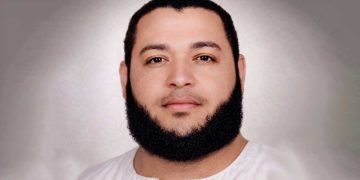







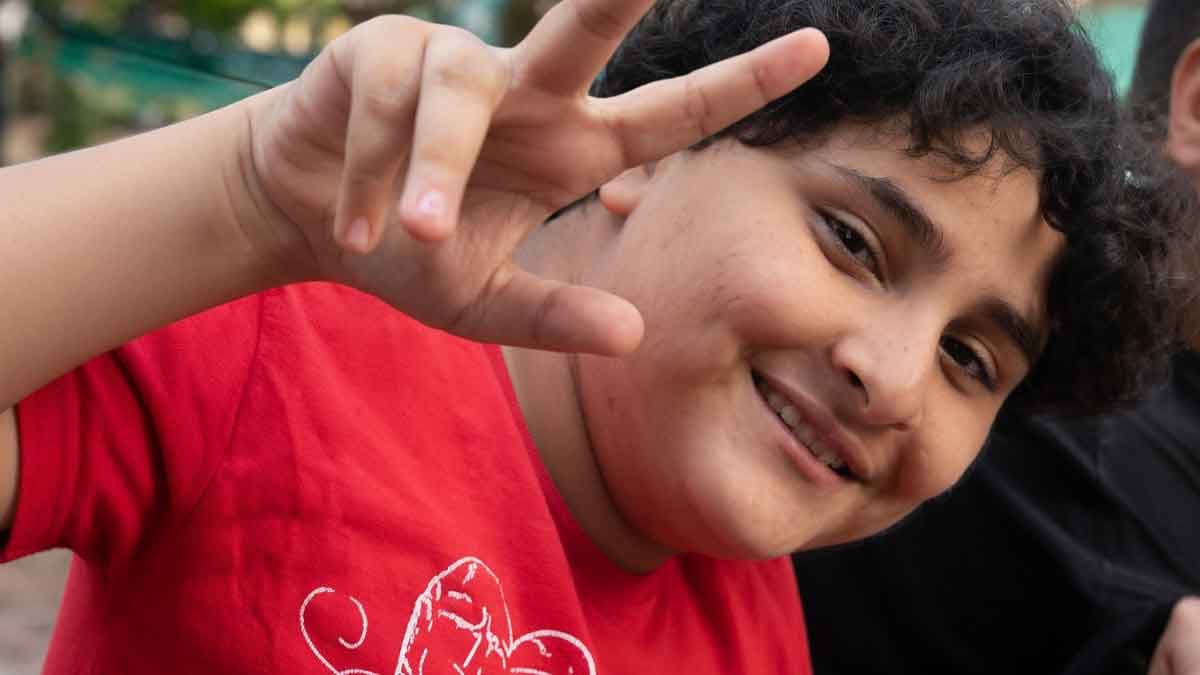
The family of detained Egyptian child Mohamed Khaled Gomaa Abdel Aziz, 17, has endured a severe ordeal after a full year has passed since his arrest on charges of joining a terrorist group, with little regard for his fundamental human and legal rights.
Before his arrest, Mohamed was a diligent and high-achieving student. However, his detention has disrupted his education, forcing him to repeat the third preparatory year, highlighting the direct impact of detention on his academic future as well as his psychological and social development.
The family’s suffering has been compounded by the death of Mohamed’s father just two months before his arrest. His mother, now the sole provider, is left without a stable source of income and struggles to secure the most basic needs for the family, including the expenses related to Mohamed’s detention. In addition, the family faces further hardship as their landlord has demanded that they vacate their flat due to their inability to pay rent, deepening their humanitarian crisis.
The detention of a minor for an entire year, particularly under such difficult social circumstances, constitutes a clear violation of international child rights law, including the Convention on the Rights of the Child, which obliges states to protect minors from arbitrary detention and to ensure that the best interests of the child are prioritised in all judicial proceedings.
Moreover, Mohamed’s continued detention without adequate safeguards or consideration of his humanitarian circumstances contradicts fundamental principles of international human rights law, which prohibit arbitrary detention and stress that the detention of children must be used only as a last resort and for the shortest possible time, while ensuring conditions that safeguard their psychological and physical development.
Mohamed Khaled’s situation represents a genuine humanitarian case that calls for urgent judicial review of his detention and for his immediate release, whether on bail or through alternative non-custodial measures, while ensuring the continuation of his education and providing psychological and social support for him and his family.
Releasing Mohamed Khaled is both a humanitarian and legal obligation that would protect the child’s future and dignity, while affirming the state’s commitment to justice and human rights principles.