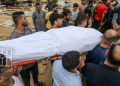

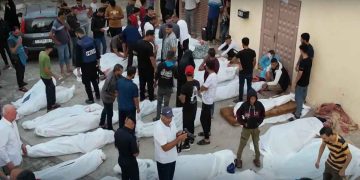






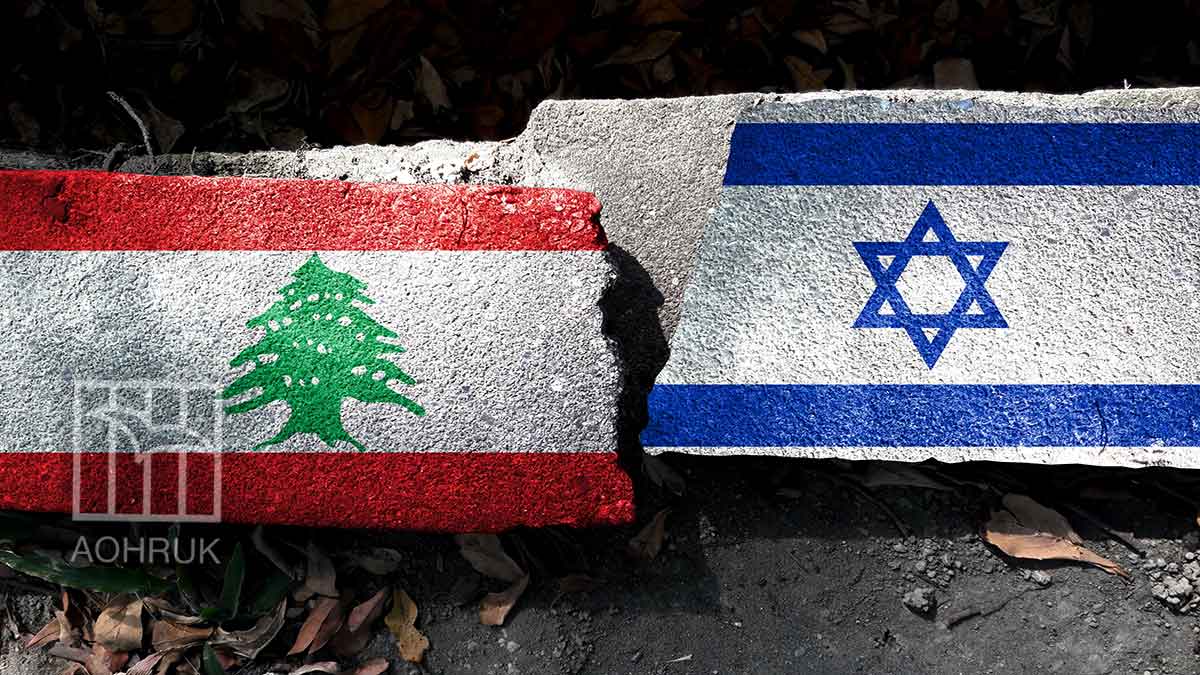
The death toll from the Israeli aggression against Lebanon has risen to 1,021, with 2,641 wounded, between March 2 and March 20, according to the Lebanese Ministry of Health in Beirut.
The daily report stated that 20 people were killed and 57 others wounded in the last 24 hours, amid widespread aerial and artillery bombardment targeting populated areas.
The strikes included several cities and towns in the south, including Nabatieh, Naqoura, Marjeyoun, Khiam, and Aita al-Shaab. Explosions were also heard, and warplanes broke the sound barrier over the capital and its suburbs, deepening the panic among civilians.
These figures reflect a dangerous pattern of attacks that directly and repeatedly target civilians, clearly indicating a grave failure to adhere to the principle of distinction, and bordering on the unlawful targeting of civilians.
The intensity and scale of the strikes raise serious concerns about a violation of the principle of proportionality. The damage inflicted on civilians and infrastructure appears to far outweigh any potential military gains, amounting to grave violations explicitly prohibited under international humanitarian law.
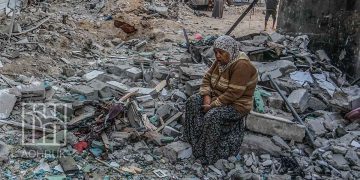
The bombing of populated towns and civilian areas directly threatens the lives of residents and undermines their ability to survive, especially given the potential damage to vital facilities such as hospitals, water networks, and electricity grids. Furthermore, the use of sonic booms to spread terror over residential areas cannot be separated from a broader context of collective psychological pressure on civilians.
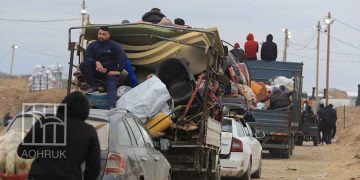
These crimes lead to increasing waves of displacement and place additional obstacles in the way of humanitarian aid, exacerbating the suffering of the population and transforming the crisis into a complex humanitarian catastrophe.
In light of these facts, the situation is not merely a matter of potential violations, but rather constitutes grave breaches that warrant international accountability. Attacks that fail to distinguish between civilians and combatants, or that cause excessive harm, may fall under the category of prohibited acts that warrant investigation and accountability.
The continuation of this pattern of operations without accountability threatens to entrench a culture of impunity and undermines the protection that international law is supposed to provide to civilians during times of conflict.
In light of this escalation, there is an urgent need for an immediate cessation of attacks targeting civilian areas and for ensuring the protection of the population, as this is a legal obligation that brooks no interpretation or delay.