








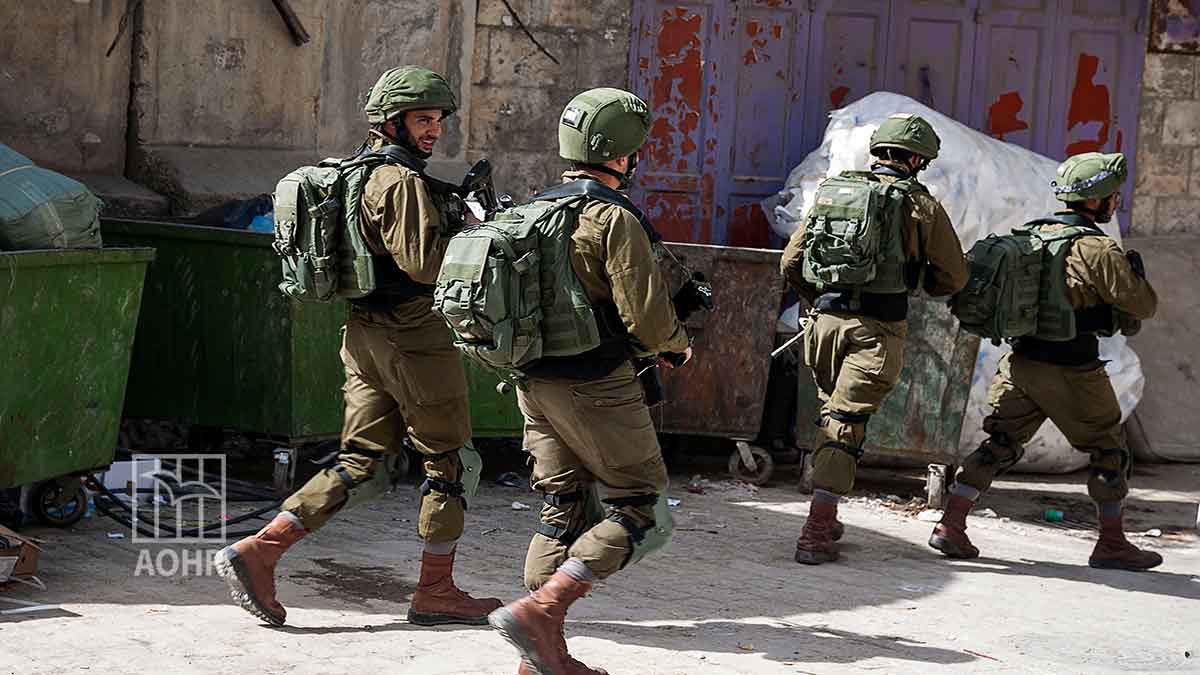
Israeli occupation forces detained 32 Palestinians at dawn on Thursday during widespread raids across the occupied West Bank, including in Jerusalem. Among those arrested were a child, a former member of the Legislative Council, and several previously released prisoners.
The arrests were accompanied by home raids, searches, and vandalism of property, as part of near-daily night-time incursions by Israeli occupation forces targeting various segments of the population, including minors and elected political figures.
These arrests form part of a broader policy that undermines numerous fundamental rights enshrined in international humanitarian and human rights law, chief among them the right to liberty and personal security, the inviolability of homes, guarantees of fair trial, and the special legal protection afforded to children as a vulnerable group requiring prioritisation of their best interests.
Furthermore, the arrest of former elected officials and released prisoners raises legal concerns regarding political freedom, the right to public participation, and the principle of protection from double jeopardy or repeated prosecution for the same alleged conduct, principles rooted in modern legal systems and affirmed by relevant international conventions.
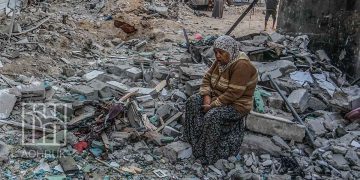
This campaign comes amid a marked escalation in arrests across the West Bank since the outbreak of war on the Gaza Strip in October 2023. The expansion of security measures has encompassed killings, detentions, forced displacement, and settlement expansion, developments widely viewed by Palestinians as part of a trajectory threatening the demographic and legal fabric of the occupied territories.
Estimates suggest that during this period, more than 1,112 Palestinians have been killed and approximately 11,500 wounded in the West Bank alone. Over 21,000 arrests have also been recorded, figures that, from a human rights perspective, reflect a systematic pattern of collective restrictions on civilians. These developments raise serious legal questions regarding the principles of proportionality, the prohibition of collective punishment, and the obligation to protect civilians under international law.