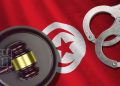













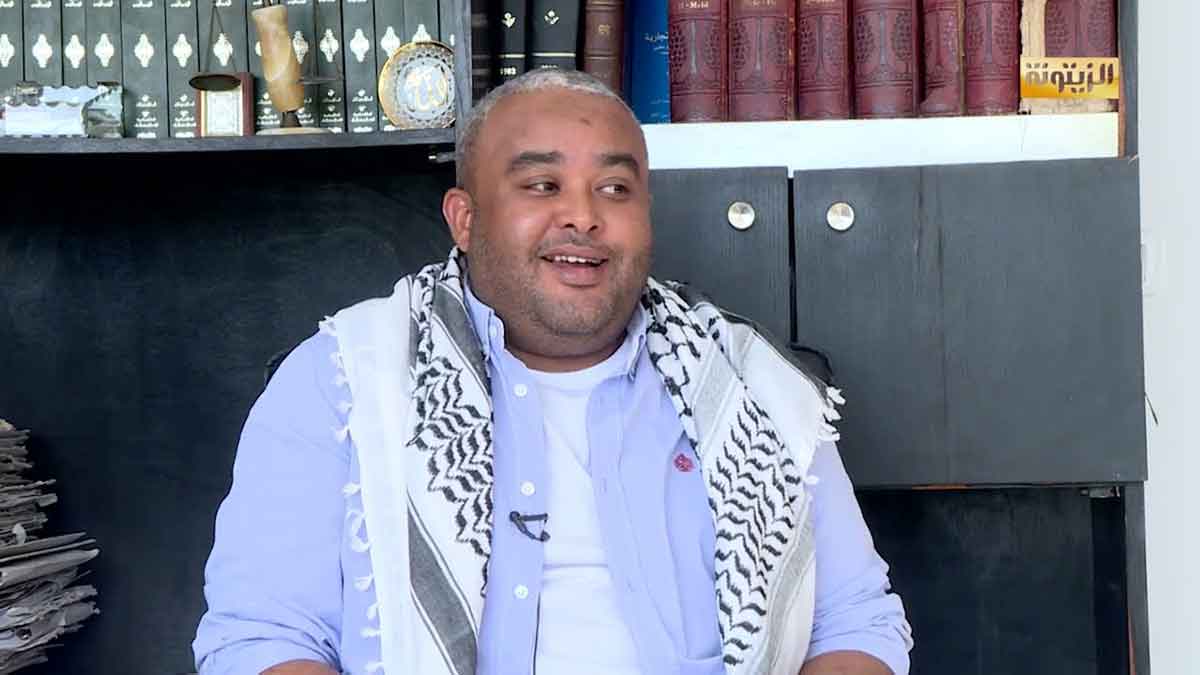
Tunisian authorities have arrested dismissed judge Hisham Khaled following his criticism of President Kais Saied’s policies through posts published on social media.
The public prosecution issued three separate prison committal orders against him simultaneously after questioning him in connection with three distinct case files, reflecting a clear escalation in the targeting of individuals critical of those in power.
This move comes just two days after the imprisonment of former MP Ahmed Al-Sa’idani on similar charges related to satirical online posts critical of the president, reinforcing indications of a systematic pattern aimed at silencing political and media opposition voices in Tunisia.
Hisham Khaled is being prosecuted on charges of “insulting others via public telecommunications networks”, a vague accusation that allows for selective application to suppress criticism. The penalties attached — including prison sentences of up to two years and financial fines — appear to function as a political pressure tool rather than as genuine legal protection against defamation.
The background of the case reveals that Khaled was among 57 judges dismissed by presidential decrees since July 2022, within the framework of the exceptional measures announced by President Saied to expand his governing powers. Although the Administrative Court annulled the majority of those dismissal decisions, the authorities have failed to issue instructions to reinstate the affected judges. This reflects institutional disregard for judicial rulings and reinforces concerns that dismissals and prosecutions are being used as tools of political pressure and retaliation against critics.
Imprisoning individuals for expressing opinions or publishing posts online constitutes a clear violation of freedom of expression, a right guaranteed under the International Covenant on Civil and Political Rights, to which Tunisia is a state party.
The use of criminal law to prosecute judges and political opponents aligns with practices in which the judiciary is instrumentalised as a means of repression, placing Tunisia on a path of regression from the democratic gains achieved after the revolution.
The arrest of dismissed judge Hisham Khaled reflects a broader shift towards authoritarian governance that suppresses criticism and targets independent judges and public figures, underscoring the urgent need for close monitoring of human rights on the ground, the protection of judicial independence, and the safeguarding of freedom of expression for all citizens.