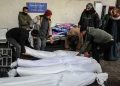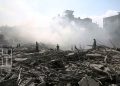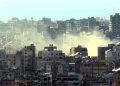
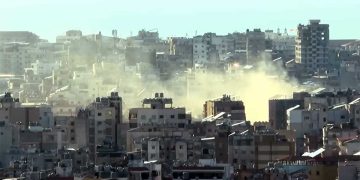

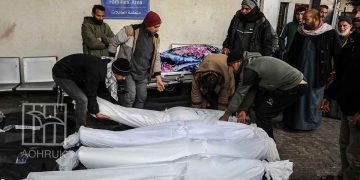









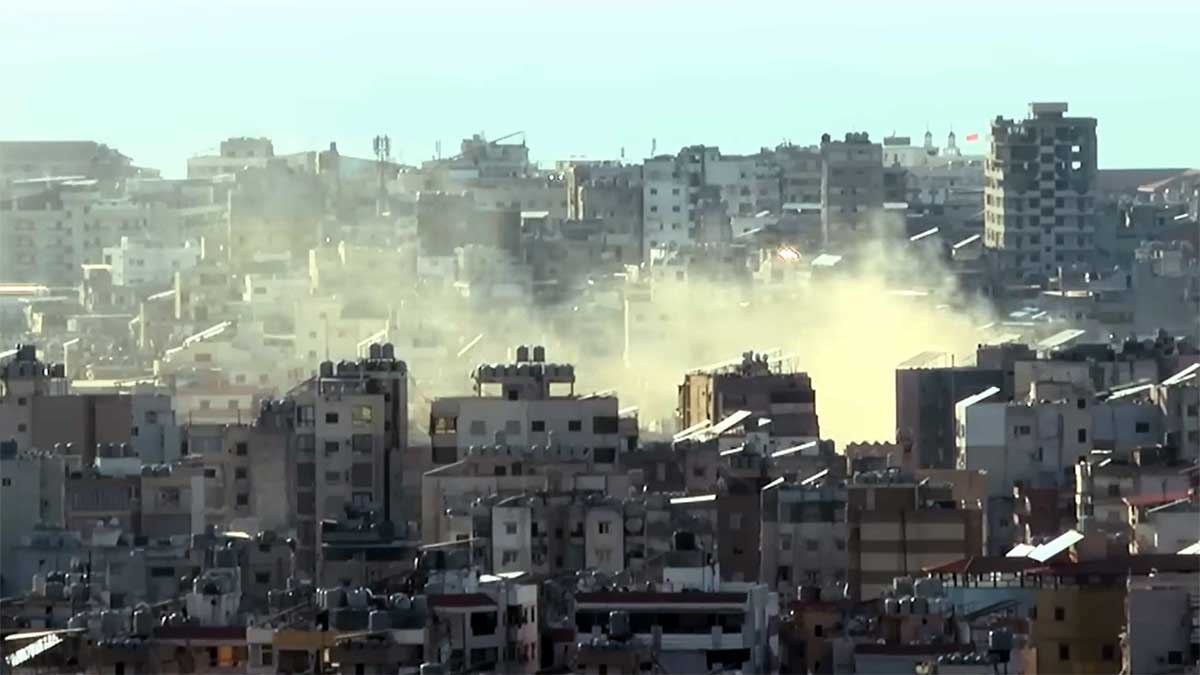
At least 21 Lebanese civilians were killed and 26 others injured on Wednesday after Israeli occupation forces carried out a series of airstrikes on multiple areas across Lebanon, marking a new escalation in the country’s humanitarian and security situation.
Local sources reported that the strikes targeted the towns of Hanawiya, Shaabiya, Qana, and Al-Housh in the Tyre district; Tebnine in Bint Jbeil district; as well as Sharqiya, Kfartabnit, Jibshit, Arabsalim, Nabatieh, Zallaya, and the Hay Al-Lailaki area in Beirut’s southern suburb. An apartment in the Aisha Bakkar neighborhood in central Beirut was also struck.
The attacks resulted in multiple casualties among civilians and rescue workers. In Hanawiya, three people were killed, including a paramedic. One person was killed and two others injured in Zallaya, while another person was killed and eight were wounded in Al-Housh.
In Qana, the airstrikes killed five people and injured five others. Three young men were killed in Sharqiya while inside their home, and a paramedic was killed in Kfartabnit.
Additional strikes in Shaabiya killed six people and injured seven others. A drone strike on Mahmoud Faqih Street in Nabatieh killed one person, while four others were wounded in Tebnine.
This escalation represents a serious violation of international humanitarian law, which strictly prohibits the deliberate targeting of civilians and obligates warring parties to protect civilian populations and infrastructure.
The continued bombardment has raised serious concerns about potential crimes against humanity, particularly if attacks on densely populated civilian areas continue and result in high civilian casualties.
Since the broader escalation in Lebanon began in early March, more than 570 people have been killed and 1,444 injured, while over 759,000 people have been displaced. The growing humanitarian toll has prompted urgent calls for international intervention to protect civilians and pressure Israeli occupation forces to comply with international law.
International law requires all states involved in military operations to respect human rights and international humanitarian law, avoid attacks that harm civilians or destroy essential infrastructure such as homes, hospitals, and medical centers, and ensure accountability for violations.