









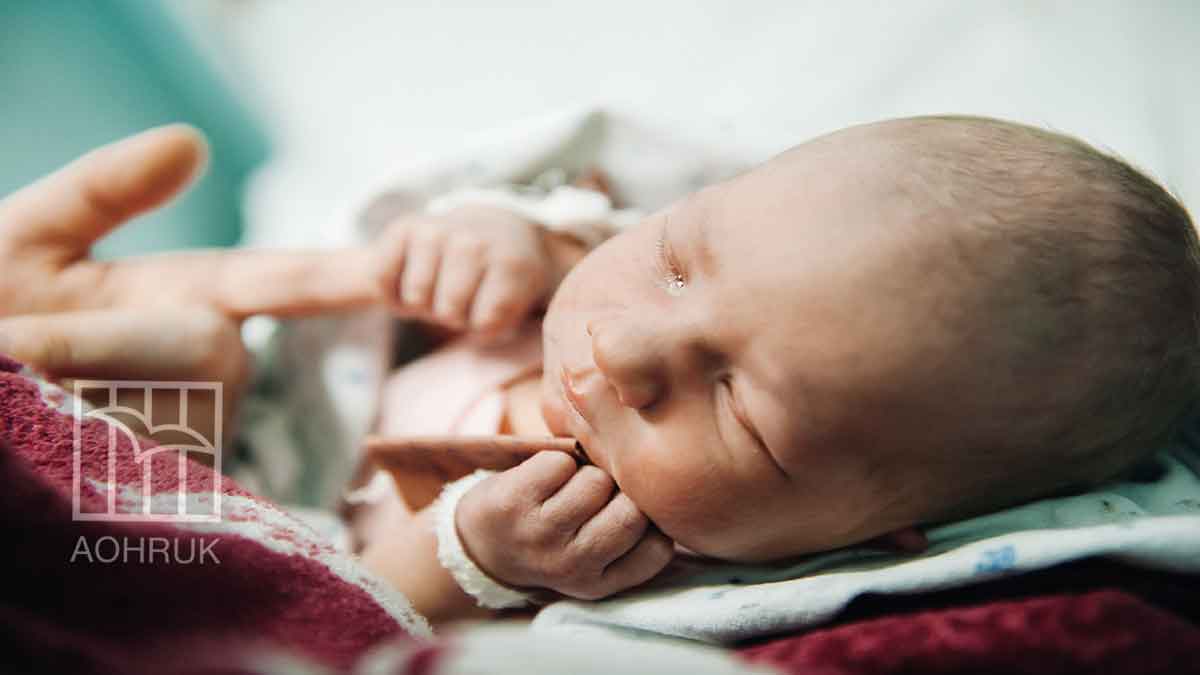
A one-month-old Palestinian infant died on Thursday as a result of the severe drop in temperatures in the Gaza Strip, in an incident that once again casts a harsh light on the deepening humanitarian catastrophe facing the population, particularly newborn children, amid the absence of adequate shelter and heating.
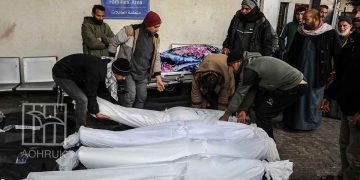
Gaza’s Ministry of Health announced that the infant, Saeed Asaad Abdeen, succumbed to extreme cold, bringing the number of deaths that have reached hospitals due to the recent cold front and harsh weather conditions to 13.
Medical sources reported that the child was transferred to hospital in critical condition. Doctors attempted to resuscitate him, but their efforts failed due to the acute and dangerous drop in his body temperature.
This death comes amid repeated warnings of threats to the lives of thousands of newborn infants living in temporary tents, especially in coastal areas, where shelters are exposed to strong winds, high humidity, and sharply falling temperatures, in the near-total absence of heating equipment and basic necessities needed for protection from the cold.
These incidents raise fundamental questions about the occupying power’s responsibility to protect the civilian population under its effective control. International humanitarian law, particularly the Geneva Conventions, imposes a clear obligation to ensure a minimum standard of dignified living for civilians and to secure their basic needs, including shelter, healthcare, and protection from foreseeable dangers, especially for the most vulnerable groups, such as children, the sick, and the elderly.
Moreover, preventing or obstructing the entry of shelter materials and heating supplies, or failing to implement declared humanitarian arrangements, constitutes a grave dereliction of the duty of protection, turning natural conditions such as cold and rain into direct threats to life. In the case of infants, exposure to hypothermia is not an incidental risk, but a foreseeable consequence of coercive living conditions imposed on families who have lost their homes and sources of safety.
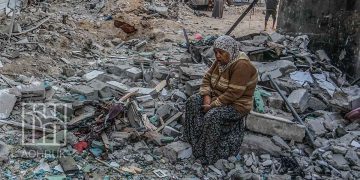
Hundreds of thousands of displaced people in the Gaza Strip are enduring extremely harsh conditions after their homes were destroyed and they were forcibly displaced, amid a severe shortage of blankets, winter clothing, and heating means, alongside a broad deterioration in health services and infrastructure. With the onset of winter, the risks to children’s lives multiply, in the absence of sustainable solutions or urgent and effective interventions.
The severity of the crisis is further compounded by the occupying power’s failure to honour humanitarian commitments announced as part of the ceasefire arrangements on 10 October last year, including the entry of shelter materials, tents, and mobile homes—leaving tens of thousands of families directly exposed to cold and rain.
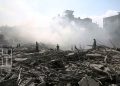
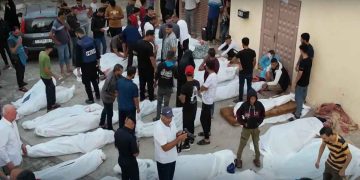
These developments unfold against the backdrop of what has been described as a genocidal war waged by the occupying power on the Gaza Strip since 8 October 2023, which continued for two years and resulted in more than 70,000 deaths and over 171,000 injuries, the majority of them women and children, in addition to widespread destruction affecting approximately 90 per cent of civilian infrastructure.
In this context, the deaths of children due to cold cannot be separated from the broader set of policies that have led to the collapse of protection and care systems, rendering the most basic rights, foremost among them the right to life, subject to daily violation.