



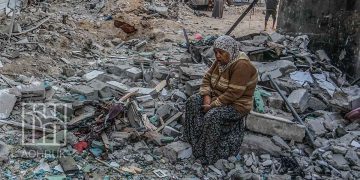

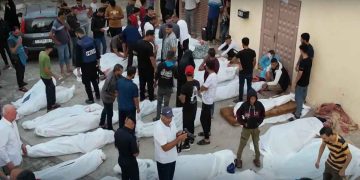







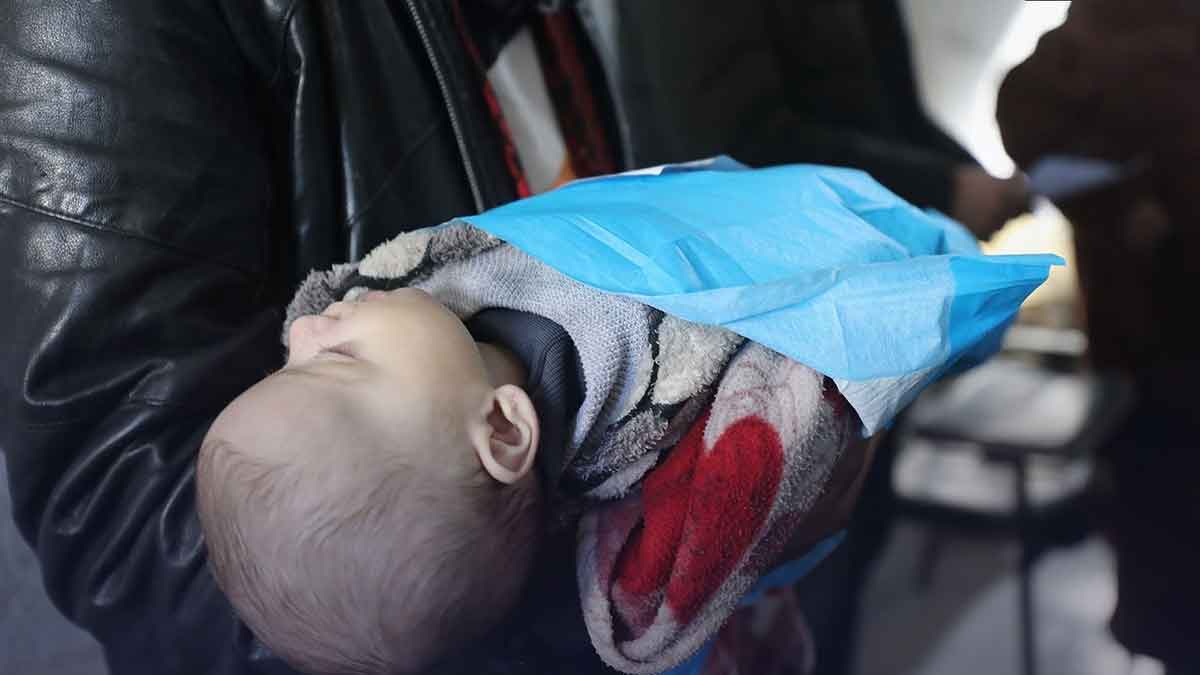
In one of the most harrowing images of the ongoing humanitarian catastrophe, the cold weather in the Gaza Strip has become a deadly threat to children, amid the collapse of basic living conditions and the continued deprivation of civilians from safe shelter and heating. The harsh climate now poses an added threat to the right to life.
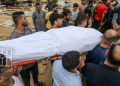
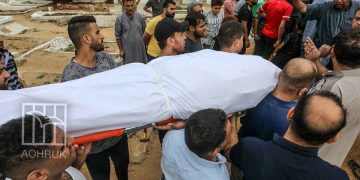
On Tuesday, an infant girl died in Gaza City due to the biting cold currently affecting the Strip, in the context of rapidly deteriorating humanitarian conditions and a severe lack of essential protective measures.
According to available information, seven-month-old Shatha Abu Jarad passed away as temperatures dropped significantly, while thousands of families remain unable to provide even minimal warmth for their children.
Her death brings the number of children who have died from extreme cold in Gaza this winter to nine, a grave indicator of the deepening humanitarian crisis and the vulnerability of infants and children living in makeshift tents that offer no protection from the cold or rain.
These recurring tragedies represent a clear violation of children’s fundamental rights, chief among them the right to life, an adequate standard of living, and protection from extreme weather. These rights are enshrined in international human rights and humanitarian law, especially in the context of armed conflict and occupation.
Residents of the Gaza Strip, especially the displaced, live in conditions that fall far below the minimum standards of adequate shelter, with almost no access to heating due to severe fuel shortages, widespread destruction of infrastructure, and restrictions that hinder the entry of sufficient humanitarian aid.
Storms and cold spells have only exacerbated the suffering of families forced to live in dilapidated tents or damaged buildings unfit for human habitation.
The death of children due to cold is a direct reflection of an imposed humanitarian reality, where the population is denied protection and care. As the occupying power, Israeli occupation bears legal responsibility to ensure civilians’ needs, including shelter, fuel, and healthcare, are met in line with international obligations.
This repeated tragedy underscores the failure to provide effective humanitarian protection and highlights how ongoing aid restrictions have turned the winter weather into yet another deadly weapon against children, who should be the most protected, not the most at risk of silent death.