

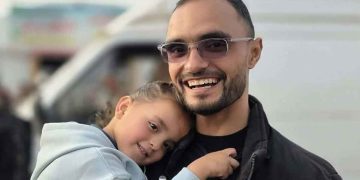











Palestinian detainee Sakhr Ahmad Zaoul, aged 26, from the town of Husan in Bethlehem Governorate in the occupied West Bank, has died while in custody in Israeli occupation prisons, after months of administrative detention without charge or trial.
Zaoul had been detained since 11 June 2025 and was held in Ofer Prison before his death in custody was announced.
Available information indicates that Zaoul’s death occurred within a harsh detention regime imposed on Palestinian detainees, characterised by torture, starvation, medical neglect, and conditions that fall far below minimum humanitarian standards. These violations form a recurring pattern that leads to severe health deterioration and effectively turns prisons into environments posing a direct threat to life.
Administrative detention is an exceptional measure that should be strictly time-limited and subject to rigorous judicial oversight. In practice, however, it is used in an open-ended and arbitrary manner, depriving detainees of the right to know the accusations against them or to defend themselves.
This systematic deprivation, combined with torture and ill-treatment, constitutes a serious violation of international humanitarian law and the rules governing the protection of detainees, amounting to cruel, inhuman, and degrading treatment.
From the perspective of responsibility, the detaining authority bears a full legal obligation to protect the lives of detainees, ensure their physical and psychological integrity, and provide necessary medical care. Failure to do so — or deliberate disregard of these duties — places direct responsibility on prison administrations and supervising authorities, rendering deaths in custody a foreseeable consequence of policies rooted in neglect and collective punishment.
The death of Sakhr Zaoul adds to a heavy record of Palestinian detainees who have died in Israeli occupation prisons since 1967, which, according to available data, has reached 323 detainees whose identities are known. Since the start of the genocidal war on the Gaza Strip, more than 100 detainees and prisoners have died, with the identities of 86 confirmed — including 50 from Gaza — signalling a grave escalation in violations inside prisons.
The continued occurrence of such cases without effective accountability entrenches a culture of impunity and undermines the very foundations of international justice. What happened to Sakhr Zaoul is not merely a death in detention, but the direct result of a detention policy operating outside the rule of law. It demands serious international action to end prison violations, ensure the protection of detainees, and reaffirm the fundamental right to life and human dignity, even behind bars.