













The Egyptian Terrorism Criminal Court at the Badr Courts Complex decided on Monday to renew the detention of six defendants, including a child aged just 16, for a further 45 days in connection with Case No. 1644 of 2024 (Supreme State Security).
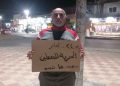
The case involves a labour unionist and a photojournalist, all of whom face charges of “joining a terrorist organisation”, “spreading false news”, and “calling for unlawful assembly”. The accusations stem from their hanging banners in the streets of Alexandria expressing support for the Palestinian cause, as well as posting a video on Instagram under the name “Free, Resist”.
The placement of a child in a juvenile care facility, alongside the court’s refusal to grant release to the defendants, has raised serious questions about the extent to which Egyptian law respects citizens’ fundamental rights, particularly the rights to freedom of expression and peaceful assembly. The actions attributed to these young people constitute a form of peaceful political and social expression, a right protected under international law and enshrined in Egypt’s own legal frameworks, provided it does not involve incitement to violence or terrorism.
Concerns are further heightened as the renewal hearing was conducted. The session took place via video conference, without any new investigations and without allowing the defendants or their lawyers to address the court. Such an approach points to significant deficiencies in fair trial guarantees and the right to defence. Moreover, their arrest at dawn on 28 April from their homes, without a judicial warrant, represents a clear violation of basic legal procedures designed to safeguard citizens against arbitrary detention.
This case has renewed fears over the authorities’ reliance on vague and sweeping charges such as “joining a terrorist organisation” and “spreading false news” as tools to suppress any form of dissent, even when it concerns positions that enjoy broad popular support, such as solidarity with the Palestinian people.
The detention of a child under these circumstances constitutes a stark indication of a wholesale disregard for children’s rights, in direct contradiction of the state’s national and international obligations to protect juveniles.
Taken together, these measures reflect a marked escalation in the curtailment of fundamental freedoms and raise serious questions about citizens’ ability to exercise their rights to expression and peaceful assembly without fear of prosecution or arbitrary punishment.
The case exposes a troubling departure from the legal principles meant to protect citizens, illustrating how the mere expression of solidarity with a just cause can be transformed into a criminal offense, thus placing Egypt before a genuine test of its commitment to fundamental human rights.