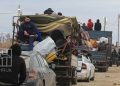

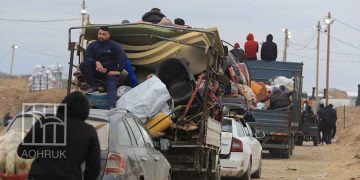
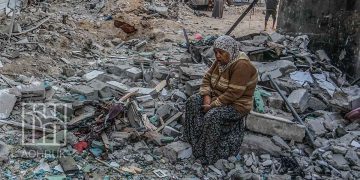
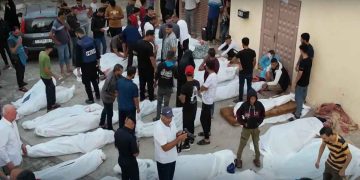








Amid the escalating armed conflict in Sudan, civilians continue to bear the brunt of ongoing violence. In this context, the International Organization for Migration (IOM) has reported the displacement of 750 individuals from the city of Dilling in South Kordofan State due to insecurity over the past two days.
According to the IOM, the displaced persons have moved to the city of Ar Rahad in North Kordofan, while the situation in the region remains extremely tense and volatile.
This displacement occurs in the midst of continued clashes between the Sudanese army and the Rapid Support Forces (RSF), which have affected the three Kordofan states since October 2025. These clashes have already led to the displacement of tens of thousands of civilians. As of 27 January, the IOM recorded more than 88,000 displaced individuals over just two months.
This repeated displacement is part of a broader humanitarian crisis that includes potential violations of the right to life, the protection of civilians during armed conflict, and the guarantee of humanitarian access to food, shelter, and medical care.
The ongoing fighting between government forces and armed militias raises serious concerns about both parties’ commitment to international humanitarian law, including the Geneva Conventions, which aim to safeguard civilians in times of war and set out minimum standards for the treatment of internally displaced persons.
Forced displacement is a clear indicator of the state’s failure to uphold its obligations to protect the rights of its citizens, particularly the right to personal security and a dignified life. Furthermore, such displacement could place legal responsibility on the warring parties if they are found to have carried out indiscriminate attacks on civilians or imposed sieges that obstruct humanitarian aid.
It is worth noting that the current conflict in Kordofan initially erupted in April 2023, following the RSF’s refusal to integrate into the regular military establishment. This refusal sparked widespread violence, deteriorated the humanitarian situation, led to famine, and caused the deaths of tens of thousands of Sudanese, along with the displacement of nearly 13 million people both internally and externally.
The current reality underscores the urgent need to protect civilians and ensure their humanitarian rights under international law. It also highlights the necessity for international intervention to support conflict-monitoring mechanisms, deliver humanitarian assistance, and prevent the escalation of violations that could amount to war crimes or crimes against humanity if left unaddressed.