









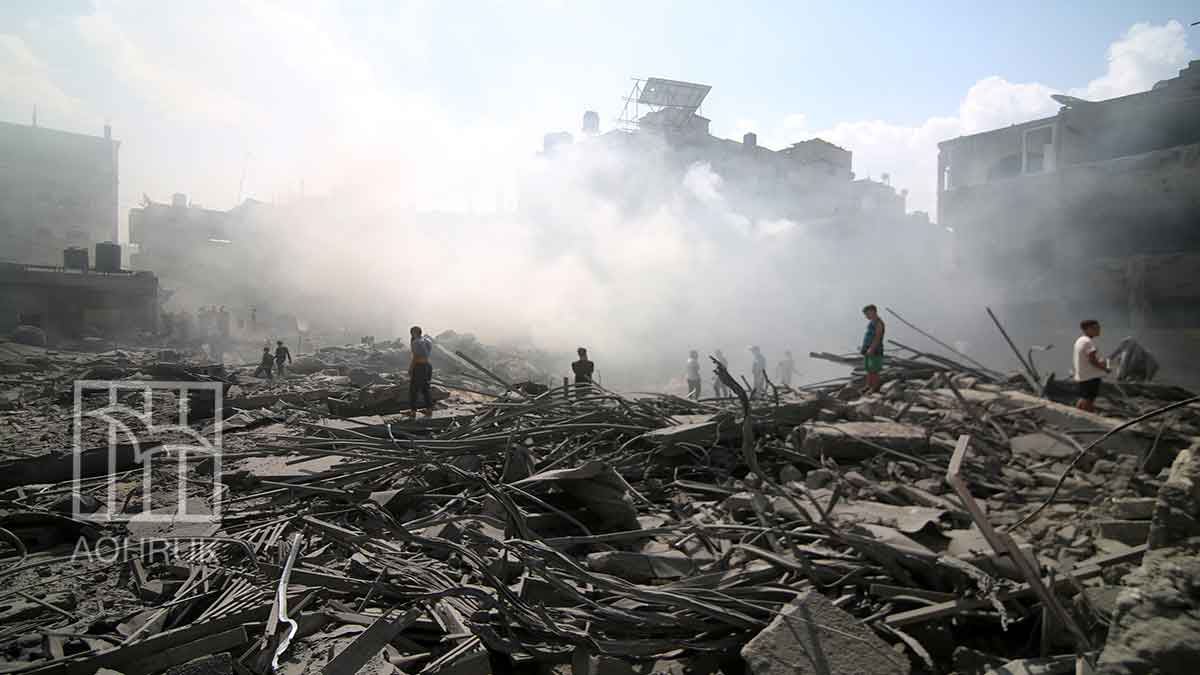
In a renewed escalation raising concerns over widening violations against civilians, 31 people were killed and 149 others injured early on Monday following air strikes carried out by Israeli warplanes on Beirut’s southern suburbs and several towns and areas in southern Lebanon.
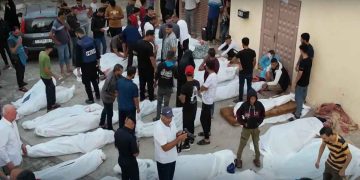
According to Lebanon’s Public Health Emergency Operations Centre at the Ministry of Public Health, the preliminary toll from the strikes on the southern suburbs and southern regions stands at 31 fatalities and 149 injuries, with figures expected to rise.
The heaviest bombardment targeted Beirut’s southern suburbs, where 20 people were killed and 91 wounded. In southern towns, 11 others were killed and 58 injured.
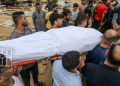
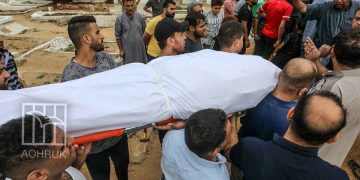
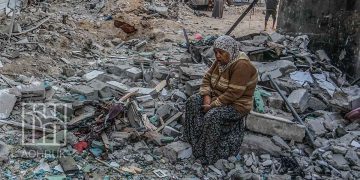
Initial reports indicate that the strikes hit densely populated residential areas, causing widespread destruction to homes and damage to civilian infrastructure, while search and rescue operations continued into the morning hours.
This escalation constitutes a grave breach of international humanitarian law, particularly the principles of distinction and proportionality, which form the cornerstone of civilian protection in armed conflict. The targeting of populated residential areas, coupled with the high number of casualties, reflects a clear failure to distinguish between civilians and combatants, as well as between civilian objects and military targets.
Moreover, the scale of harm inflicted in a densely populated civilian environment raises serious concerns regarding compliance with the principle of proportionality, which prohibits attacks expected to cause excessive civilian damage in relation to any anticipated military advantage.
Parties to a conflict are legally obliged to take all feasible precautions to minimise harm to civilians, including the choice of means and methods of warfare.
The protection of civilians is not a matter of political discretion but an absolute legal obligation that cannot be overridden under any justification, whether military retaliation or pre-emptive action. The targeting of civilian infrastructure further constitutes a serious violation of protected objects and may amount to grave breaches warranting international accountability.
This development comes amid ongoing escalation along the Lebanese front, where civilians continue to bear the brunt of repeated bombardments, at a time when the country is already grappling with severe economic and social crises.
As rescue operations continue and debris is cleared, the death toll is expected to rise, with growing fears of further displacement.
Against this backdrop, the targeting of residential areas represents a direct assault on the rights to life and security, underscoring the urgent need for decisive international action to halt violations and uphold the rules of international law designed to protect civilians in times of conflict.