















Severe and alarming escalation has unfolded in Prison 440 in Wadi al-Natrun over recent days, after a police and National Security force accompanied by guards and informants carried out a violent assault on three political detainees inside Ward 2.
What began as an inspection of Room 7 (A) on Wednesday afternoon quickly turned into a brutal crackdown marked by insults, verbal abuse, and the stripping away of basic rights.
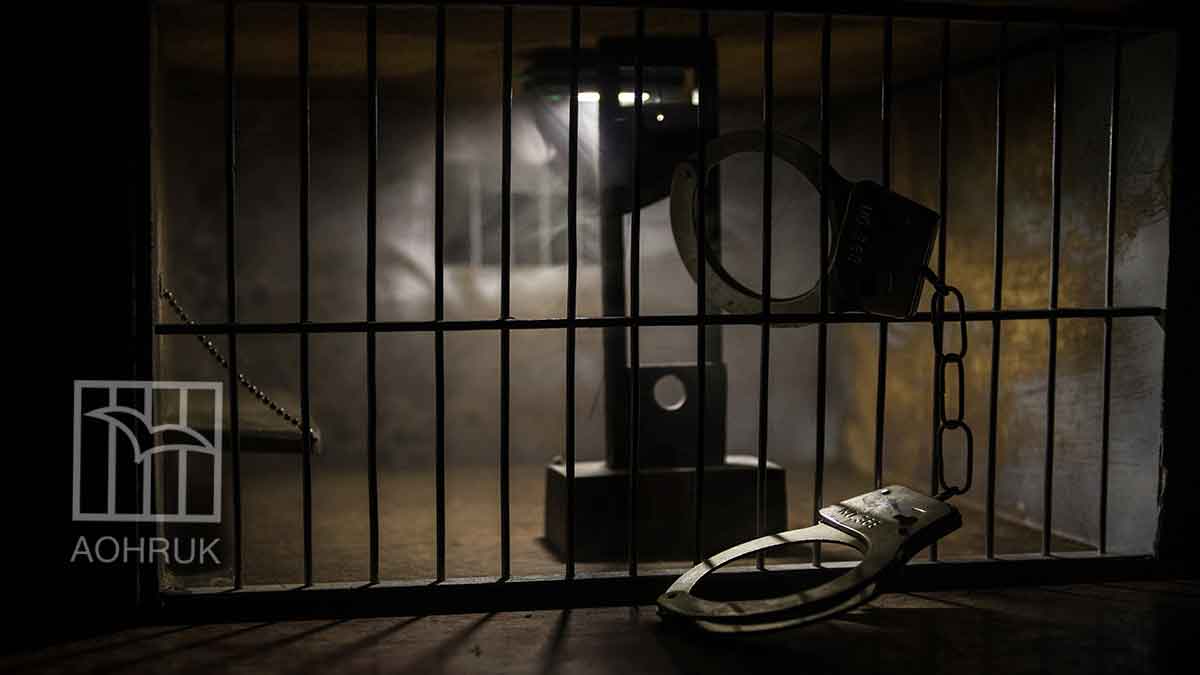
According to the information received, the three detainees were subjected to severe beatings with batons and electric stun sticks. They were forcibly stripped of their clothing, their hands bound behind their backs, before being dragged to disciplinary cells where they have since been held without water, food, or clothing, in extremely harsh health conditions despite some of them suffering chronic illnesses such as hypertension and diabetes. Other inmates in the room were dispersed to different cells amid threats of transfer to remote prisons or further ill-treatment.
Those assaulted were identified as:
Abd al-Jid Radwan Abd al-Hamid ‘Amara and Salah Salah Abd al-’Ati Yusuf, both from Monufia, and Yasser Muhammad Abd al-Rahim Bar’i from Ismailia. All three have been detained since the dispersal of the Rabaa sit-in in August 2013.
The assault and the subsequent punitive measures have triggered widespread anger inside the prison, particularly after routine visits to other wards were suspended and detainees were threatened with harsher disciplinary action.
Available indications suggest the prison administration is operating on a principle of collective punishment, using solitary confinement as a tool to subjugate inmates and silence any objection to mistreatment.
Mounting tension inside the prison has pushed a number of detainees to prepare for an open-ended hunger strike beginning Saturday morning, in protest at what they describe as escalating and grave abuses, demanding an end to the assaults, the return of the three detainees to their cells, and the guarantee of minimum rights protected by law and by international standards on the treatment of prisoners.
The described assaults constitute a flagrant violation of the state’s legal obligations, as both Egyptian law and the constitution prohibit subjecting any detainee to torture or to cruel, inhuman, or degrading treatment.
The UN Standard Minimum Rules for the Treatment of Prisoners (the Nelson Mandela Rules) similarly affirm the detainee’s right to physical safety, prohibit degrading punishment, require the provision of water, food, and medical care, and consider prolonged solitary confinement a form of ill-treatment.
Yet the events inside Prison 440 reveal a systematic practice built on the use of excessive force, the deprivation of detainees’ most basic needs, and the imposition of conditions that openly contravene national and international legal standards placing the lives and health of those held there in immediate danger.