







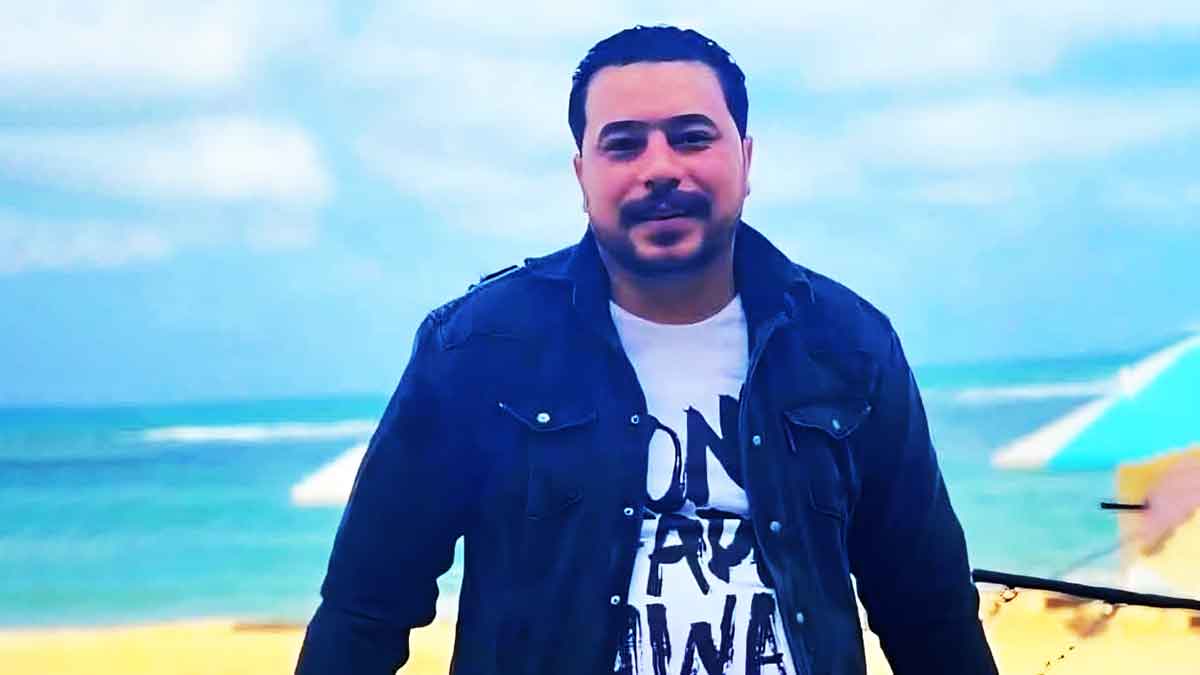
Egyptian citizen Khalil Mohamed Abu Heba, 35, died inside a police station on the outskirts of Cairo only hours after being taken into custody; a development that raises profound suspicion about what transpired behind the walls of the detention facility, particularly in light of his family’s accounts alleging he was subjected to violence prior to his death.
Abu Heba, a father of four from the city of Mahalla al-Kubra who worked in the car-trading business, was arrested on 8 October before news of his death was announced shortly thereafter.
According to his family and eyewitnesses, Investigations Assistant Ahmed Rifaat al-Saidi detained Khalil while he was sitting in a well-known café, searching him without finding anything in his possession.
Witnesses say the officer treated him in a degrading manner and demanded the keys to his car. When Khalil refused due to the officer’s coercive behaviour, he was handcuffed by force, the key was taken from his pocket, and he was transported to the police station with the help of plainclothes informants.
The family states that Khalil entered the station fully conscious and able to move. Only minutes earlier, he was seen pleading with his lawyer, saying: “Help me… they’ve taken me for nothing,” indicating that no contraband or evidence had been found to justify his arrest. Yet barely half an hour later, the family received news that he had died.
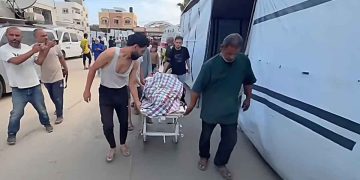
According to what they later saw, his body was transferred out of the station showing signs suspected to result from beating and electric shocks, with no record of any ambulance call or attempt to notify his family as his condition deteriorated. Nevertheless, the prosecutor’s report registered the death as a cardiac arrest, omitting any mention of visible physical marks or the extremely short interval between detention and death.
In a video statement, the young man’s father accused the Egyptian authorities of killing his son under torture, insisting he had seen clear signs of abuse on the body.
The gap between the physical evidence observed and the official characterisation of the death raises serious questions about how the incident has been handled, and whether attempts were made to minimise or conceal indicators of potential criminal responsibility inside the police station.
Any death in custody constitutes a direct responsibility of the authority that exercises control over a detainee’s life and freedom of movement. The law obliges the authorities to safeguard detainees’ wellbeing, provide immediate medical care, notify families of any health emergency, and preserve all evidence relating to conditions of detention.
The law further prohibits any form of torture or degrading treatment of individuals in custody, and considers violations within detention sites an assault on bodily integrity and a threat to the right to life. The danger becomes more acute when an ambiguous official cause of death contradicts the facts available.
Given the extremely short timeline between detention and death, coupled with the presence of bodily indicators that arouse suspicion, an independent and transparent judicial investigation becomes an imperative to uncover what happened inside the police station, and hold accountable anyone involved in detaining Khalil without apparent legal grounds, assaulting him, or covering up the circumstances of his death.
The publication of the full forensic report, without omission or alteration, and enabling the family to exercise their legal rights are essential, as is ensuring that no recordings or documents related to the incident are tampered with.
As of the time of publication, Egypt’s Ministry of Interior has issued no comment, leaving pressing questions unanswered about how Khalil Mohamed Abu Heba died, and how citizens can be protected from the recurrence of such incidents inside facilities meant to ensure public safety, not to extinguish lives.