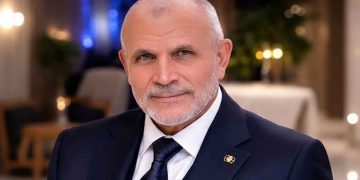










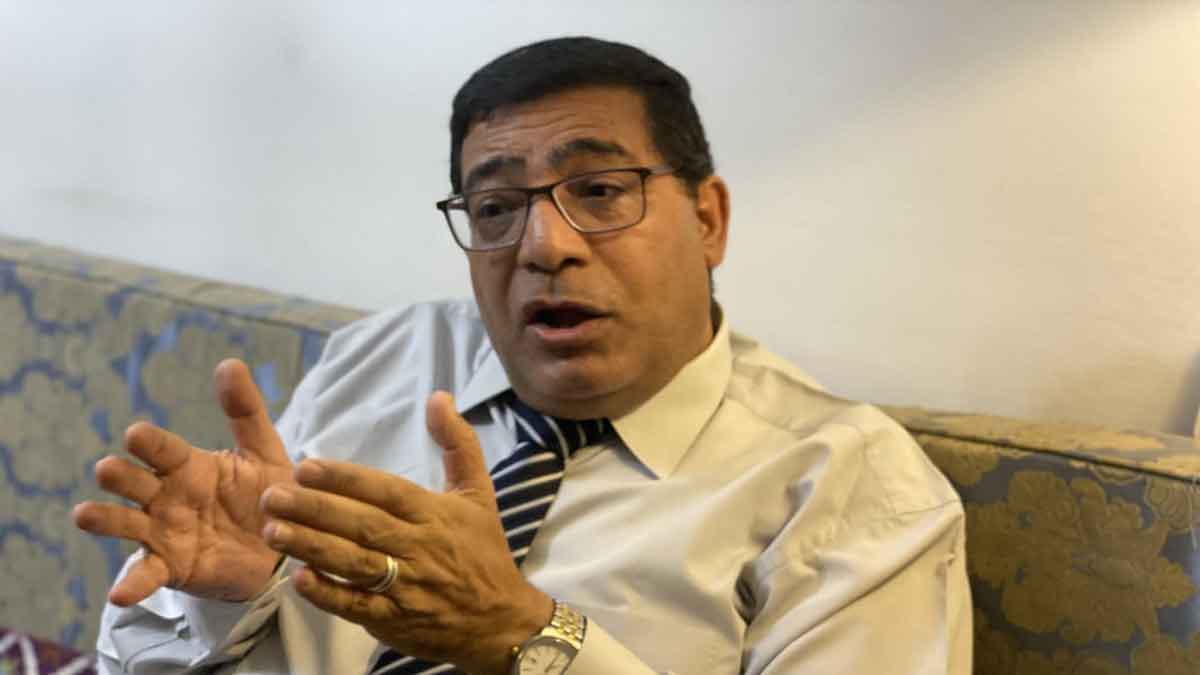
An Egyptian court has upheld a five-year prison sentence against prominent economist Abdel Khalek Farouk, rejecting his appeal in Case No. 4527 of 2025 (El Shorouk Misdemeanours Appeal), linked to Supreme State Security Case No. 4937 of 2024. The ruling has been described by observers as a fresh escalation in the targeting of critical voices in the economic and intellectual spheres.
Farouk, 67, faces charges including “joining a terrorist organisation, spreading false news and statements, misuse of social media, and incitement against the state and its leadership”. According to the case file, these accusations stem from his economic articles and research, which offered critical analysis of government economic policies over recent years.
Investigative documents indicate that the case relied on more than 40 articles published by Farouk in 2023 and 2024. These writings included direct criticism of the President and official institutions, and addressed issues such as the management of public funds, major national projects, resource allocation, and the role of sovereign institutions in the economy. Notably, these writings fall squarely within the realm of public debate on economic policy, raising legal questions about the criminalisation of opinion and academic analysis.
The ruling has reignited serious concerns over respect for the rights to freedom of expression, academic research, and access to information, which are fundamental rights guaranteed by the Egyptian Constitution and international treaties to which Egypt is a party. International legal frameworks affirm that peaceful criticism of authorities and public policies, even when sharply expressed, is an integral part of public discourse and should not be criminalised or treated as a security threat.
The use of State Security cases to prosecute writers and researchers also raises concerns regarding fair trial guarantees, particularly when charges are linked solely to written intellectual work, without any association with acts of violence or direct incitement thereto.
During questioning before the Supreme State Security Prosecution, Farouk submitted repeated complaints about his detention conditions, stating that he has suffered recurrent cardiac episodes due to coronary artery disease and inadequate medical care at Tenth of Ramadan Prison. He reported being held in a closed cell for up to 23 hours a day, while being denied regular exercise and necessary treatment.
His lawyers said he had been transferred twice to the prison hospital in recent months following severe cardiac attacks, warning that his continued detention under such conditions poses a real threat to his life and violates the minimum standards for the treatment of prisoners, which emphasise the provision of appropriate healthcare, particularly for elderly detainees and those with chronic illnesses.
The case recalls Farouk’s arrest in October 2018 following the publication of his book Is Egypt Really a Poor Country?, in which he examined economic conditions and debt policies, before being released days later. His lawyers argue that the current case follows the same pattern, asserting that what he is facing does not constitute criminal accountability but rather an effort to suppress critical thought and independent economic research.
The continued prosecution of researchers and experts over their opinions and analyses has a detrimental impact on the climate of public freedoms in Egypt and undermines the possibility of meaningful societal debate on economic and living conditions, at a time when the country is grappling with mounting economic challenges affecting the lives of millions.