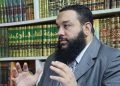
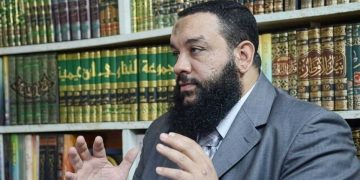















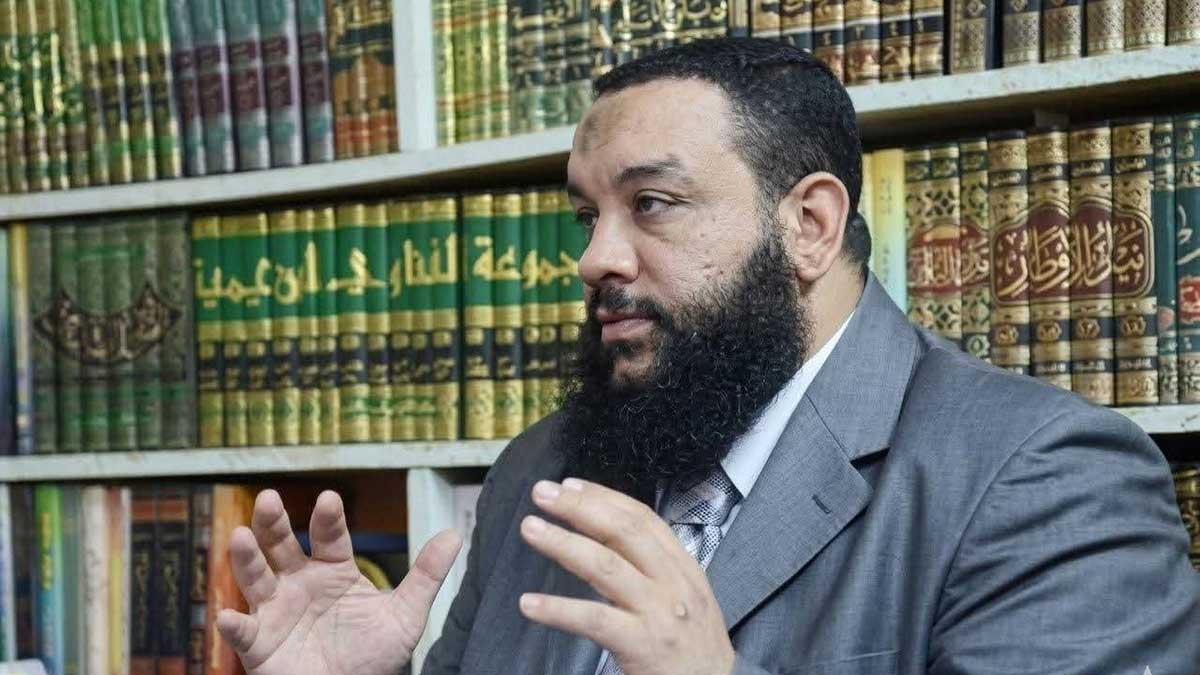
Egyptian lawyer Gamal Saber Mohamed Mostafa, 55, a former coordinator of the “Hazem Must Go” movement, died in Wadi El-Natroun prison after years of detention. His death has reignited concerns about the conditions of Egyptian prisons and the associated abuses.
Saber, originally from the Rod El-Farag district of Cairo, was arrested on March 19, 2013, in connection with the case known in the media as the Shubra events. He remained in detention for nearly 13 consecutive years.
Saber died in his cell in the “Rehabilitation 5” section of Wadi El-Natroun prison after his health deteriorated. He was accused of medical negligence amidst harsh detention conditions that have long drawn widespread criticism from human rights organizations.
This death has once again brought to the forefront the issue of healthcare within Egyptian detention facilities, a matter that raises growing concerns about the safety of thousands of detainees, particularly the elderly and those with underlying health conditions. There are frequent complaints of inadequate medical care, delays in transferring patients to hospitals, or the denial of appropriate treatment altogether.
Depriving detainees of adequate healthcare or delaying its provision is not merely an administrative oversight; it can amount to cruel or inhuman treatment, especially when it leads to deteriorating health or death in prison. International human rights law imposes a clear obligation on authorities to protect the lives of detainees and ensure their access to treatment and medical care without discrimination.
The International Standards on the Treatment of Prisoners stipulate that healthcare within prisons must be equivalent to that available in the outside community, and that medical services must be administered with complete professional independence, free from any security or political considerations.
Furthermore, the prolonged detention of individuals in inhumane conditions, or their continued imprisonment despite their deteriorating health, raises serious questions about the authorities’ adherence to their legal obligations, especially given the recurring deaths in detention facilities in recent years.
Such incidents place the Egyptian authorities under direct legal and moral responsibility, as the state bears full responsibility for the life and safety of every person in its custody. Any death in prison necessitates an urgent and transparent investigation to uncover the circumstances, determine responsibilities, and ensure that any entity or individual found to be involved in negligence or dereliction of duty is held accountable.
This incident also revives pressing demands for improved prison conditions, independent oversight of detention facilities, and ensuring detainees’ access to timely medical care. It further underscores the need to release the elderly, the sick, and those in humanitarian cases whose continued detention raises profound legal and ethical concerns.
Given the recurrence of such incidents; There are growing concerns that detention facilities are becoming life-threatening environments for detainees instead of spaces governed by law and humanitarian standards, which calls for a serious and comprehensive review of detention policies in Egypt to ensure respect for the right to life and human dignity.