













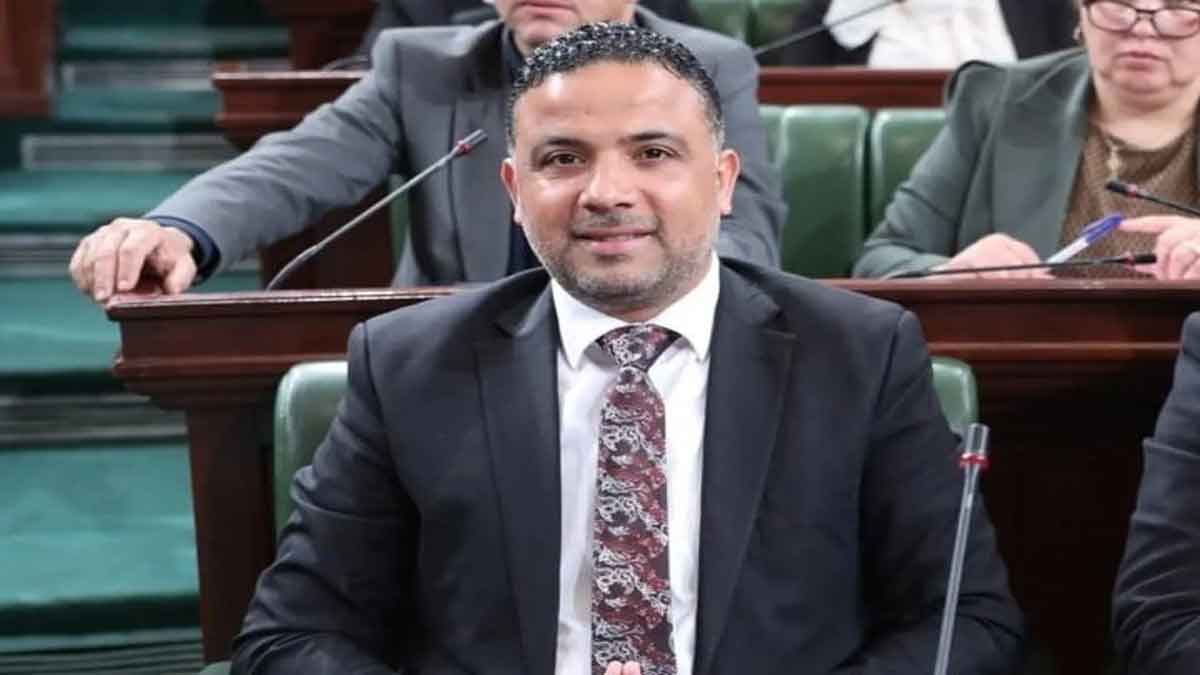
The Criminal Division of the Tunis Primary Court has sentenced lawyer and former MP Seifeddine Makhlouf to five years in prison with immediate enforcement, in connection with a case described as “conspiring against state security.” This marks the latest development in a series of prosecutions targeting political opponents and public figures, following the executive branch’s increasing consolidation of power.
This sentence follows previous rulings against Makhlouf, including a one-year prison term in 2021 related to an incident at the former Tunisian Parliament, reflecting an escalating pattern of judicial harassment.
The ruling raises serious concerns about the independence of the judiciary in Tunisia, especially with the frequent use of vague and broad charges like “conspiring against state security”, accusations often levelled at political opponents, journalists, and activists, without sufficient public evidence or clearly defined legal standards.
The combination of custodial sentences with immediate enforcement is seen by many as a tool of political repression, intended to silence dissenting voices rather than uphold justice or public order. Such practices transform the judiciary from an independent institution into an instrument of executive authority.
International human rights law, particularly the International Covenant on Civil and Political Rights, guarantees the right to a fair trial before an independent and impartial court, and prohibits the use of the judiciary to punish individuals for their peaceful political expression or activism. It also upholds the principle of legality, requiring that criminal offences be clearly defined and not used to criminalise peaceful opposition.
Imprisoning a former MP and lawyer in a politically charged case — within a broader context of deteriorating constitutional safeguards and suspended democratic institutions, is a stark indicator of the collapse of the separation of powers and the erosion of the rule of law in Tunisia.
This ruling comes amid a wider campaign of prosecutions targeting politicians from across the spectrum, confirming that the issue is not limited to individuals but reflects a systemic approach aimed at eliminating active opposition from public life. It signals a clear shift towards managing political affairs through courts and prisons, rather than through democratic and pluralistic mechanisms.
In the absence of fair trial guarantees and judicial independence, such rulings cannot be separated from the broader political context. They do not reflect genuine justice, but rather a deepening crisis that threatens what remains of rights and freedoms in Tunisia.