












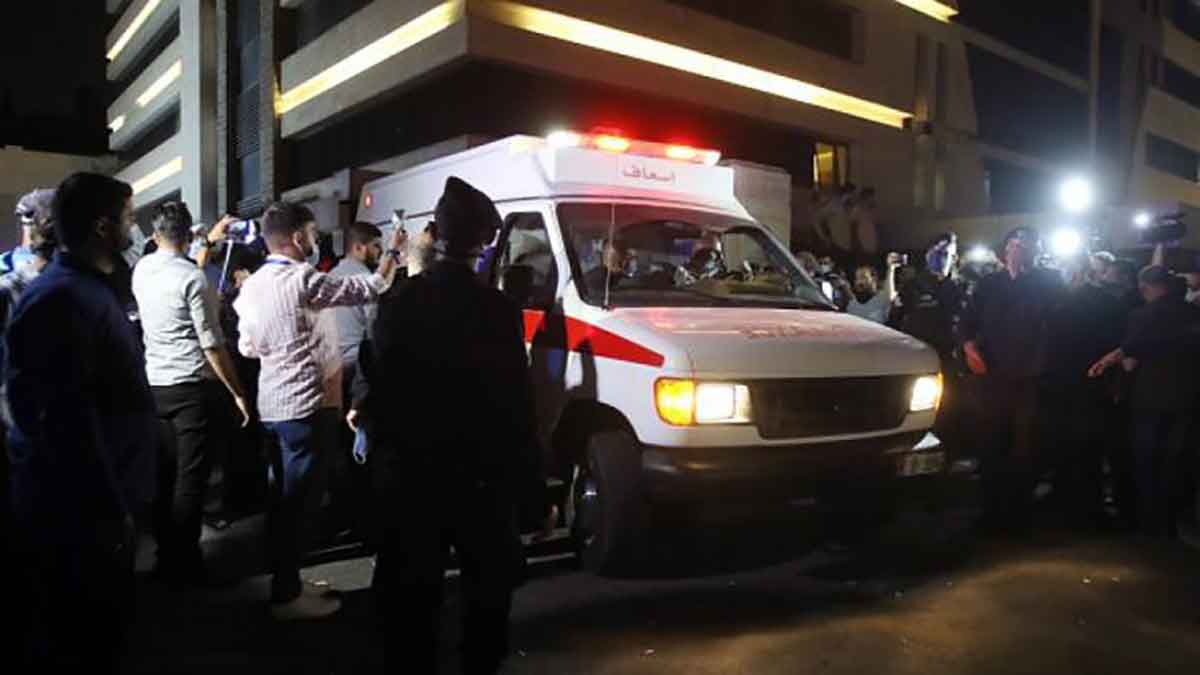
Al-Awda Hospital in the Nuseirat refugee camp, central Gaza, experienced on Thursday evening a complete power outage after fuel supplies for backup generators were fully depleted. This came amid ongoing restrictions on the entry of essential fuel, which has severely disrupted the operation of health facilities and posed an immediate threat to the lives of patients.
Medical sources inside the hospital reported that generators stopped working entirely after the final fuel reserves were consumed. This caused most departments to cease functioning and forced the hospital administration to suspend all scheduled surgical procedures across various specialisations.
According to the same sources, the hospital is now only able to offer limited medical services in the reception and emergency departments, and obstetrics and gynaecology, in a desperate attempt to maintain minimal life-saving services.
This crisis coincides with a growing number of patients, especially critical cases in intensive care and paediatric units, many of whom rely on life-sustaining medical equipment that requires continuous power. Any power disruption, therefore, poses a direct threat to their lives.
The power outage at a medical facility represents a serious violation of the right to health, a fundamental right protected under international humanitarian and human rights law. Legal provisions binding on occupying powers require them to ensure the operation of medical facilities and the unobstructed delivery of essential supplies, including fuel for hospitals.
Deliberate disruption of medical services through the prevention or restriction of fuel entry constitutes a form of collective punishment, which is prohibited under international law, and severely undermines the right to life, particularly for vulnerable groups such as children, the elderly, pregnant women, and those with chronic illnesses.
Al-Awda Hospital management has warned that the continued electricity outage risks triggering a humanitarian catastrophe, as the lives of patients requiring urgent surgery or specialised care hang in the balance with no power to support their treatment.
This situation highlights the fragility of Gaza’s healthcare system, which has long operated under exceptional circumstances and relies almost entirely on generators due to chronic electricity shortages. In such conditions, fuel provision becomes a matter of life or death.
In light of these developments, renewed warnings are being issued: the continued disruption of hospital services is not merely a humanitarian crisis, but also a blatant violation of legal obligations to protect civilians and guarantee their access to essential medical care without discrimination or obstruction.