

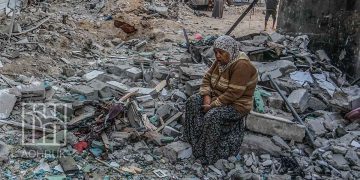






Evidence continues to mount of the deepening humanitarian catastrophe in the Gaza Strip, amid repeated United Nations warnings and on-the-ground realities that reflect the fragility of the ceasefire and the steady erosion of the most basic necessities of life, thus placing civilians, particularly children and patients, at the centre of an ever-present danger.
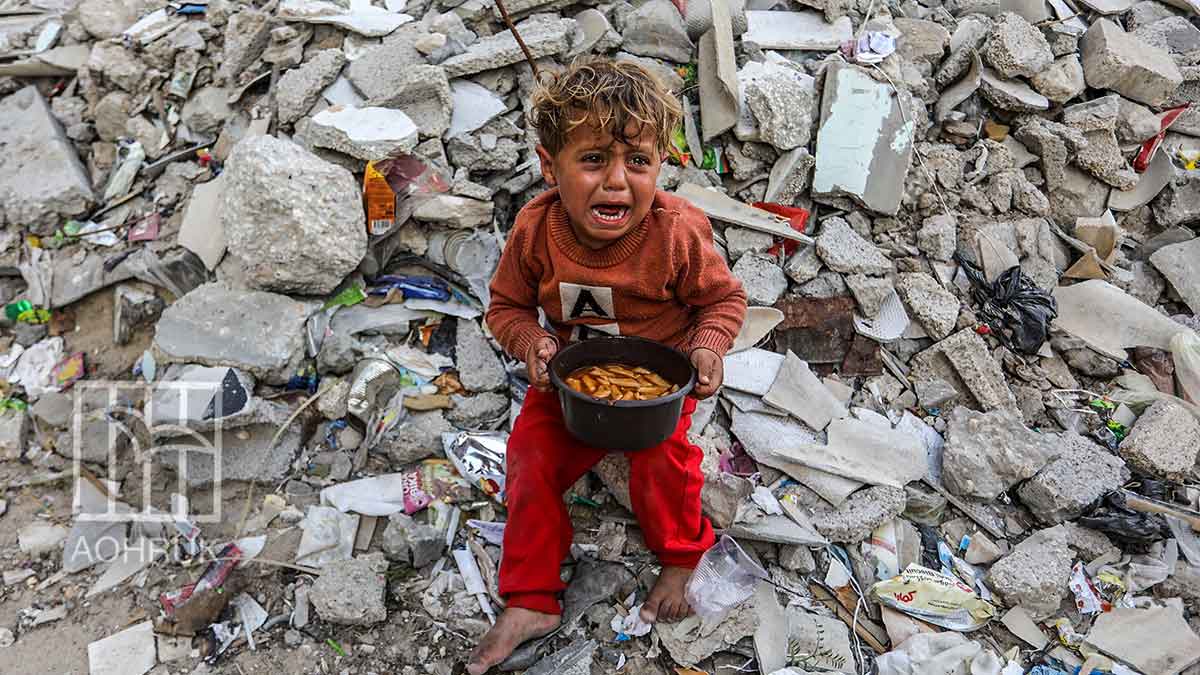
In this context, the United Nations Children’s Fund (UNICEF) issued a statement describing conditions in Gaza as “deadly” for children, warning that the humanitarian situation remains extremely precarious and threatens the lives of thousands.
The organisation affirmed that Gaza’s children are still living under the weight of airstrikes and suffering from the near-total collapse of health, water, and education systems, turning survival itself into a daily struggle.
UNICEF renewed its call for an immediate cessation of hostilities and for the opening of safe corridors to deliver life-saving assistance before it is too late.
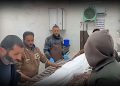
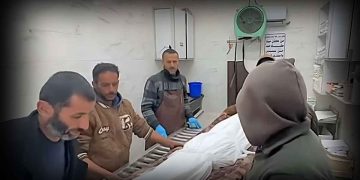
This UN warning reflects a broader picture of the disintegration of essential civilian infrastructure. Medical sources in the Strip report that thousands of patients and wounded face an unknown fate as a result of the deterioration of the health system.
According to these sources, the few remaining operational hospitals have become forced waiting stations for patients deprived of treatment, amid a severe depletion of medicines and medical supplies.
Figures indicate that 46 per cent of essential medicines, 66 per cent of medical consumables, and 84 per cent of laboratory and blood bank materials have reached zero stock, with oncology, haematology, surgery, and intensive care services topping the list of the most severely affected sectors.
The sources stress that temporary emergency measures are no longer sufficient to rescue a health system approaching total collapse.
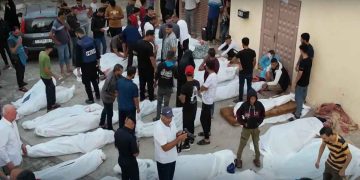
On the ground, killings and shelling have continued despite the ceasefire. A Palestinian was shot dead by Israeli forces in the Shuja‘iyya neighbourhood east of Gaza City, in an area that, under the agreement, lies outside the zone of army deployment and control, as part of what local bodies describe as daily violations of the truce.
Artillery shelling and demolitions were also reported in eastern Gaza, Jabalia, and Khan Younis, according to eyewitnesses. The Gaza Ministry of Health stated that hundreds of Palestinians have been killed and more than a thousand wounded since the agreement entered into force.
These crimes raise legal and rights-based dimensions that transcend the daily news cycle. Established rules of international humanitarian law oblige parties to armed conflicts to protect civilians, ensure the delivery of humanitarian assistance, and refrain from targeting medical facilities or obstructing their work.
Moreover, the rights to life, health, and education are fundamental and non-derogable even in times of conflict. The degradation of these sectors therefore constitutes a grave indicator of the widening gap in legal protection for civilians, especially children, who are meant to receive heightened priority in care and protection.
Between UN warnings, testimonies from medical staff, and field realities, a complex portrait emerges of a protracted humanitarian crisis, in which the effects of bombardment intersect with medicine shortages and the collapse of essential services, while prospects for recovery remain contingent on genuine adherence to a halt in hostilities and the opening of sustainable humanitarian pathways capable of restoring a minimum level of life-sustaining conditions for the civilian population.