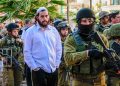

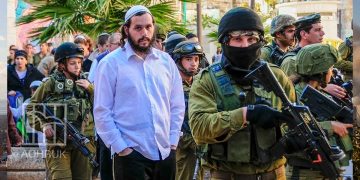









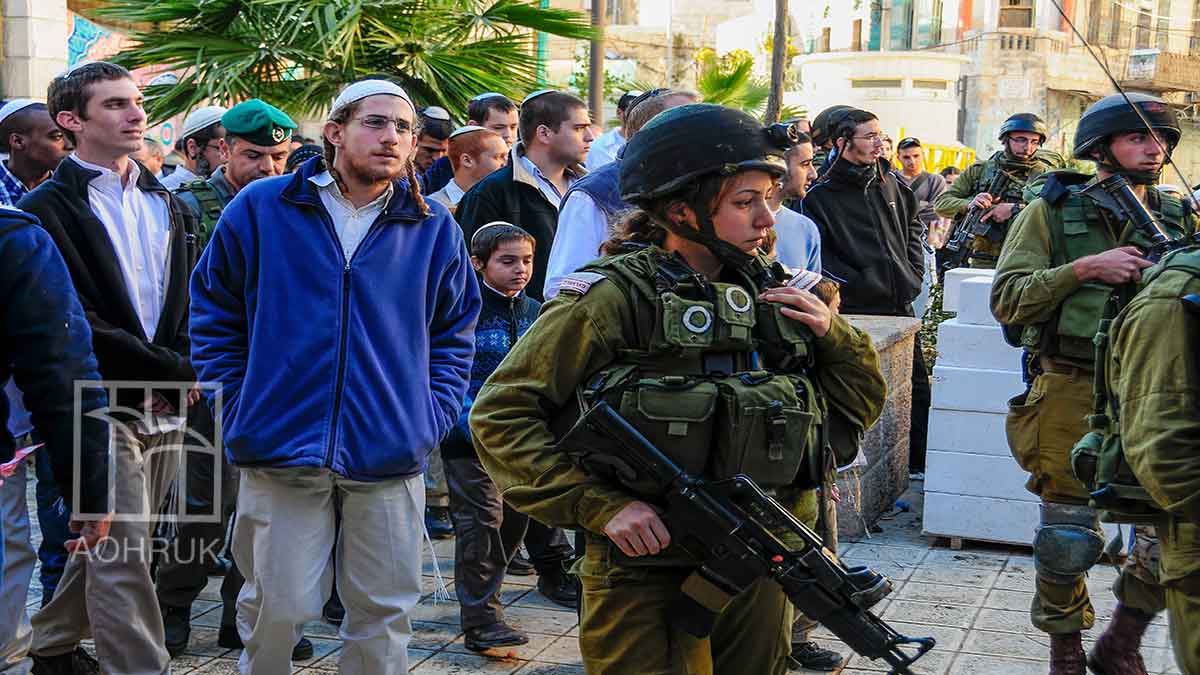
Hundreds of Israeli settlers stormed the courtyards of the Al-Aqsa Mosque in occupied Jerusalem on Thursday, on the fifth day of the so-called Hebrew “Festival of Lights” (Hanukkah), under heavy protection from occupation forces. During the incursion, settlers performed Talmudic rituals and carried out open acts of prostration within the mosque compound.
Eyewitnesses reported that 621 settlers entered Al-Aqsa in successive groups, conducted provocative tours of its courtyards, and performed what is known as the “epic prostration” openly thus constituting a flagrant violation of the historical and legal status quo at the Al-Aqsa Mosque, which guarantees the site’s exclusivity for Islamic worship and prohibits the performance of non-Islamic religious rites.
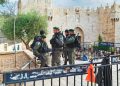
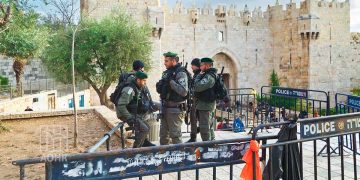
Simultaneously with the incursions, occupation forces tightened restrictions on Palestinians by limiting worshippers’ access to the mosque’s courtyards and imposing security obstacles and checkpoints at its gates. These measures prevented large numbers of Palestinians from reaching Al-Aqsa, in a direct violation of their right to freedom of worship and to practise religious rites without discrimination.
This escalation comes within the framework of a sustained policy aimed at imposing new realities inside the Al-Aqsa Mosque, through the intensification of settler incursions and the expansion of overt ritual practices carried out under official protection. Such actions constitute a grave assault on the mosque’s religious and legal status and threaten to alter its exclusively Islamic character.
Under international law, the Al-Aqsa Mosque is located in occupied territory and is afforded special protection under the Geneva Conventions, which prohibit an occupying power from violating religious sites, altering their existing status, or imposing religious practices upon them. Restricting the indigenous population’s access to their places of worship while facilitating settler incursions entrenches a clear policy of discrimination on religious and national grounds.
These repeated incursions form part of a broader approach aimed at consolidating control over occupied Jerusalem, through the militarisation of the Haram al-Sharif, the weakening of the Palestinian presence within it, and the creation of a permanent state of religious tension. The gravity of these violations is compounded by the fact that they are carried out under the direct sponsorship of occupation forces, stripping them of any claim to being “individual acts” and placing them squarely within the realm of official policy.
The continuation of this escalation, particularly during Jewish holidays, risks igniting the situation in the holy city, amid the absence of any legal accountability and the ongoing disregard for the obligations imposed on the occupying power to protect holy sites and to guarantee freedom of worship for the population living under occupation.