
















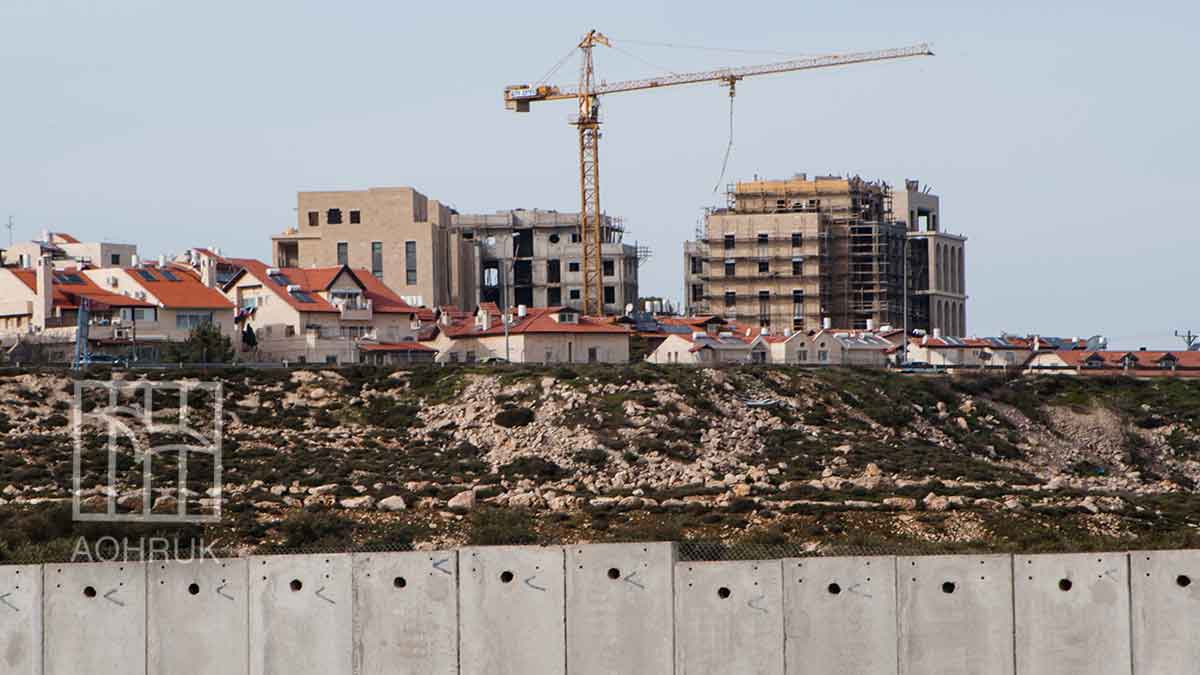
Israeli Occupation’s Finance Minister Bezalel Smotrich has issued a directive to convene the Higher Planning Council to discuss the approval of a new settlement plan comprising 126 housing units in the settlement of Sanur, located in the Jenin Governorate of the northern occupied West Bank. Notably, this settlement had been evacuated in 2005 as part of the Israeli occupation’s disengagement plan.
According to publicly available details, the scheme is not limited to housing units but also includes commercial zones, new roads, and designated areas for kindergartens and schools, signalling an effort to entrench a permanent and comprehensive settler presence in the area.
This move forms part of an ongoing pattern of illegal settlement expansion across the occupied Palestinian territories, in blatant contravention of international humanitarian law, specifically, the Fourth Geneva Convention, which prohibits an occupying power from transferring parts of its civilian population into the territory it occupies. It also violates the established principle that land must not be acquired by force.
The reinstatement of a previously dismantled settlement marks a dangerous precedent, undermining past political commitments and reducing prospects for a negotiated resolution based on ending the occupation. It also imposes new facts on the ground absent any legitimate diplomatic process.
From a humanitarian perspective, the decision is expected to further tighten restrictions on Palestinians in the Jenin area through land confiscations, limitations on freedom of movement, and disruption to livelihoods, particularly in agricultural zones surrounding the settlement. Expansion of settler infrastructure is also typically accompanied by heightened security measures, which severely impact the daily lives of Palestinian residents.
This announcement comes amid a marked escalation in settlement policies, reflecting official Israeli occupation government objectives to intensify control over the West Bank. It entrenches a system of legal inequality between Israeli settlers and Palestinian residents under occupation.
In conclusion, this directive represents a further step along a path of deepening legal and human rights deterioration in the occupied Palestinian territories. It exacerbates injustice and poses major challenges to the protection of human rights, peace, and stability in the region.