
















Israeli occupation forces (IOF) continue to demolish Palestinian homes and structures in occupied Jerusalem and Bethlehem Governorate. On Wednesday, they demolished an industrial facility in the town of Anata, east of Jerusalem, and compelled a Palestinian citizen to self-demolish his residential flat in the village of al-Walaja, northwest of Bethlehem.
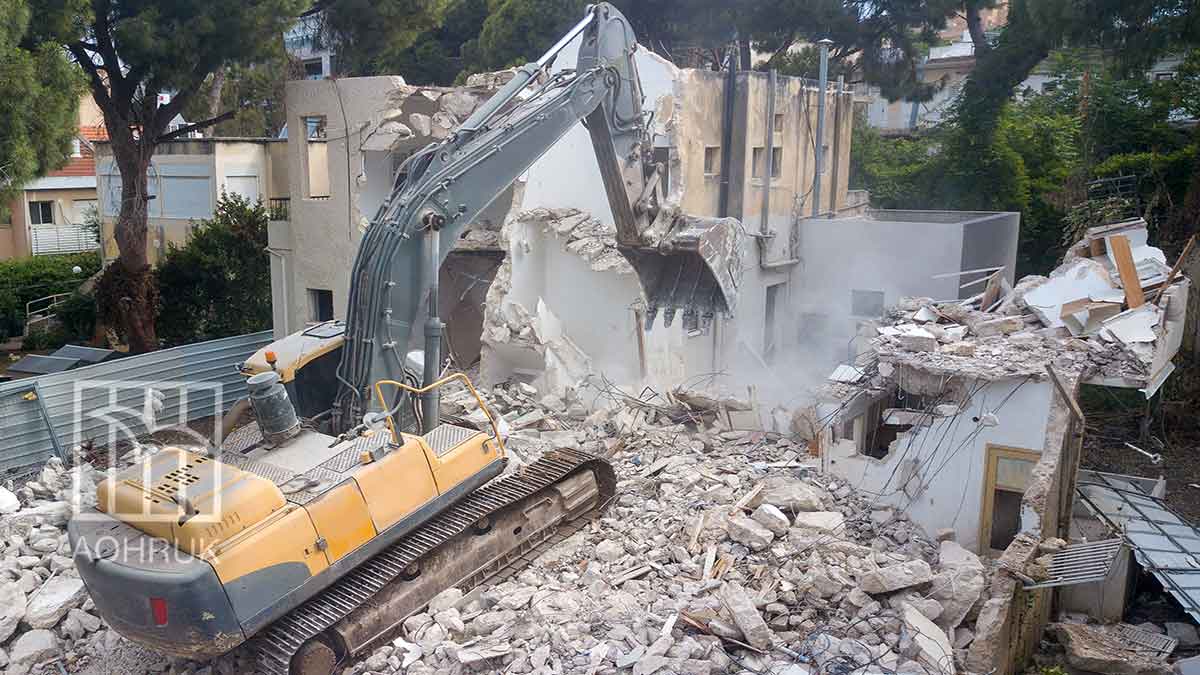
In Anata, IOF bulldozers razed an iron factory located at the town’s entrance after forces stormed the premises accompanied by military vehicles, forcibly evacuated its contents, and then proceeded with complete demolition.
The factory was considered a modern industrial facility, built at a cost of several million shekels. It provided a source of income for multiple Palestinian families, and its destruction is a direct blow to the local economy and livelihoods. During the raid, one citizen was injured by a tear gas canister in the leg as IOF used violence to secure the demolition process.
Meanwhile, in al-Walaja, IOF forced Palestinian resident Mohammed Saeed al-Araj to self-demolish his residential flat under threat of a heavy fine if he failed to comply.
Khader al-Araj, head of the village council, explained that the flat was on the second floor of a family-owned building, spanning around 120 square metres in the Sumei’ neighbourhood of Ain Jweiza. It was targeted under the pretext of lacking a building permit.
He noted that al-Walaja, particularly the Ain Jweiza area, has seen a sharp increase in demolition orders, as part of a broader strategy to displace Palestinian residents and reshape the demographic landscape in favour of colonial expansion.
Forced demolitions of homes and economic establishments constitute a violation of the right to housing and work, both of which are fundamental rights protected under the International Covenant on Economic, Social and Cultural Rights.
International humanitarian law, particularly the Fourth Geneva Convention, also prohibits the destruction of property belonging to protected persons under occupation, except where rendered absolutely necessary by military operations, conditions not met in these demolition cases.
The policy of coercing Palestinians to demolish their own homes amounts to psychological and financial coercion. It forces individuals to destroy their own property under duress, undermining their dignity and amounting to unlawful collective punishment.
Moreover, restrictions on granting building permits to Palestinians serve as a legal façade but functionally lead to indirect forced displacement.
With no meaningful protection in place, there are growing fears that the wave of demolitions will escalate in the coming period, threatening hundreds of Palestinian families with the loss of their homes and livelihoods, and placing a heightened legal and moral responsibility on the international community.