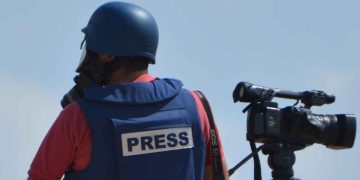



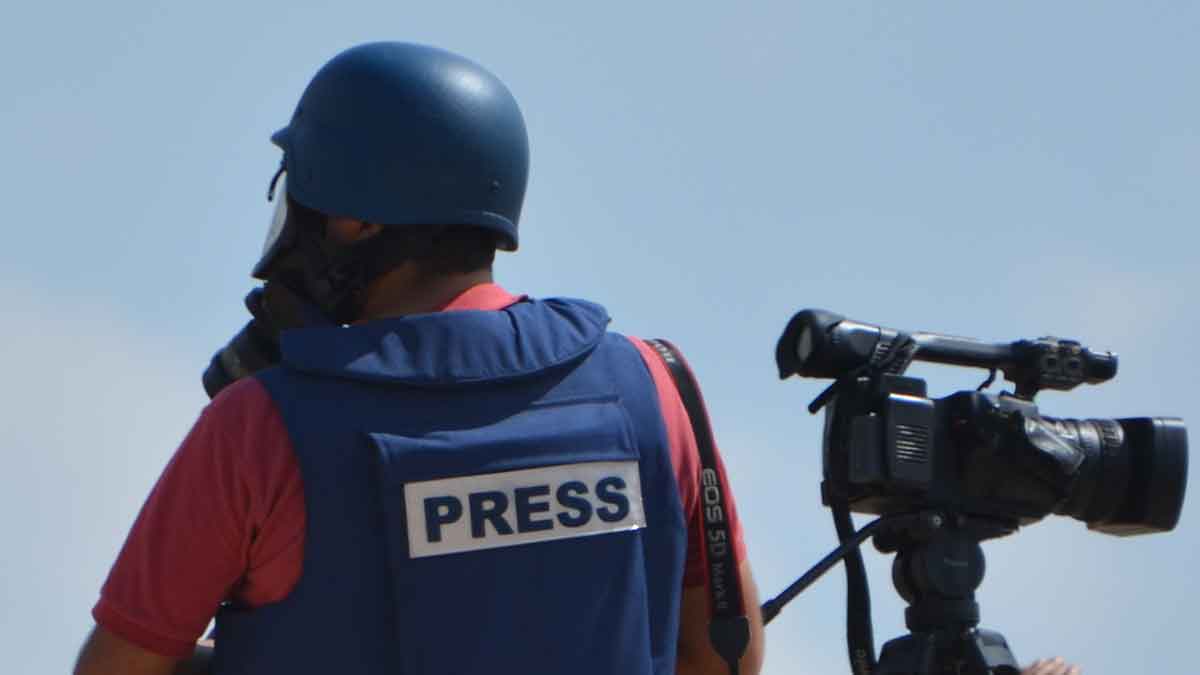
The targeting of Palestinian journalists with arrests and restrictions has continued since the beginning of 2026, within the context of a broader policy to restrict journalistic work in the Palestinian territories, according to recent data documented by the Committee for Freedoms at the Palestinian Journalists Syndicate.
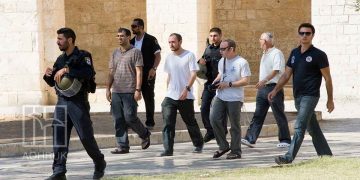
The committee documented 22 cases of arrests of Palestinian journalists since the beginning of this year, including four female journalists. These arrests took place in various ways, including raids on journalists’ homes, arrests at military checkpoints, and arrests while journalists were covering events in the field.
The figures show a clear escalation in the pace of arrests during the first months of the year. January saw 13 arrests, followed by February with 7, while March has seen 2 arrests so far.
The data indicates that a number of the detained journalists have been subjected to what is known as administrative detention, a procedure that allows for the detention of individuals for extended periods without formal charges or trial.
Several journalists have been issued administrative detention orders ranging from four to six months, raising concerns among human rights organizations that this measure is being used to restrict journalistic work and prevent field reporting.
The committee also documented the arrest of four Palestinian female journalists since the beginning of the year: Inas Khalawi, Bushra al-Taweel, photojournalist Nisreen Salem, and journalist Nawal Hijazi.
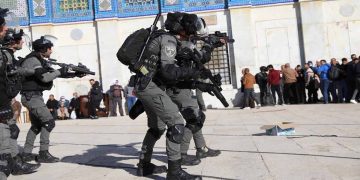
According to the data, some of their arrests were accompanied by hefty fines or restrictive measures such as house arrest, bans from entering the Al-Aqsa Mosque compound, or restrictions on their use of social media.
The Committee for Freedoms documented a series of violations that accompanied the arrests, including raids on journalists’ homes, destruction of furniture, tampering with personal belongings, confiscation of phones and journalistic equipment, and the imposition of exorbitant fines.
Cases of journalists being arrested while documenting settler attacks or covering settlement projects in the West Bank were also recorded, in what is seen as an attempt to prevent the transmission of information from the field.
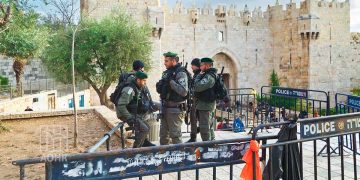
The arrests were distributed across several Palestinian governorates, most notably Jerusalem, Ramallah and al-Bireh, Hebron, Tulkarm, Nablus, and Jenin, in addition to arrests that took place at military checkpoints scattered between Palestinian cities.
From the perspective of international law, freedom of the press and freedom of expression are fundamental rights guaranteed under international human rights law. The International Covenant on Civil and Political Rights guarantees the right to freedom of expression and to receive and impart information without interference, including journalistic work.
International standards for the protection of journalists in conflict zones also affirm that journalists are civilians entitled to protection unless they directly participate in hostilities, which imposes a legal obligation not to target them because of their journalistic work.
Administrative detention without charge or trial raises broad legal issues, as it contradicts the principle of a fair trial and the right to know the charges against the detainee, rights enshrined in international conventions.
In the context of military occupation; International humanitarian law, including the Geneva Conventions, mandates the protection of civilians and respect for their fundamental rights, which includes journalists carrying out their work of reporting and documenting events.
The repeated arrests of journalists while on the ground or documenting settler attacks reflect a pattern interpreted as an attempt to restrict the flow of information from the Palestinian territories.
Despite the escalating risks and restrictions, Palestinian journalists continue to work in the field, striving to document events and violations and report them to the public, in what is considered one of the most dangerous working environments for journalists in the world.