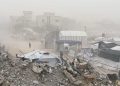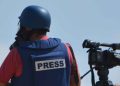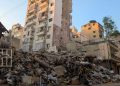


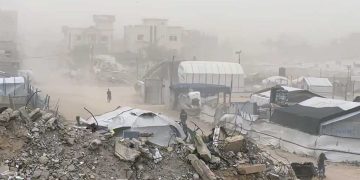
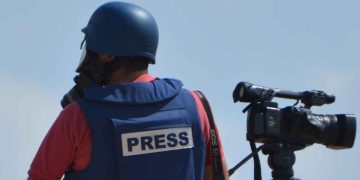
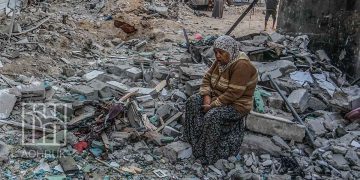





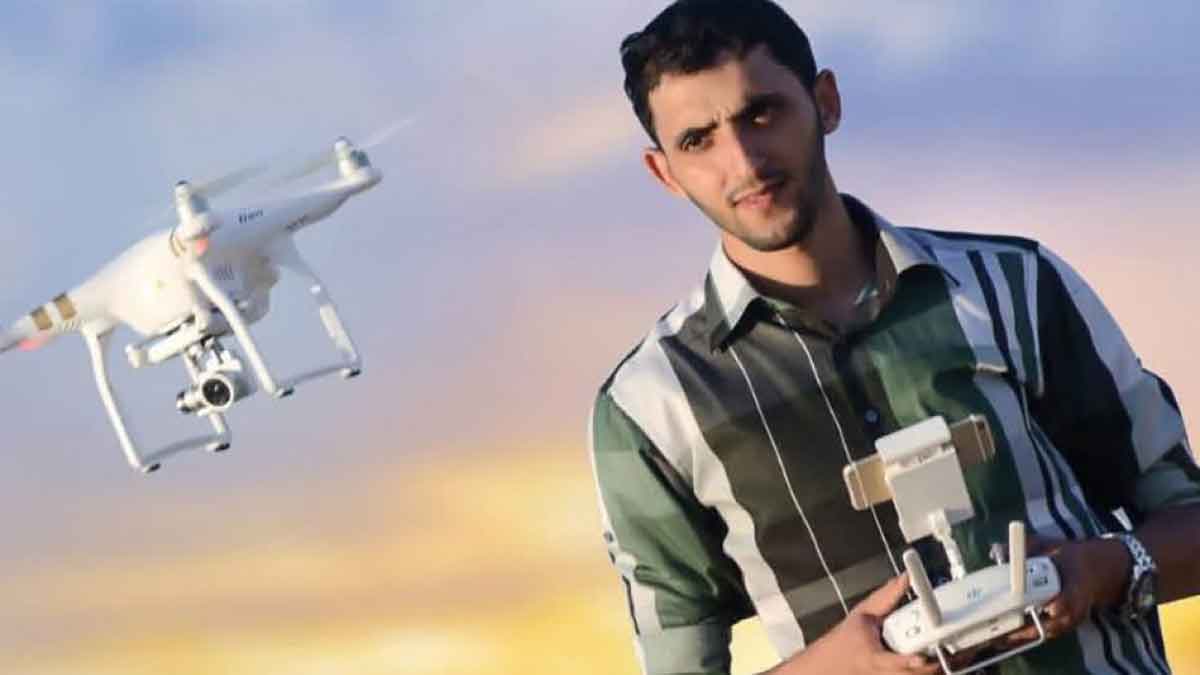
A Palestinian photojournalist was killed on Tuesday while documenting the vast destruction in Khan Younis, in southern Gaza, after he was struck by a bomb fired from an Israeli drone.
Mahmoud Wadi had been recording the devastation left by Israel’s ongoing assault in districts across central Gaza when he was directly targeted, killing him instantly.
Wadi is the second journalist to be killed since the start of the temporary ceasefire, following the death of Mohammed al-Munirawi last month, whose tent was hit in a direct strike.
The targeting of journalists in conflict zones constitutes a grave breach of international humanitarian law, which explicitly guarantees the protection of media workers as long as they are not participating in hostilities.
Deliberately attacking civilians, including journalists, may amount to war crimes under international legal principles that require all parties to take every feasible measure to avoid harming civilians and to ensure the safety of press crews.
These recurring incidents underscore the extreme dangers faced by journalists in Gaza, who are compelled to work in conditions devoid of even the most basic protections, where lethal force is used with no regard for the neutrality that journalists are meant to be afforded.
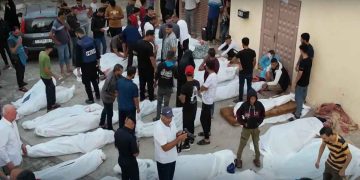
According to official Palestinian figures, the number of journalists killed since 7 October 2023 has risen to 258 men and women, due to bombardment and direct targeting by Israeli forces, making this one of the deadliest periods for journalists anywhere in the world in recent decades.
The situation comes amid growing fears over the shrinking space for free and independent reporting, and the mounting restrictions on the ability to document abuses and convey the truth, posing yet another threat to human rights, justice, and accountability.