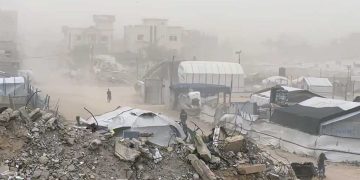
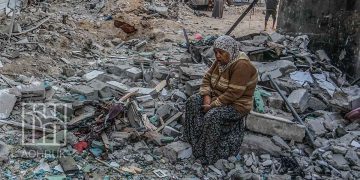






Israeli occupation continues its aggression against Palestinians in both the occupied West Bank and the Gaza Strip, while the international community remains limited to expressions of condemnation without offering real assistance to save the victims.
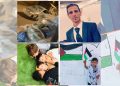
A young Palestinian man was shot dead by Israeli occupation forces late last night near the separation and expansion wall south of Qalqilya city.
According to eyewitnesses, Israeli occupation soldiers fired live ammunition at a man in his twenties near the village of Ras Tira, adjacent to the wall, as he attempted to enter the 1948 territories for work. He sustained critical injuries.
Red Crescent teams received the injured man at the eastern checkpoint of Qalqilya and transferred him to the government hospital, where doctors later pronounced him dead.
In Gaza, on Tuesday, 19-year-old Ahmad Mohammed Ahmad Abdel Aal was shot and killed by Israeli occupation forces outside their deployment zone in the Maslakh area south of Khan Younis, in the southern part of the Strip.
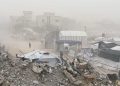
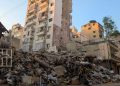
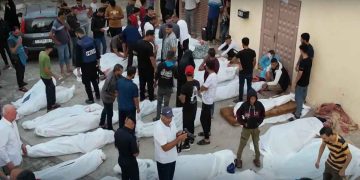
Meanwhile, the United Nations condemned the killing of civilians in Israeli airstrikes over the weekend on the Gaza Strip, as efforts to stabilise a ceasefire continue.
The spokesperson for the UN Secretary-General expressed concern over civilian casualties in these attacks, emphasising the importance of adherence to international humanitarian law, particularly the principles of distinction and proportionality in military operations.
Figures from the Palestinian Ministry of Health indicate that the total number of victims from Israel’s aggression on Gaza since 7 October 2023 has reached 71,800 dead and 171,555 injured. Since the announcement of the ceasefire on 11 October, there have been 526 additional deaths, 1,447 injuries, and 717 bodies recovered from various areas across the Strip.
These numbers highlight the scale of human loss and the accompanying challenges regarding victims’ rights, justice, accountability, and reparations. They also point to mounting pressure on the already overwhelmed healthcare and humanitarian infrastructure.