









Israeli occupation authorities have continued to close Al-Aqsa Mosque in occupied Jerusalem, preventing worshippers from accessing the site for the seventeenth consecutive day.
For the first time since 1967, worshippers have been barred from performing prayers and observing religious retreat (iʿtikaf) inside the mosque. As a result, worshippers were absent from the final Friday prayers of the holy month of Ramadan.
The Jerusalem Governorate has warned of a dangerous escalation in incitement against Al-Aqsa Mosque by extremist groups known as the “Temple organisations”, amid the ongoing closure measures.
Officials stressed that the measures cannot be considered temporary security restrictions, as claimed by Israeli occupation authorities, but rather form part of a broader political and ideological agenda aimed at altering the historical, religious, and legal status quo at the mosque compound.
Israeli occupation authorities have justified the closure by citing “military instructions” that prohibit gatherings of more than 50 people during what they describe as wartime conditions, linking the reopening of the mosque to the lifting of these directives.
During the closure, the call to prayer and limited prayers continue to be conducted inside the mosque by a small number of guards, caretakers, and staff from the Islamic Waqf Department in Jerusalem.
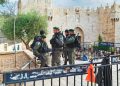
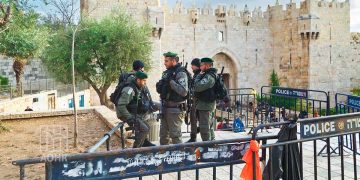
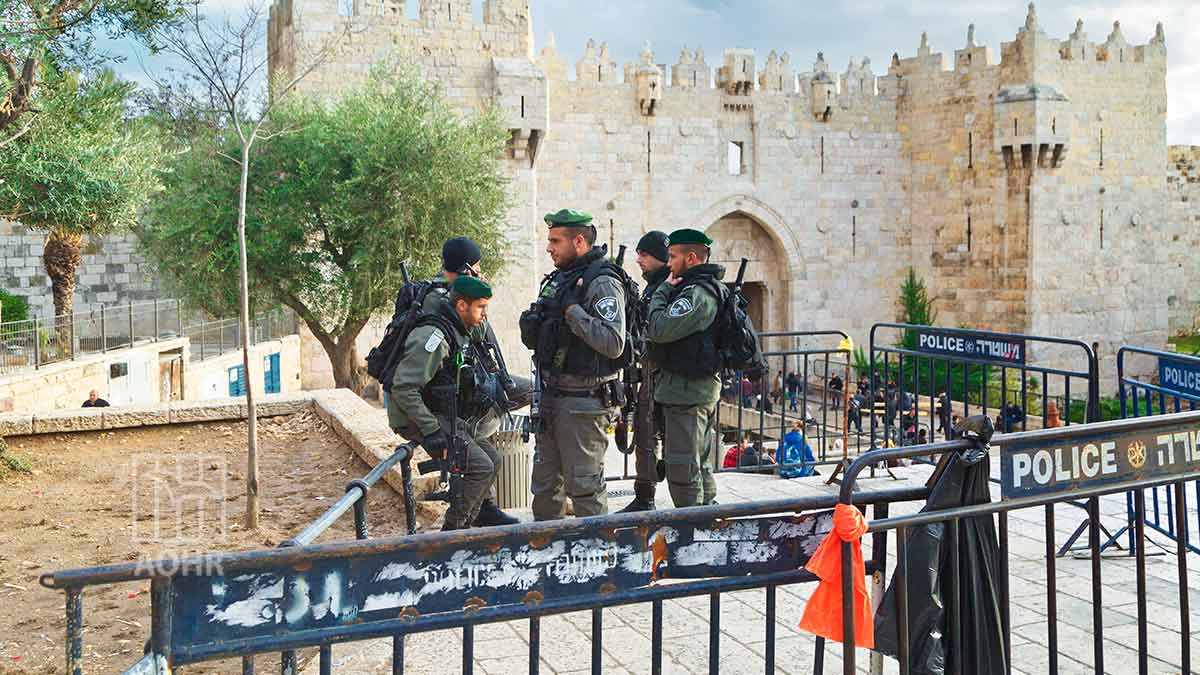
Meanwhile, Palestinians have attempted to protest the closure by performing prayers at the entrances to Jerusalem’s Old City, near Al-Aqsa Mosque. However, they have repeatedly faced intervention by Israeli occupation forces, who disperse the gatherings and prevent them from assembling.
The closure of Al-Aqsa Mosque and the prevention of access to it constitute a clear violation of freedom of worship as protected under international law. International legal instruments, including the International Covenant on Civil and Political Rights, guarantee individuals the right to practise their religion and access places of worship without arbitrary restrictions.
The broad limitations imposed on entry to Al-Aqsa Mosque affect one of the most significant expressions of Palestinian religious life, particularly during Ramadan. Such measures amount to collective restrictions on freedom of worship that lack proportionate justification or genuine security necessity under international law.
Under international humanitarian law, an occupying power bears responsibility for protecting religious sites in occupied territories and ensuring civilians’ access to them. The Geneva Conventions also prohibit measures that interfere with the religious life of populations living under occupation.
Closing a central religious site such as Al-Aqsa Mosque during a major religious season, and for a prolonged period, represents a direct infringement on Palestinians’ religious and cultural rights, as well as a collective measure affecting the population as a whole.