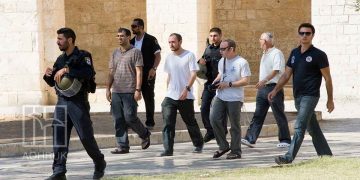








Israeli occupation authorities have continued to close Al-Aqsa Mosque in occupied Jerusalem for the fourth and final Friday of Ramadan, a move that deprives hundreds of thousands of Palestinians of the ability to pray at one of Islam’s holiest sites during the most sacred days of the holy month.
Since 28 February, Israeli occupation authorities have imposed an almost complete closure on the mosque, citing emergency measures linked to the ongoing war with Iran. Worshippers have been prevented from entering its courtyards, including during Taraweeh prayers, Friday prayers, and the final ten nights of Ramadan, which traditionally witness large numbers of worshippers.
So far, Israeli occupation authorities have not allowed the mosque to reopen for the last Friday of Ramadan, despite the fact that this period usually sees hundreds of thousands of Muslims attending prayers and spiritual retreat at the site.
Authorities have justified the closure by referring to what they describe as “military instructions” banning gatherings of more than 50 people during wartime conditions, linking any reopening of the mosque to the lifting of those directives.
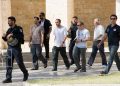
Under the ongoing restrictions, the call to prayer and limited prayers continue to take place inside Al-Aqsa Mosque with only a small number of participants, including mosque guards, custodians, and employees of the Islamic Waqf Department in Jerusalem.
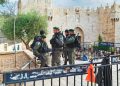
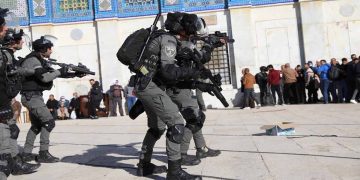
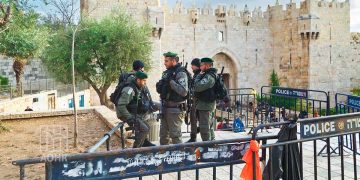
Meanwhile, Palestinians have attempted to protest the closure by praying near the gates of Jerusalem’s Old City, close to Al-Aqsa Mosque. However, they have faced repeated assaults by Israeli occupation forces seeking to disperse the gatherings and prevent them from assembling.
The closure of Al-Aqsa Mosque and the restrictions on access to it constitute a clear violation of freedom of worship under international law. International conventions, including the International Covenant on Civil and Political Rights, guarantee individuals the right to practise their religion and access places of worship without arbitrary restrictions.
The extensive limitations imposed on entry to the mosque affect one of the most significant aspects of Palestinians’ religious life, particularly during Ramadan. Such collective restrictions on freedom of worship lack proportional justification or genuine security necessity under international legal standards.
Under international humanitarian law, an occupying power bears responsibility for protecting religious sites in occupied territories and ensuring that civilian populations can access them. The Geneva Conventions prohibit measures that interfere with the religious life of people living under occupation.
Closing a central religious site such as Al-Aqsa Mosque during a major religious season and for an extended period represents a direct infringement on the religious and cultural rights of Palestinians and constitutes a collective measure affecting the population at large.