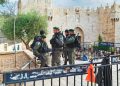
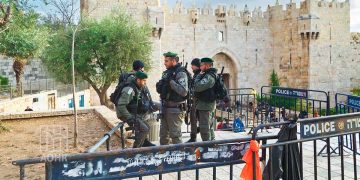











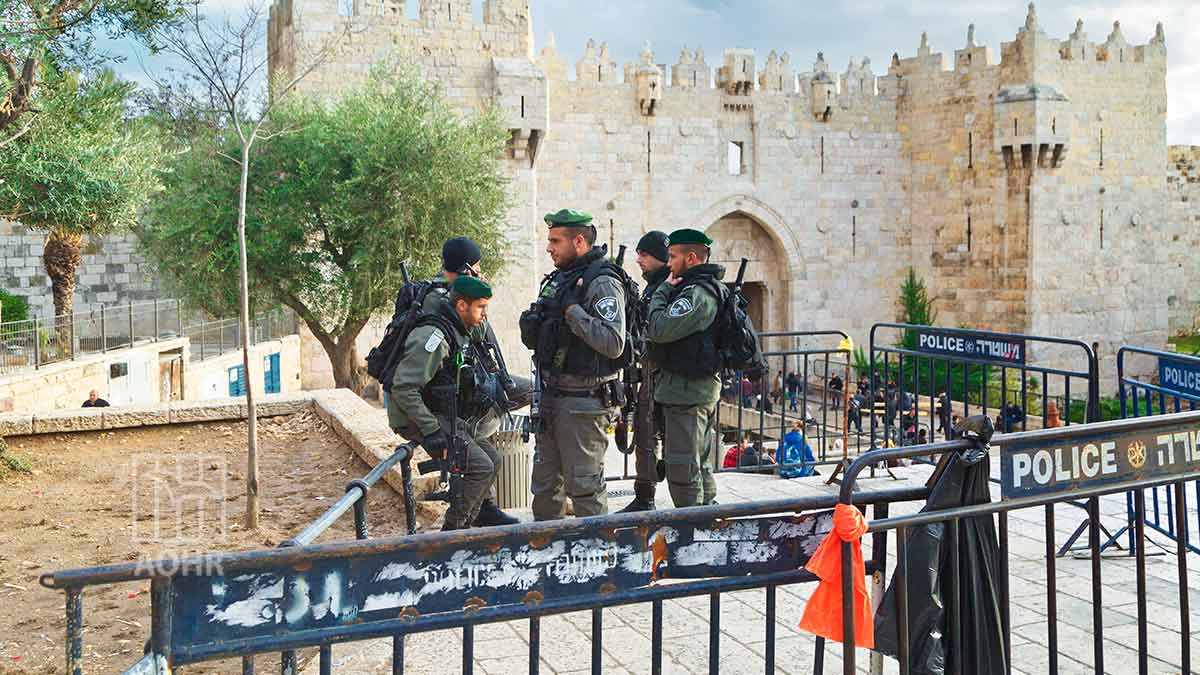
Israeli occupation forces have continued to close Al-Aqsa Mosque for the 11th consecutive day, preventing worshippers from entering the site or performing prayers, citing security conditions linked to the ongoing war with Iran.
The closure comes at a particularly sensitive time, coinciding with the final ten days of the holy month of Ramadan,a period during which tens of thousands of worshippers traditionally gather at Al-Aqsa to perform the Tarawih and Qiyam prayers and to observe i‘tikaf (spiritual retreat).
The continued closure during these days represents an unprecedented measure. For the first time since the Israeli occupation of Jerusalem in 1967, both Tarawih prayers and i‘tikaf have been prevented inside Al-Aqsa Mosque, depriving Palestinians and Muslims of practising their religious rites at one of their holiest sites.
Meanwhile, the Jerusalem Governorate has warned of a dangerous escalation in incitement campaigns led by extremist “Temple” organisations against Al-Aqsa Mosque, coinciding with the ongoing strict closure measures imposed by Israeli occupation forces.
The governorate stressed that these actions cannot be viewed as temporary security measures, as Israeli occupation authorities claim. Rather, they form part of a broader political and ideological effort aimed at altering the religious, historical, and legal status quo at the blessed Al-Aqsa Mosque.
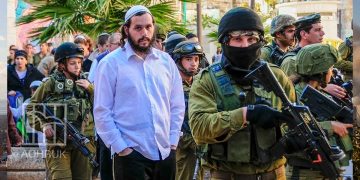
These measures have raised widespread concerns that the current security situation is being exploited to impose new realities on the ground at the mosque, particularly in light of repeated calls by settler groups to intensify incursions and impose Jewish religious rituals within its courtyards.
Under international law, East Jerusalem, including Al-Aqsa Mosque, is recognised as occupied territory. As such, the occupying power is obligated to protect holy sites, guarantee freedom of worship, and preserve the existing status quo.
Preventing worshippers from accessing their places of worship and closing them for extended periods constitutes a violation of the right to freedom of religion, as protected under international human rights instruments, including the International Covenant on Civil and Political Rights, which guarantees individuals and communities the right to practise their religious rituals without arbitrary restrictions.
International humanitarian law also requires the protection and respect of religious sites in occupied territories and prohibits measures that alter their character or obstruct their use by the occupied population.
The continued closure of Al-Aqsa Mosque, particularly during Ramadan, represents a serious infringement on Palestinians’ religious rights and reflects a further escalation in policies aimed at restricting Palestinian religious and social presence in occupied Jerusalem.