




Israeli occupation authorities have intensified restrictive measures against Palestinian residents of Jerusalem, worshippers, and journalists in the occupied city, as part of an ongoing escalation that violates fundamental rights protected under international law and human rights conventions.
Authorities issued six-month bans preventing three Jerusalem residents from accessing Al-Aqsa Mosque, including Imad Khalil Abisan Al-Abbasi, activist Khadija Khweis, and former prisoner Dujana Aton, who had previously faced repeated weekly summons before the final order was imposed.
These measures are part of a broader policy aimed at limiting access to Al-Aqsa and restricting freedom of movement and religious practice. Such actions constitute a clear violation of the right to freedom of worship, as guaranteed under international frameworks including Article 18 of the Universal Declaration of Human Rights and the Geneva Conventions, which prohibit interference in the religious life of occupied populations.
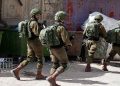
In the same context, the Palestinian Journalists Syndicate condemned Israeli occupation forces for assaults on both Palestinian and foreign journalists while they were carrying out their professional duties. A CNN correspondent suffered a broken arm, while the head of Xinhua’s bureau and a photographer from Anadolu Agency were temporarily detained. Journalistic equipment was also destroyed, and memory cards were confiscated, in what appears to be a deliberate effort to restrict press freedom and obstruct documentation of violations.
These actions represent a serious breach of journalists’ rights under international law, including protections enshrined in the UN Charter, the Universal Declaration of Human Rights, and legal frameworks safeguarding media workers in conflict zones.
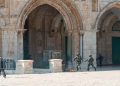
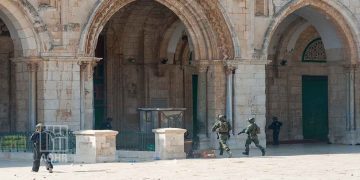
Meanwhile, Israeli occupation authorities have continued to close Al-Aqsa Mosque for the nineteenth consecutive day, preventing worshippers from accessing the site, citing security conditions linked to the ongoing US-Israeli war involving Iran.
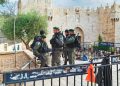
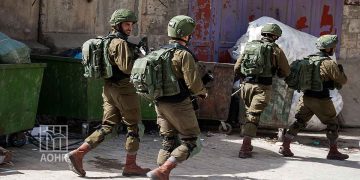
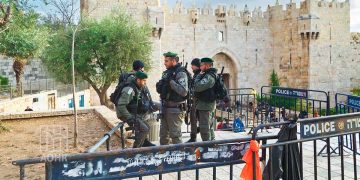
Restrictions have also been tightened across Jerusalem neighborhoods, with authorities banning Taraweeh prayers in several areas and forcing residents away from the Old City gates in an apparent attempt to disperse gatherings and prevent collective worship. These measures directly violate the right to freely practice religion and undermine Israeli occupation’s obligations under international humanitarian law, particularly the Geneva Conventions regarding civilian protection in occupied territories.
These developments reflect a pattern of systematic repression targeting Palestinians in Jerusalem, including violations of freedom of movement, religion, and the press, underscoring the urgent need for international intervention to ensure accountability and protect civilians and journalists alike.