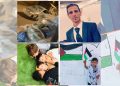







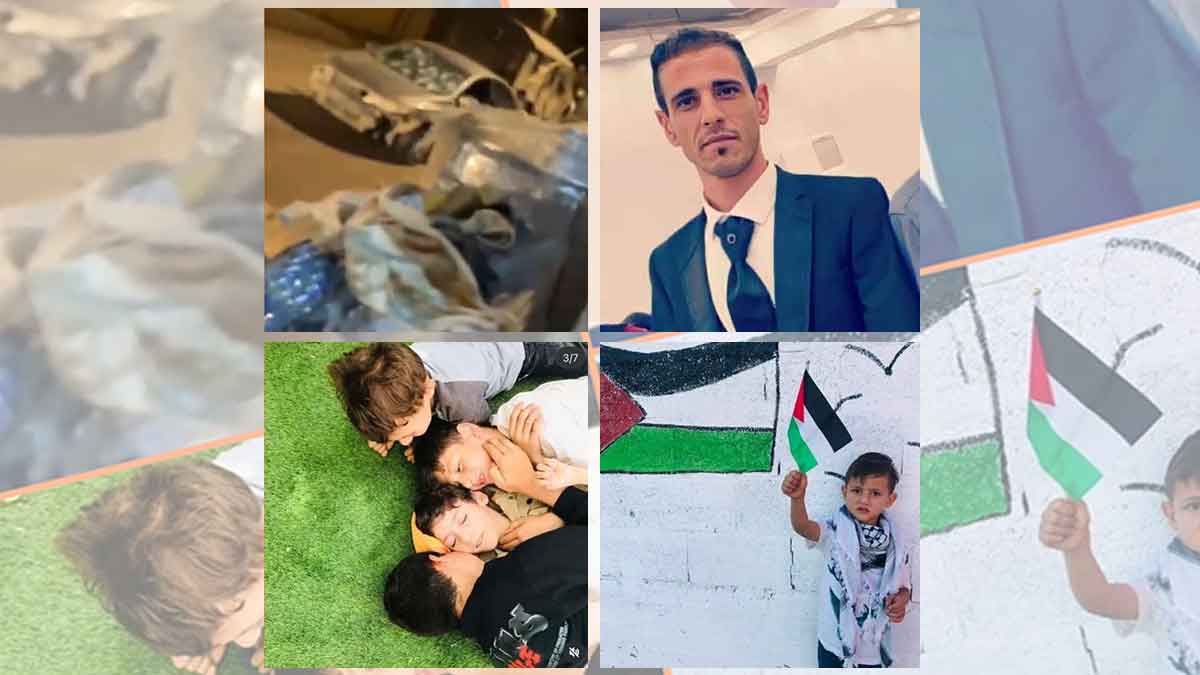
A Palestinian man, his wife, and two of their children were killed by Israeli occupation gunfire early Sunday in the town of Tamoun, south of Tubas in the northern West Bank, while their two other children were injured by bullet fragments to the head and face.
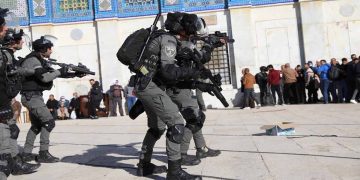
According to available details, Israeli special forces infiltrated the town, followed by military reinforcements arriving from the Ein Shibli and Tayasir checkpoints. Occupation forces opened fire on a civilian vehicle carrying the family, resulting in the killing of Ali Khaled Sayel Bani Odeh (37), his wife Waad Othman Aql Bani Odeh (35), and their two children Mohammad (5) and Othman (7). Their other children, Mustafa (8) and Khaled (11), sustained minor injuries from bullet fragments.
The Palestine Red Crescent Society reported that Israeli forces initially prevented its medical teams from reaching the victims inside the vehicle and forced them to leave the area. The crews were later able to retrieve the bodies of the four victims and evacuate the two injured children.
This attack violates several fundamental principles of international humanitarian law and international human rights law. International conventions, including the Fourth Geneva Convention of 1949, prohibit the targeting of civilians and impose a clear obligation on the occupying power to protect the civilian population in occupied territories.
Opening fire on a civilian vehicle and obstructing ambulance teams from reaching the wounded constitutes a direct violation of the principles of humanitarian protection and the right to life.
Targeting children or causing them direct harm also constitutes a violation of the Convention on the Rights of the Child, which obliges states to take all necessary measures to protect children from violence and abuse. International law further prohibits collective punishment or practices that target individuals on the basis of family or community affiliation.
This incident comes amid a growing escalation of attacks against civilians in the West Bank, exposing them to grave risks and further complicating prospects for justice and accountability, particularly in the context of continued international silence.